Ask a room full of marketers when they first made a video call home and the answers sound oddly alike: the same pause, the same nervous laugh, the same detail about who spoke first. The memory feels individual, but it is not. It is a shared memory, built around a network moment that many people entered at roughly the same time.
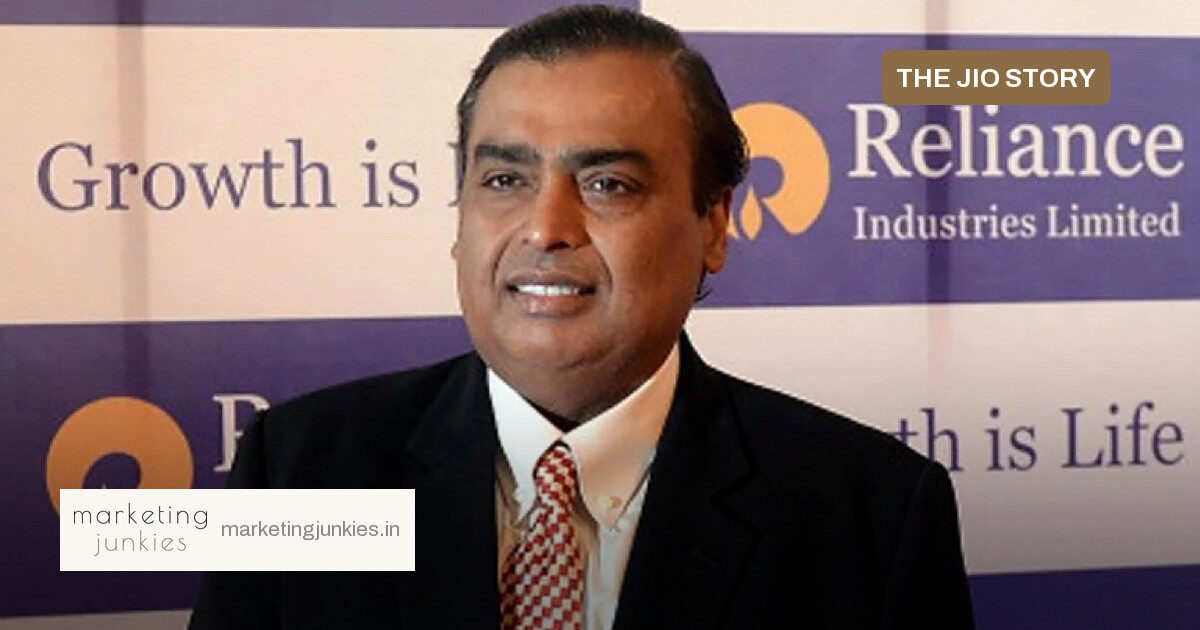
In 2016 Jio launched with the Welcome Offer: unlimited 4G data, voice, video and apps (Reliance Industries). That access turned a rare, rationed act into an everyday one. Jio reached 100 million subscribers within 170 days of launch (company-reported; Reliance Industries Integrated Annual Report 2016-17). The speed mattered less for marketing than the synchrony: millions of first calls happened close enough together to become a cultural reference point, not just a personal one.
The memory is personal, but the script is shared
The ‘my first video call home’ story usually has the same beats: a parent peering at the screen, a voice saying “can you see me?”, a camera pointed at the floor or ceiling. These are not just quirks of a new interface. They are the raw material of collective nostalgia: small, repeatable moments that people can compare, retell and recognise.
Because so many people crossed the threshold together, the memory became a social object. People could bond over where they were, who they called and what went wrong, without first explaining why the moment mattered.
- The moment is personal enough to feel owned.
- The pattern is common enough to feel shared.
- The change is big enough to feel like a before-and-after.
Why brands build on shared memories
Shared memories do something a feature list cannot. They let a brand live inside a person’s own story without being the main character. The brand is the setting: the connection that was suddenly there. That is a durable position because people defend their memories, even when the details blur.
Jio now serves 524 million+ customers (Reliance Jio Infocomm, March 2026; company-reported). Its ecosystem spans connectivity, entertainment, commerce, payments, devices, cloud and AI (Reliance Industries 48th AGM, August 2025). But the early shared memory remains useful because it anchors that scale to an ordinary human ritual.
What marketers can learn
Brands do not need to manufacture a memory to borrow one. The stronger move is to notice a moment that is already repeating and give people language, images and rituals to share it.
The question India asked moved from ‘How much does data cost?’ to ‘What can we do with data?’ The brands that endure tend to show up in the second question, where the answer is not a plan but a memory.