Every generation has a line it repeats until it becomes ordinary: “Beta, can you see me?” Not long ago, that sentence belonged to a cyber café or a special occasion. By 2016, it had moved into village courtyards and hostel corridors. India’s data decade did not start only with a network launch. It started with a shared moment—a face on a screen, a festival call, a group around one phone.
For marketing teams, those shared moments are more than sentiment. They are a media behaviour. Local voices, group viewing and regional content became the unwritten brief for a connected India.
The call home became a routine
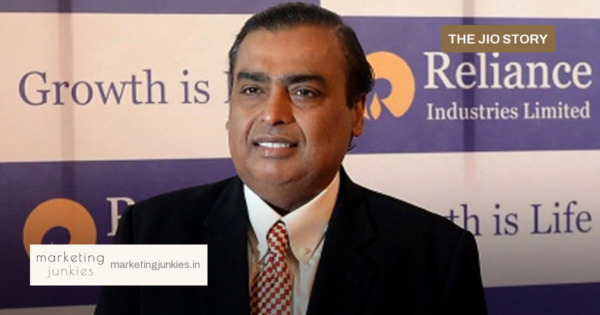
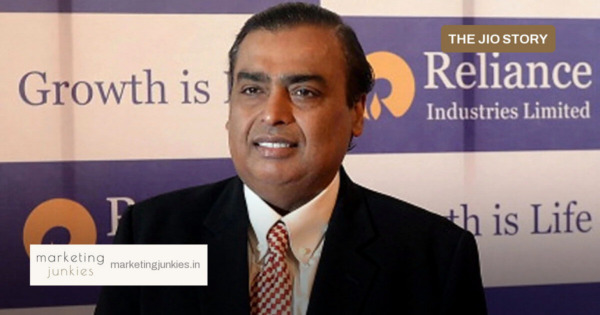
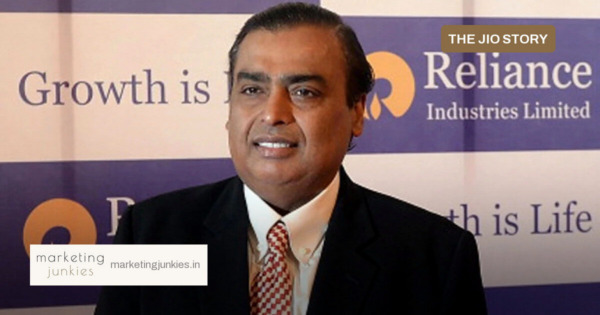
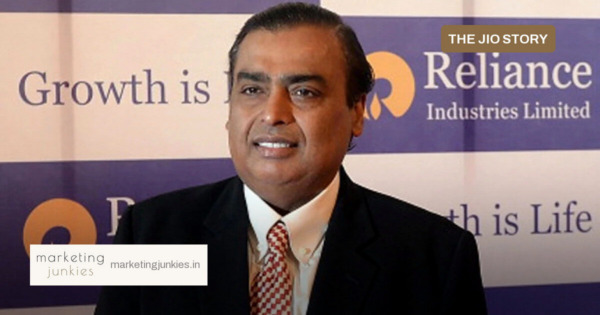
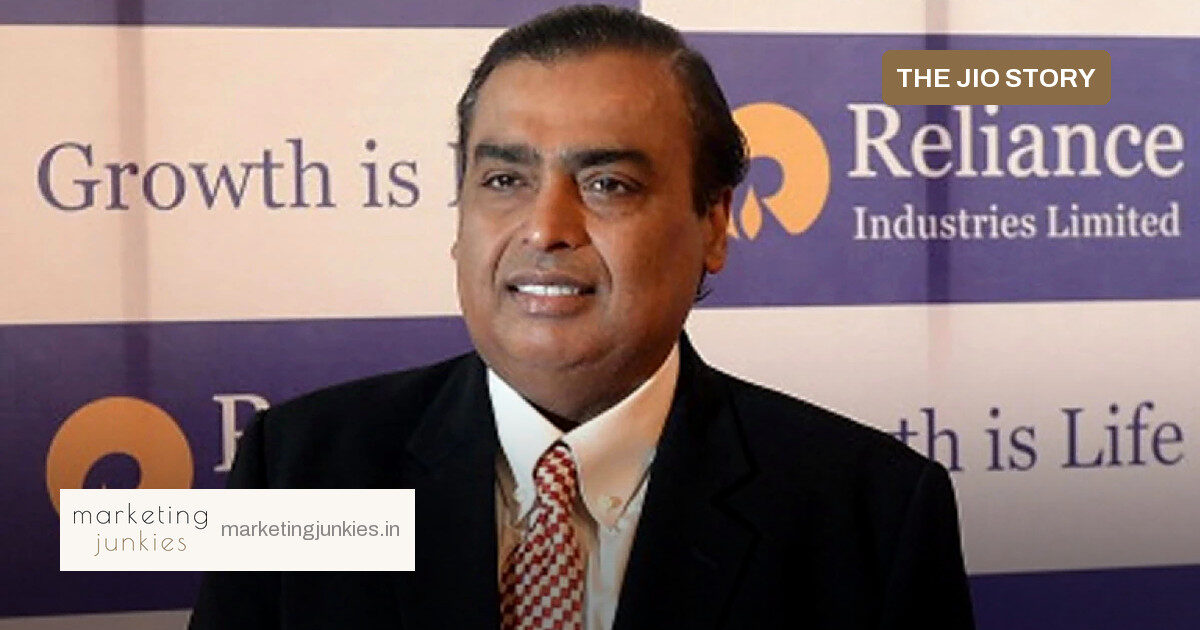
In 2016 Jio launched with the Welcome Offer: unlimited 4G data, voice, video and apps, according to Reliance Industries. The company reported reaching 100 million subscribers within 170 days of launch in Reliance Industries’ Integrated Annual Report 2016-17. Behind that number was a simpler change: a village-to-city video call stopped being an event and became a Tuesday.
The same arc now runs through the moments India shares most. A grandmother lights a diya on a screen. A student’s hostel Wi-Fi becomes the common room. A regional creator builds an audience in a language mainstream campaigns once ignored. These are not separate stories; they are one local-voice layer.
Hostel Wi-Fi culture and group screens
The shared screen has its own etiquette. One device, many viewers: the friend who holds the phone, the one who controls the volume, the one who says “rewind.” Hostel rooms, tea stalls and festival gatherings turned a personal device into a small theatre. For marketers, reach is often not one-to-one. It is one-to-a-room.
Three shared-moment patterns recur across India:
- Anchor moments: festivals, finales, matches and family calls concentrate attention in one place.
- Local voice: regional creators translate formats into familiar language and gesture.
- Borrowed screens: a reel or ad may be seen first on someone else’s device before it is sought out.
Regional creators and the festival feed
What used to be a niche is now the main stage. A creator from a small town can hold a daily audience with regional humour, recipes, dance or news. Their work spreads through festivals, weddings and family groups. The local voice is not a translation of a metro campaign; it is the campaign.
This is where the marketing lens matters. A brand that listens to regional creators is not chasing a trend. It is buying into the way trust already moves: through people, not placements.
From data cost to data craft
The question India asked moved from “How much does data cost?” to “What can we do with data?” That shift is now the planning line. It changes what a campaign can be: a live class call, a shopkeeper’s AI assistant, a creator’s festival edit, a parent’s map back home. It also raises the bar: attention is earned in moments, not impressions.
Jio’s ecosystem today spans connectivity, entertainment, commerce, payments, devices, cloud and AI, as set out at Reliance Industries’ 48th AGM in August 2025. The stated priorities are to connect every Indian, bring digital services home, digitise businesses, and pursue “AI Everywhere for Everyone.” Reliance Jio Infocomm reported 524 million+ customers in March 2026. For marketing teams, that means the next decade’s assets are not only media buys; they are useful daily moments.
What the next brief sounds like
The next campaign will not be written in one language and dubbed later. It will be briefed in many local voices, designed for group screens, and placed inside moments people already share. The brands that win will treat the festival feed, the hostel common room and the family video call as real media environments.
That does not require a bigger budget. It requires a different ear: less declaration, more listening; less reach for reach’s sake, more relevance in the room where the phone is passed around.