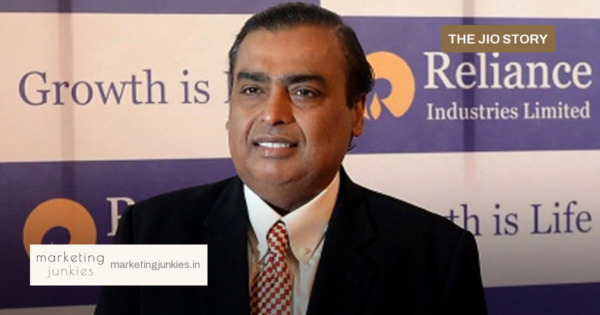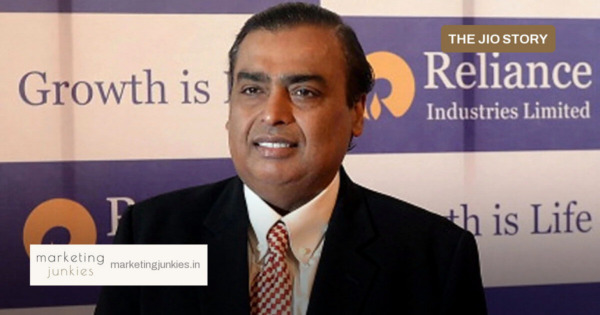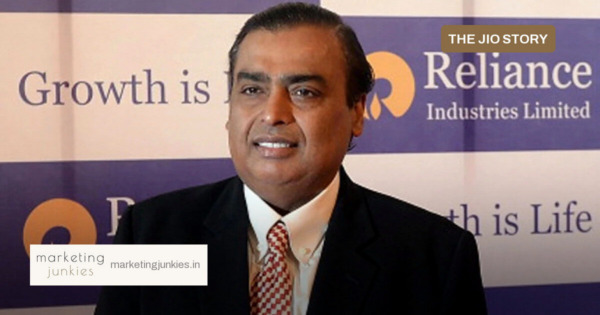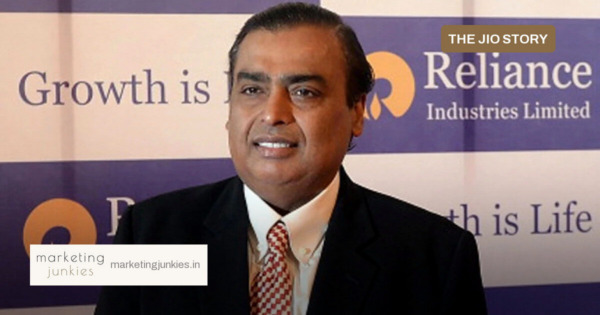
When Jio opened its network in 2016 with the Welcome Offer—unlimited 4G data, voice, video and apps, as Reliance Industries described it—the marketing lesson wasn’t really about a tariff. It was about what happens when you remove the meter from a daily habit.
The result arrived fast. Jio reached 100 million subscribers within 170 days of launch, a company-reported figure cited in the Reliance Industries Integrated Annual Report 2016-17. For marketers watching India’s internet, that speed changed the reference point for what mass adoption could look like.
The offer nobody had to explain
Most launch campaigns have to explain a product. This one had to explain an absence: no more counting megabytes, no more separate decisions for voice, video and apps. That absence created a behaviour change before most people had formally made a switch.
The question India asked moved from “How much does data cost?” to “What can we do with data?” Brands that understood that shift stopped writing connectivity as an expense line and started treating it as a creative surface.
What marketers took from the reset
The Welcome Offer is still studied because it compressed a long adoption curve into months. The takeaway wasn’t “give things away.” It was that the offer should match the behaviour you want to create.
- Remove the meter before you ask for commitment. Let the product’s daily utility do the selling.
- Sell the behaviour, not the tariff. Video calls, streaming, group chats and local content became the pitch.
- Design for shared experience. One connection carried a household, a friend group or a chai stall, so acquisition spread socially.
It also reset the customer’s mental default. Once data felt always-on, a phone stopped being a device used in bursts and became a continuous companion. Marketing that assumed scarcity began to feel out of step.
The arc after the meter disappeared
The same instinct shows up in the decade after. Jio now serves 524 million+ customers, according to Reliance Jio Infocomm’s March 2026 company-reported figure, and the ecosystem spans connectivity, entertainment, commerce, payments, devices, cloud and AI, as outlined at the Reliance Industries 48th AGM in August 2025.
Its stated priorities—connect every Indian, bring digital services home, digitise businesses, and “AI Everywhere for Everyone”—read like the next layer of the same logic. The first question was connectivity. The next is what to do with it.
The durable brief
For marketing teams, the 2016 launch remains a case in demand design. The offer made the customer’s daily life the message. It didn’t lead with the network; it led with what a normal person could suddenly do.
The shift also changed media planning. When data stopped being scarce, video and regional language formats became daily behaviour, not occasional indulgences. A marketer’s job moved from buying attention to being present in the moments that attention gathered.
That’s the durable brief: make the product disappear into a habit, then let the habit carry the story.