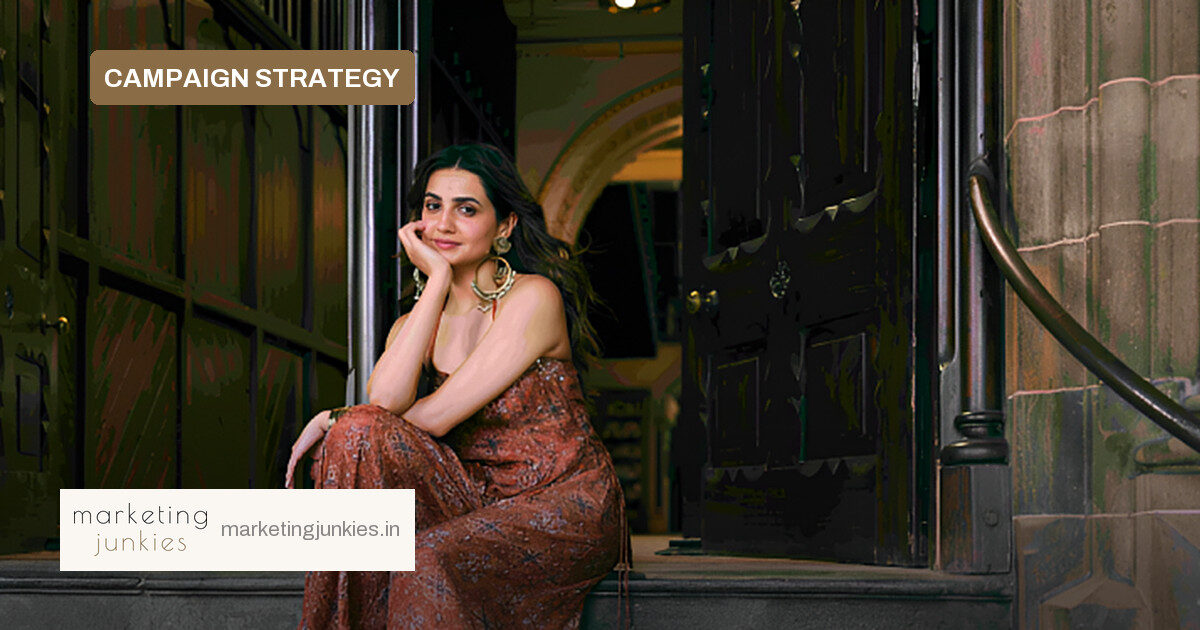
Global Desi is giving its festive occasion-wear push a hometown hook. The contemporary Indian fashion label has signed Vedika Pinto as the face of its Festive ’26 campaign, titled Love, Bombay, and built the narrative around her real connection with the city.
The campaign, announced on 13 October, follows Pinto through Bombay’s streets and “unexpected corners” as the city shifts into festive mode. Rather than presenting a polished studio shoot, Love, Bombay leans into the city’s colourful, chaotic and cosmopolitan identity. The brand says the idea is to capture the people, places and everyday moments that make Bombay feel like home—and to show festive dressing as personal and expressive rather than stiff.
What the collection brings
At the centre of the campaign is Global Desi’s Festive ’26 range. The line leans on statement silhouettes, vibrant prints and Indian-inspired detailing, aimed at celebrations and special occasions. The pitch is occasion wear with a contemporary slant: pieces women can style their own way, not just dress up in.
Founder and designer Anita Dongre framed it as a familiar-and-unexpected balance. “With our Festive ’26 collection, we wanted to explore occasion dressing in a way that feels relevant to how women dress today — expressive, versatile and personal,” she said. On the ambassador choice, she added: “Vedika embodies that sense of curiosity and spontaneity beautifully, bringing a wonderful freshness to the campaign.”
Why a city-led brief works
For marketers, the campaign is a compact example of place-led storytelling. Instead of leading with the product, Global Desi leads with a place and a person who belongs to it, then lets the clothes appear inside that world. It’s a device fashion and lifestyle brands use to make festive collections feel less catalogue-like and more lived-in.
- Ambassador alignment: Pinto’s own Bombay anecdotes give the campaign credibility rather than a celebrity who is merely attached.
- Imperfection as aesthetic: Pinto said the team didn’t have to make the film “too perfect or staged,” which can make festive wear feel more accessible.
- City as co-star: Bombay’s contrasts and multicultural texture do narrative work that a set cannot.
Pinto herself summed up the tone: “I think Bombay is one of those cities where you can start your day with a plan and somehow end up somewhere completely unexpected and that’s the fun of it.” That unscripted spirit is the campaign’s message as much as the clothes are.
What marketers can take away
The takeaway is not simply to hire an ambassador. It’s to anchor the brief in a geography or subculture your audience can recognise, then choose a face whose story already fits. For fashion brands, festive-season clutter is heavy; a specific place can create a sharper memory structure than another generic celebration ad.
For Global Desi, the test will be whether Love, Bombay moves occasion-wear sales and strengthens the brand’s Bombay-rooted identity beyond the campaign window. If it works, expect more city-first festive storytelling from Indian fashion labels.
Source: MediaNews4U