Why Divo changed its advice
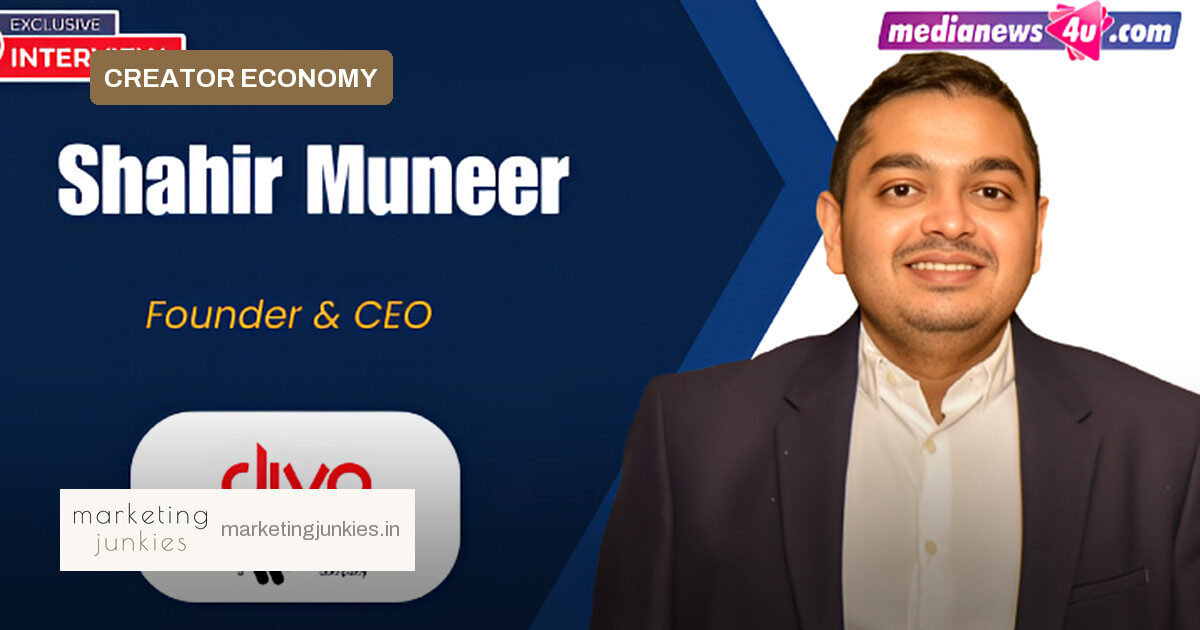
Shahir Muneer, founder and CEO of Divo, is telling creators and publishers to retain direct control over their Meta and Facebook Content Monetization payout accounts. The guidance follows Divo’s experience monetising content on Facebook since 2018-19 and recent payout situations the company says it could not resolve.
The core problem is transferability. When a page’s payout is connected to a third-party agency, distributor or partner, changing it later can be extremely difficult. Muneer says there is no effective self-service transfer option or accessible escalation route today. The AI-led payout support Divo has accessed has not offered a workable solution, and owning a page or its content does not mean you can readily change the payout relationship attached to it.
“Sometimes the best way a partner can support a creator is by helping them own the relationship themselves.”
That line, from Muneer, sums up the new stance: agencies can manage strategy, publishing and operations without holding the money.
The support picture adds pressure. Muneer says payout support in India is largely AI-led, and reaching a human contact is increasingly difficult. Conversations with Divo’s global offices suggest a similar pattern in the UK and US.
What a payout trap costs
Muneer points to a large Indian media company with a Facebook page following in the millions. Its payout relationship was attached to a previous agency. When Divo began working with the company, there was no workable route to transfer the payout, so the business started a new page with its own payout account and stopped publishing on the old one. Divo says its strategy support improved revenue compared with the previous setup, but the reset meant leaving behind years of audience development.
He does not call the unpaid amounts permanent losses. Significant accumulated earnings continue to appear on the platform while corresponding payments have not come through, he says, without naming amounts or businesses. For affected companies, the immediate pain is cash-flow planning: money is visible but inaccessible, and clear explanations are hard to get.
What creators and publishers should do
- Keep the Meta payout account in the creator’s or publisher’s own name from day one.
- Separate content management, strategy and monetisation support from payment ownership.
- Audit existing pages now and flag any payout linked to an inactive third party.
- Treat Facebook as supplementary income and diversify beyond one platform.
Divo has changed its own onboarding to match. For new clients, the default is that the creator or publisher establishes and controls the payout account; Divo manages the monetisation operation. For existing clients, the company explains the limitations and works toward direct payout ownership without promising a transfer timeline it cannot control.
The warning extends beyond creators. Muneer says freelancers, managers and new aggregators who collect payments on behalf of clients can become the party clients hold responsible when platform payments stop, despite having limited control over resolution.
Still worth monetising on Meta
Muneer is not advising creators to leave Facebook. If you create original content without depending on public-domain or third-party licensed material, Meta can remain a useful additional revenue stream. But he says the approach should be commercially realistic: retain direct control of payouts, understand the support limitations, and avoid building an entire livelihood around one platform. For much of Divo’s non-music business, Facebook is a supplementary source rather than a replacement for YouTube.