Every marketer learns that memory is personal. What makes a data reset feel different is when a private moment becomes a shared recollection: my first video call home, her hostel Wi-Fi, our festival stream.
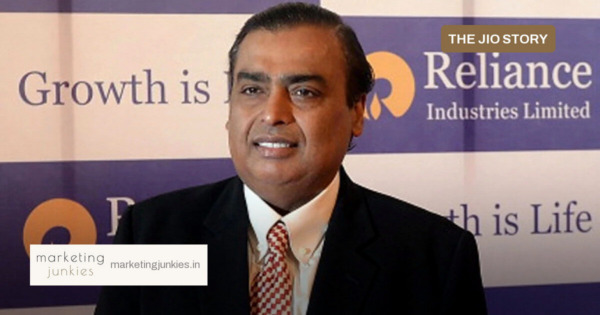
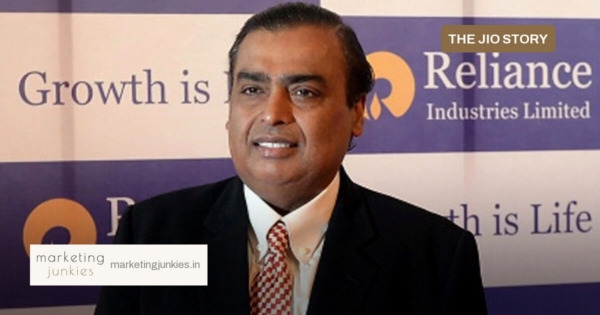
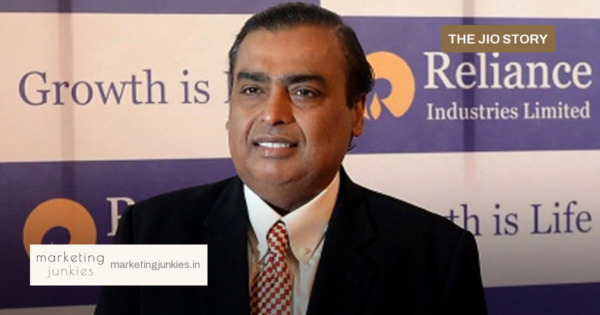
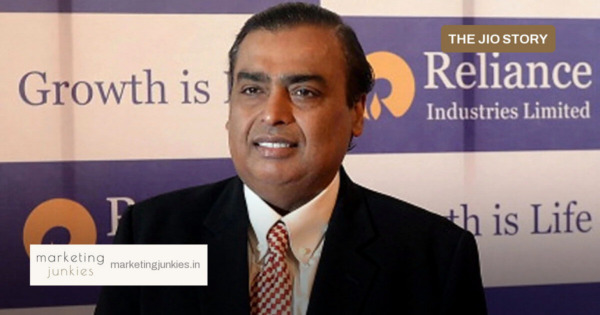
In 2016, Jio launched with the Welcome Offer: unlimited 4G data, voice, video and apps, as Reliance Industries described it. The offer was a commercial detail. The shared memory it created is psychological.
The first call became a group memory
A first video call home is intimate: a parent seeing a child’s face, a sibling laughing at a bad connection. But when millions of people experience the same kind of first call around the same time, it stops being only personal. It becomes a reference point: I remember where I was when the data meter stopped mattering.
The scale arrived quickly. Jio reached 100 million subscribers within 170 days of launch, a company-reported figure in Reliance Industries’ integrated annual report for 2016-17. By March 2026, Jio serves 524 million+ customers, a company-reported figure from Reliance Jio Infocomm. Those numbers describe reach; they do not explain feeling.
This is collective nostalgia, a form of shared memory built around everyday life rather than a historic event. It does not need a slogan or a campaign. It runs on recognition.
Why shared memories work for brands
- They lower explanation: one person’s memory fills in the context for another.
- They make a brand part of ordinary life instead of a claim about it.
- They turn customers into carriers of the story, without being asked.
The shift in questions is the tell. India’s data conversation moved from ‘How much does data cost?’ to ‘What can we do with data?’ That is a cultural change, not just a pricing change.
Brands build on shared memories because memory is sticky, but only when the memory is collective. A person remembers a product offer. A group remembers what the product let them do.
The quiet brand asset
Jio’s ecosystem today spans connectivity, entertainment, commerce, payments, devices, cloud and AI, according to Reliance Industries’ 48th AGM in August 2025. Its stated priorities include connecting every Indian, bringing digital services home, digitising businesses, and what it describes as AI Everywhere for Everyone.
None of that is the memory. The memory is smaller: a grandmother’s first video call, a shopkeeper’s first digital ledger, a student’s first online class. The infrastructure is the reason; the shared moment is the meaning.
For marketers, that is the useful distinction. You can brief a campaign around a platform, but a memory is something people already own. The brand that stays close to that memory, without overstating it, inherits the nostalgia instead of renting attention.
That may be why the memory keeps working years later. The offer ended, the infrastructure grew, and the first call stayed ordinary enough to feel like everyone’s.