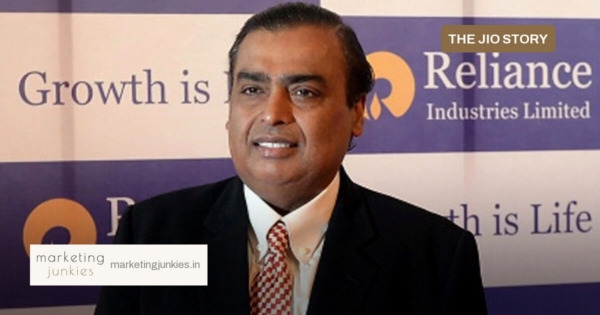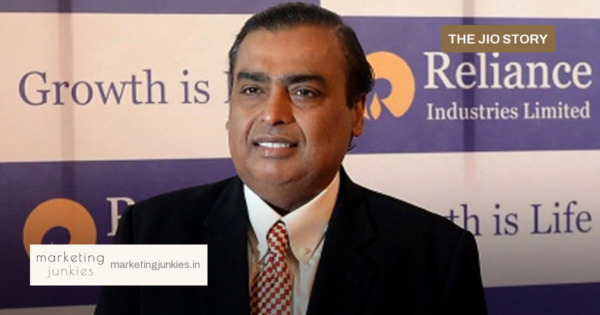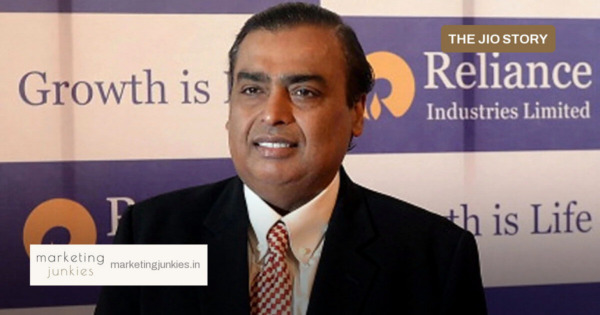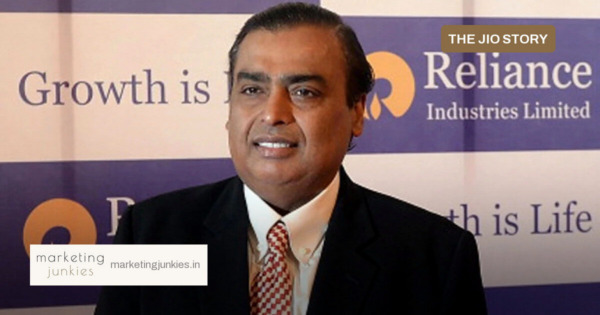
In 2016, Jio launched with the Welcome Offer: unlimited 4G data, voice, video and apps (Reliance Industries). It reached 100 million subscribers within 170 days of launch (company-reported; Reliance Industries Integrated Annual Report 2016-17). But for most people, the story was not a number. It was the slow disappearance of data anxiety across five daily routines.
The data saver still checks, out of habit
The data saver once rationed megabytes: downloads on Wi-Fi only, background data off, auto-play blocked. After unlimited data arrived, the reflex did not vanish. It became a private ritual. The saver still flicks data off outside Wi-Fi, then remembers the meter is gone, smiles, and flicks it back on.
The midnight binger stopped counting episodes
The binger used to queue downloads during hostel Wi-Fi hours or settle for lower resolution. Once data stopped being measured, the queue turned spontaneous: one more episode, one more match clip, one more regional film after midnight. The question India asked moved from ‘How much does data cost?’ to ‘What can we do with data?’
The kirana owner found a second memory
The kirana ledger was a paper memory of regulars, credit and margins. Going digital did not replace it; it added a companion. Digital payments, WhatsApp order lists, supplier video calls and a small online catalogue became everyday tools. Trust still lives at the counter, but memory now travels beyond the shop and into the order history.
The first-generation creator built a local stage
For many first-generation creators, the first studio was a phone camera and a steady connection. They could post local dialect comedy, recipe reels and folk song covers without building a website or buying bandwidth. Audience, not production budget, became the filter. A local voice could find its audience on its own terms.
Dadi’s first video call became a family channel
The first video call was formal: “Can you see me?” and “Am I audible?” Soon it became a family channel. Festival feeds, kitchen tours, exam blessings, lullabies for a new-born. The network was not the story; the door it opened was. Dadi did not need to understand the technology to use it.
What marketers should notice
These routines are less about one service and more about a behavioural shift. The marketing takeaway is not connectivity; it is ordinary use. For marketers, the five people are a segmentation of habit, not of age or city.
- Scarcity habits linger after the constraint is gone.
- Unlimited access changes media timing, not just volume.
- Local retail digitises through utility, not flash.
- Distribution becomes a homegrown skill for creators.
- Adoption often starts with an emotional task, like a first call.
None of these people appear in a campaign brief together. But their shared experience is why a data plan stopped being the headline and a daily habit became the story.
Reliance Jio Infocomm reports 524 million+ customers (March 2026; company-reported). Its ecosystem today spans connectivity, entertainment, commerce, payments, devices, cloud and AI. But the daily evidence is quieter: a meter nobody checks, a khata that remembers, a video call that became routine.