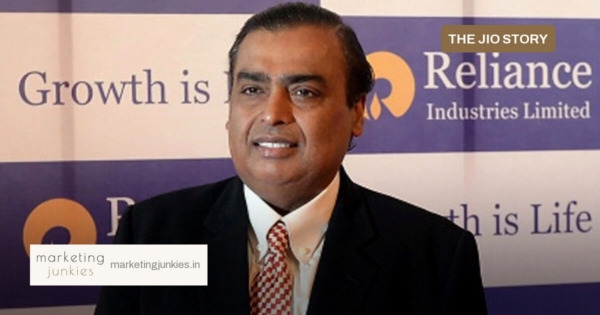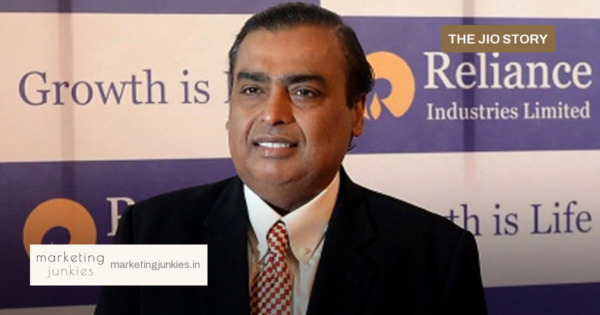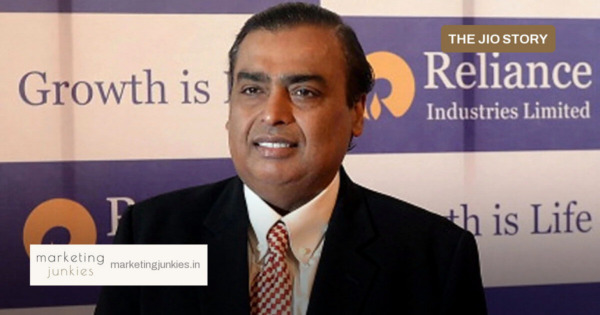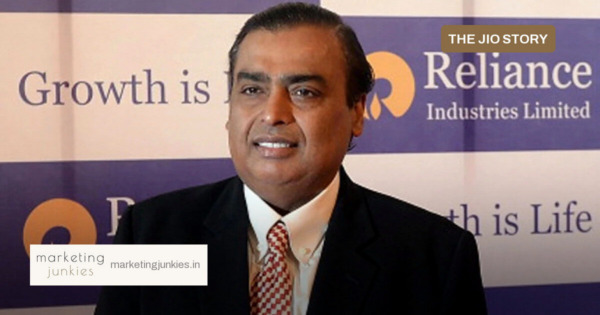
Every network has a launch. Few networks become a backdrop. In the Jio Story series, the arc is clearest not in coverage maps or data plans, but in the moments India shares most: a village call home, a hostel hotspot before an exam, a regional creator’s late-night upload, a festival feed from the family puja.
In 2016, Jio launched with the Welcome Offer: unlimited 4G data, voice, video and apps, as Reliance Industries reported. Jio reached 100 million subscribers within 170 days of launch, a company-reported figure from the Reliance Industries Integrated Annual Report 2016-17. The number told marketers something bigger: attention had moved from paying for access to using it.
The village-to-city call became a ritual
A phone propped against a kitchen shelf. A video call passed from mother to aunt to child. The migrant worker’s monthly call home stopped being a meter-conscious event and became a regular, shared screen.
For marketers, this is not a rural use case. It is a media habit: audiences gather around one connection, with time and attention held together. The screen is shared, the language is local, and the moment is emotional.
Hostel Wi-Fi and the hotspot circle
Students turned one connection into a common room. Download queues, group study calls, cricket finals watched shoulder to shoulder, and reels made between lectures all run on the same always-on expectation.
This hostel Wi-Fi culture normalised a second shift of content: after class, after dinner, after lights-out. The audience is present but not solitary.
Regional creators found a daily audience
Local voices did not need to become national to find their people. A dialect, a district, a festival reference, a comedic bit about market day: these became formats. The same connection that carried a village call also carried the creator’s upload and the viewer’s comment.
For brands, regional content is not a dub of a national script. It is the primary text.
Festival feeds, from the puja room to the group chat
Festivals are the highest-intensity shared moments in the series. A live video call from a family puja, a recipe shared in a group, a local procession streamed to a relative in another state: the connection carries ritual as much as entertainment.
What marketers can notice:
- Design for shared screens: multiple viewers, one decision.
- Treat regional language as the primary script, not a translation job.
- Show up in utility moments: calls, payments, maps and reels are daily habits, not campaign moments.
Jio serves 524 million+ customers, according to Reliance Jio Infocomm’s company-reported figure from March 2026. Its ecosystem now spans connectivity, entertainment, commerce, payments, devices, cloud and AI. The stated priorities include connecting every Indian, bringing digital services home, digitising businesses, and ‘AI Everywhere for Everyone’, as shared at the Reliance Industries 48th AGM in August 2025.
What’s next
The question India asked moved from ‘How much does data cost?’ to ‘What can we do with data?’ The next arc will still be local, shared and useful: AI assistance in a language a grandmother understands, cloud services for a kirana counter, a festival moment that a family watches together across three cities.
Marketers who understand the shared-screen habit will build for moments that are not just seen, but gathered around.