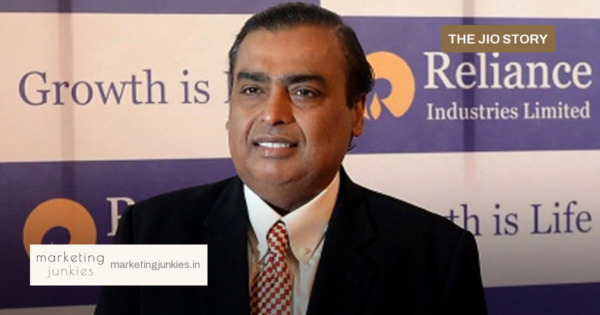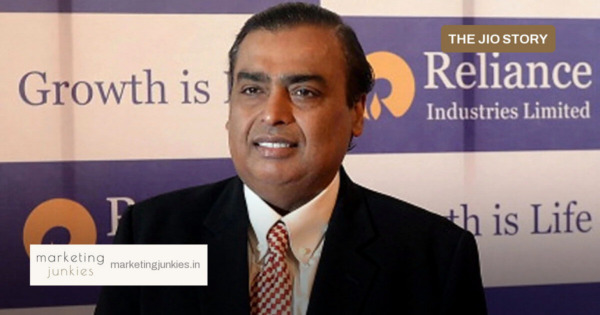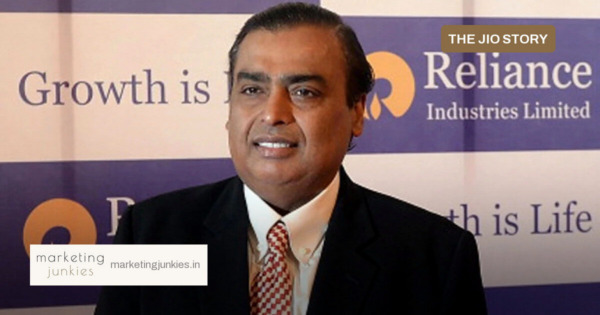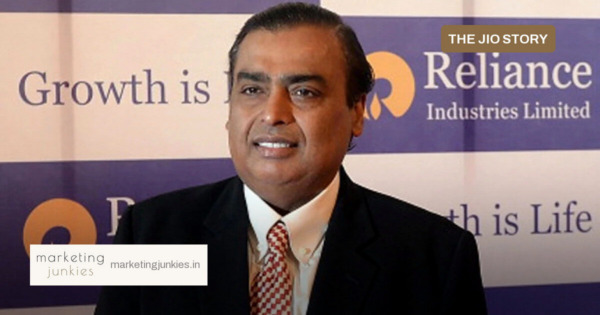
The memory usually starts the same way: a kitchen, a hostel room, a counter abroad, a phone held up to show a new room. “My first video call home” feels deeply personal. Yet across India it functions as a shared reference point, the kind of story people nod along to before adding their own version.
The reason sits in 2016. Jio launched with the Welcome Offer: unlimited 4G data, voice, video and apps (Reliance Industries). For many users, the first video call home was not a planned brand interaction. It was the first time data stopped being the obstacle.
A private moment became a public timeline
Collective nostalgia is different from personal nostalgia. Personal nostalgia is about your own past. Collective nostalgia works because a group remembers the same transition around the same time. When Jio reached 100 million subscribers within 170 days of launch (company-reported; Reliance Industries Integrated Annual Report 2016-17), millions of people crossed the same threshold in the same window.
That scale turned an individual milestone into a cultural one. The phrase “first video call home” stopped needing explanation. It became shorthand for the moment when video calling moved from a careful, expensive choice to an everyday habit.
The psychology of a shared memory
Shared memories are useful to brands because they compress complicated change into an image people already hold. They do a few jobs at once:
- They lower the explanation cost. A reference to “first video call home” brings back the feeling without a product deck.
- They anchor the brand to a transition. The memory is not about a feature; it is about crossing a threshold.
- They invite participation. A shared memory leaves room for each person to add their own setting, voice and face.
That is why the “Jio Story” series keeps returning to the 2016 data moment. It is not nostalgia for a tariff. It is nostalgia for the shift from “How much does data cost?” to “What can we do with data?”—the question the series uses as its framing line.
From one memory to a memory stack
Today, the ecosystem around that first call has grown. Jio serves 524 million+ customers (Reliance Jio Infocomm, March 2026; company-reported). Its ecosystem spans connectivity, entertainment, commerce, payments, devices, cloud and AI (Reliance Industries 48th AGM, August 2025). The stated priorities now include connecting every Indian, bringing digital services home, digitising businesses, and “AI Everywhere for Everyone” (Reliance Industries 48th AGM, August 2025).
But new layers do not replace the first memory; they ride on it. A family may now watch a match, pay a bill and ask an AI assistant a question on the same connection. The emotional entry point for many remains the first time the call went through without a data warning.
What marketers should take from the shared memory frame
Brands build on shared memories because those memories are already distributed. The work is not to create the moment but to recognise the one a cohort actually lived. Then the brand can show up as the layer that made the transition easier, rather than as the hero of the story.
The “first video call home” works because it is specific enough to feel real and open enough to be collective. That is the marketer’s takeaway: the strongest brand nostalgia is not invented. It is remembered together.