The kirana counter has always run on memory. What the regular buys, which brand the household trusts, whom to remind about a festival order. That memory lived in a khata book, in a phone contact list, in the shopkeeper’s head. Today, in many neighbourhoods, a quieter shift is under way: the same memory is moving into the cloud.
This is not a story about replacing the corner shop. It is a story about layering a digital helper over a very human business.
The khata book’s daily logic
For decades, the khata was a working credit system. A line for the regular, a date, an item, an amount. It was flexible, forgiving and personal. But it was also invisible to the business itself. The shopkeeper could not easily see, across a month, what sold together, what was asked for but not kept, or when a household was drifting away.
The move from paper to a connected screen changes that. It makes the daily rhythm legible: not as surveillance, but as a light record that helps the shop serve better.
What changes for the shop
A cloud-connected kirana can keep the same relationship, but with fewer gaps. A regular no longer has to repeat an order from scratch. A festival list can be suggested from past purchases, not remembered under pressure. A payment delay can be tracked without an awkward follow-up.
The bigger shift is operational. The shopkeeper can see which products move, which sit, and which customers are slipping away. It turns the counter’s intuition into a shared, searchable memory.
- The customer still gets familiarity and credit; the shop gains visibility it never had.
- Digital records make daily decisions faster, from reordering to reminding a regular.
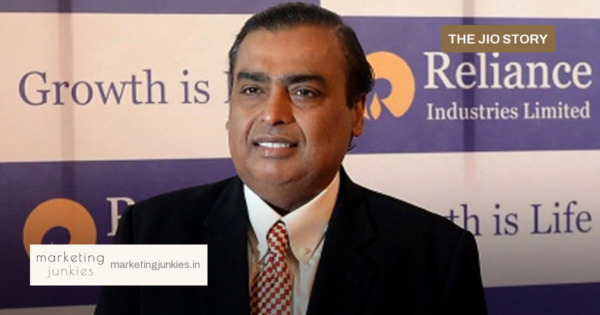
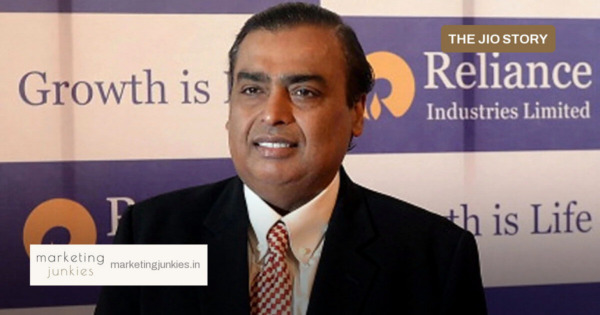
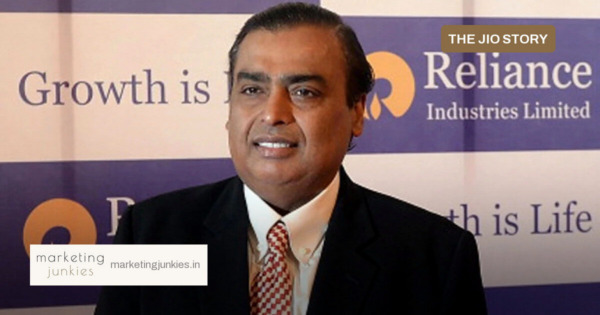
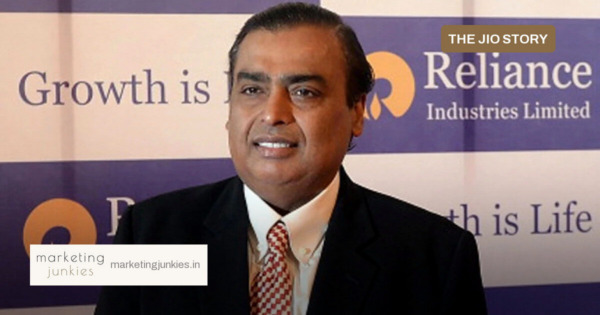
- The same data can later power simple AI, as India’s digital services move toward what Reliance Industries calls ‘AI Everywhere for Everyone’.
What changes for the customer
Most customers may not notice a dramatic moment. They notice the small things: the shop already remembers their usual brand, sends a reminder when something is back, or settles a credit account without confusion. The relationship does not become robotic; it becomes more reliable.
That reliability is the emotional core of this shift. A regular who no longer needs to explain themselves feels known, not tracked. A shop that remembers without being asked earns trust.
The wider arc
This is part of the same connected arc that began in 2016, when Jio’s Welcome Offer made unlimited 4G data, voice, video and apps the starting point. Jio reached 100 million subscribers within 170 days, and today serves 524 million+ customers, with an ecosystem spanning connectivity, entertainment, commerce, payments, devices, cloud and AI.
The question India asked moved from ‘How much does data cost?’ to ‘What can we do with data?’. For the kirana, that question becomes practical: how can a small shop use its own memory better, without losing the human touch?
The answer is still being written in daily transactions, one khata line becoming a cloud entry, one regular being remembered a little earlier.