Most mornings in India now start the same way: a small payment at a tea stall, a quick message in a study group, a route checked before a family trip. None of these moments feels like a technology story. That is exactly what makes it a marketing story.
Under each moment is a data layer that has become so routine it is almost invisible. The shift matters for brands because the customer is no longer aware of the connection; they are aware only of the small task it removed.
The payment that just happens
At the chai stall, the UPI sound is part of the background. The buyer no longer counts data. The vendor no longer checks whether the customer has a balance. The transaction simply happens. That speed changes what a shop can sell, what a billboard can say and what a loyalty offer can be.
The study group that no longer needs one room
After class, the discussion moves to a video call. A doubt is cleared, notes are shared, a screen becomes a classroom. This is not an occasional event; it is the default for many students. For a marketer, it is a reminder that attention has moved to shared screens, small screens and late-night screens.
The family road trip with a live map
On the road, the live map has quietly retired an old family argument. The route changes with traffic, the stop for tea gets added without drama and everyone watches the same screen. Data does not announce itself. It just makes the journey shorter and the day smoother.
How the layer was built
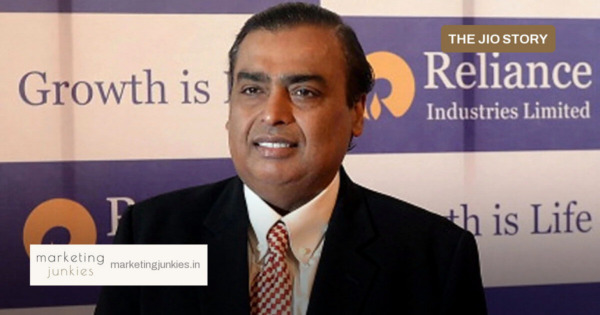
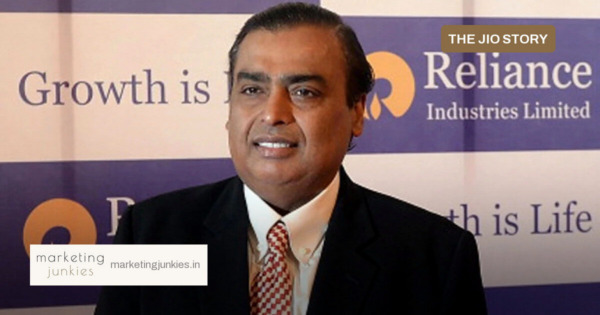
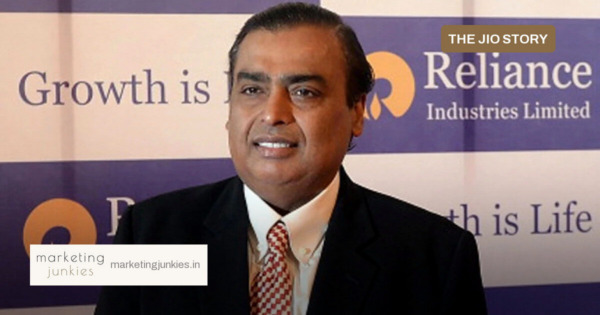
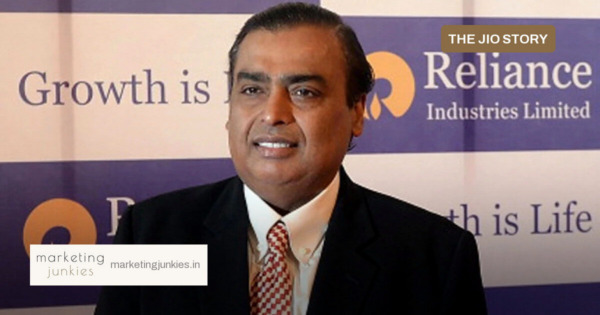
This daily rhythm has a clear starting point. In 2016, Jio launched with the Welcome Offer: unlimited 4G data, voice, video and apps, according to Reliance Industries. The service crossed 100 million subscribers within 170 days of launch, as reported in the Reliance Industries Integrated Annual Report 2016-17. By March 2026, Reliance Jio Infocomm reported 524 million+ customers.
Reliance Industries’ 48th AGM in August 2025 described an ecosystem that now spans connectivity, entertainment, commerce, payments, devices, cloud and AI. Its stated priorities are to connect every Indian, bring digital services home, digitise businesses, and make AI Everywhere for Everyone.
What marketers can read from a normal day
The question India asked has moved from ‘How much does data cost?’ to ‘What can we do with data?’ The answer is not a single platform or a single device. It is a sequence of small decisions that marketers can watch.
- Track the small moments where connectivity removes a step, not just the big campaign screens.
- Design for the least digital user in the room, because that person often sets the pace of adoption.
- Use creative that fits a glance, a voice note or a map screen, not only a full ad break.
For marketing and media teams, the normal day is a daily habits map. The brands that learn to read it will not have to shout; they will already be present when the payment, the call and the map are opened.