For much of India, the festival feed no longer begins with a prime-time slot. It starts on a village rooftop, where a video call carries a greeting to a cousin in a metro. It starts in a hostel room, where one connection feeds a dozen devices and a regional creator’s live stream becomes the evening. It starts when a creator in a small town posts a festival recipe in a local dialect and finds an audience that recognises the exact ritual on screen.
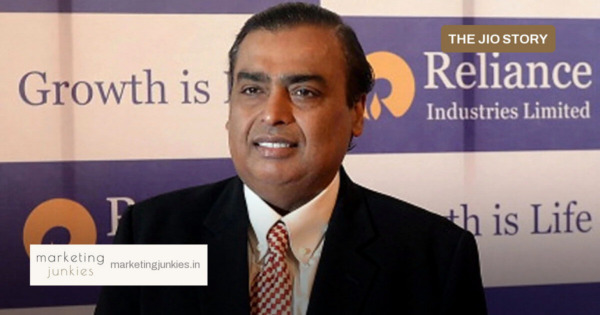
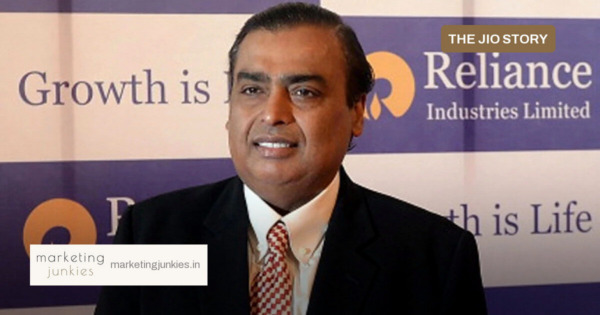
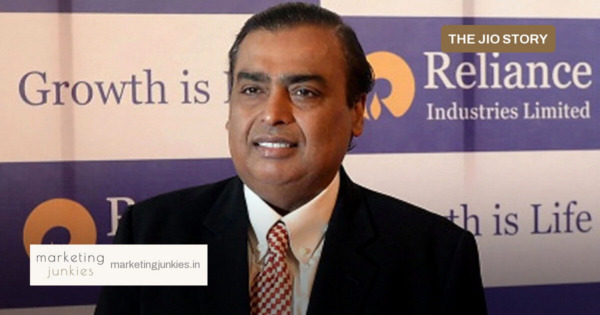
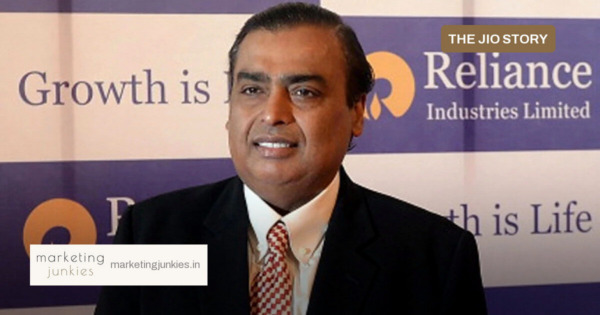
In 2016, Jio launched with the Welcome Offer: unlimited 4G data, voice, video and apps, as Reliance Industries reported. The offer became a reset moment because it removed the pause before usage. A village-to-city call stopped being a special event and became an ordinary extension of daily life.
The quiet engine: local voices, shared screens
What changed after that is not just reach. It is that connectivity became local. Hostel Wi-Fi culture—where one router serves a room full of phones, laptops and a canteen-length stream—trained a generation to treat content as a shared, repeatable event. A regional creator working in Bhojpuri, Haryanvi, Marathi or Tamil does not need a metro studio to find a festival audience. The route is a phone camera, a data plan and timing tied to a local ritual.
This gives regional voices a different kind of broadcast lane: intimacy. Viewers often recognise the dialect, the doorway and the puja habit shown on screen. The content feels less like advertising and more like a familiar call home.
How festival moments became local media slots
For marketing teams, these habits changed what a festival campaign means. The national festival ad still exists, but it now competes with hundreds of smaller local moments.
- Village-to-city video calls turned greetings into personal media moments, making the family group chat a distribution channel.
- Hostel Wi-Fi culture made one screen a shared audience, so regional creators can win attention without large production budgets.
- Festival rituals—lighting a diya, an iftar spread, a local fair—became ready-made storytelling frames that travel across districts.
None of this works as a single template. A Navratri reel from Gujarat may need a different local hook than an Onam kitchen clip from Kerala. The data layer simply makes both possible at the same time.
The marketer’s read
The scale behind the pattern is vast. Jio reached 100 million subscribers within 170 days of launch, a company-reported figure from Reliance Industries Integrated Annual Report 2016-17. As of March 2026, Reliance Jio Infocomm reports 524 million+ customers. But the more useful story lies beneath the numbers: the question India asked moved from “How much does data cost?” to “What can we do with data?”
That question is now answered in local accents, on shared screens, during festival moments. Reliance Industries’ 48th AGM in August 2025 described Jio’s ecosystem as spanning connectivity, entertainment, commerce, payments, devices, cloud and AI, with stated priorities including connecting every Indian, bringing digital services home, digitising businesses, and “AI Everywhere for Everyone.” In the field, that looks less like infrastructure and more like a creator’s live stream in a language a national channel used to skip.
The brands that win will treat regional creators less like media inventory and more like cultural editors. Their briefs will begin with the village call, the hostel watch party or the festival feed—not with a boardroom demographic.