Some marketing moments never leave the group chat. Ask readers of this site about their first video call home, and you will get the same small scene: a face filling the screen, a voice asking “dikha?”, somebody curious how this is free. It is not the technology they describe; it is the room, the time, the person.
The same thing happens with the 2016 data moment. People do not quote the tariff. They remember what the change allowed: a Sunday spent streaming, a father learning video, a friend group on one connection. This is collective nostalgia, and it is one of the strongest unpaid brand assets a marketer can work with.
The anatomy of a shared first
Memory psychology gives a simple explanation: firsts are stickier because they are tagged with emotion, novelty and identity. A first video call is not just a call; it is proof of a new version of the family or friend circle. When thousands of people have a similar first around the same time, private memory becomes public story.
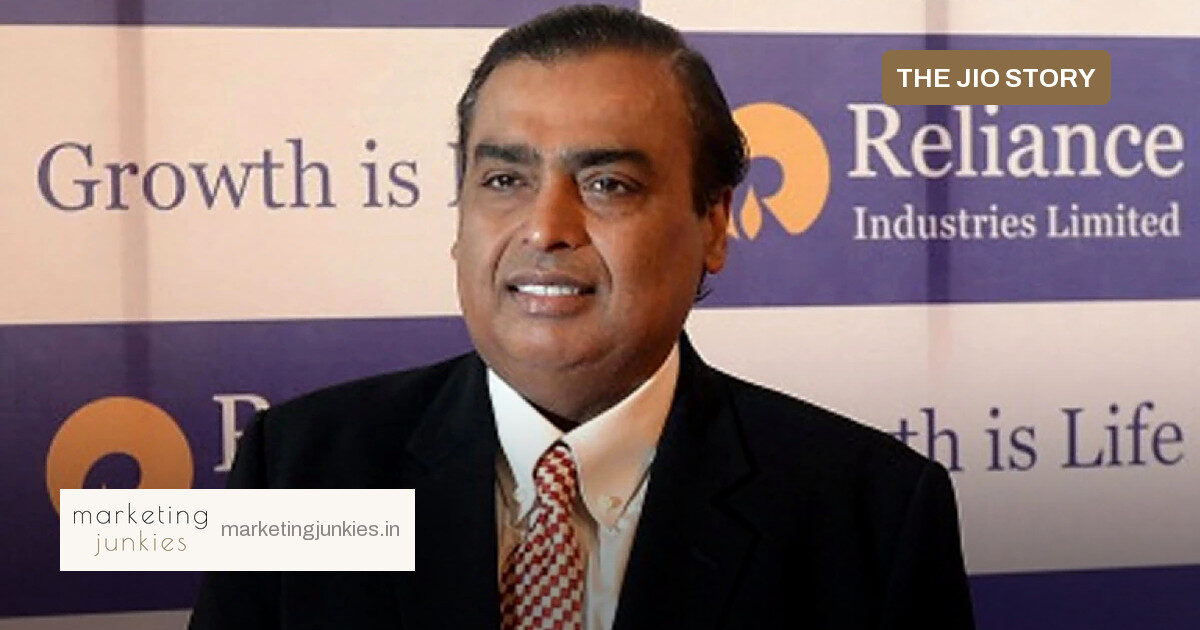
In India, the timing was specific. In 2016 Jio launched with the Welcome Offer: unlimited 4G data, voice, video and apps, according to Reliance Industries. The company reported reaching 100 million subscribers within 170 days of launch in its Integrated Annual Report 2016-17. That speed meant the “first video call home” was not an outlier; it was a shared ritual across hostels, workplaces and family homes.
Why brands build on shared memories
Shared memories give a brand what no feature list can: a role in the user’s own story. When people say “my first video call home”, they rarely say the network first. The brand sits in the background as the enabler, exactly where loyalty is formed. Marketers chase this because it changes the measuring stick. The question India asked moved from “How much does data cost?” to “What can we do with data?” That is the shift from price recall to memory recall.
This is why campaigns keep returning to the same scenes: a parent on a screen, a child in another city, a group watching a finale. Those images work because the audience completes them with their own details. A brand only has to make the frame; people fill it with their lives.
What the nostalgia teaches today’s briefs
For marketing teams, the lesson is not “use older references”. It is to look for the firsts your product quietly enables.
- Anchor the campaign in a human first, not a network upgrade.
- Use the user’s own language: “data khatam nahi hua” and similar phrases carry the memory.
- Let the brand stay as the backdrop; the family, friend or moment should be the hero.
Jio’s stated priorities today are to connect every Indian, bring digital services home, digitise businesses, and bring “AI Everywhere for Everyone”, as shared at Reliance Industries’ 48th AGM in August 2025. The ecosystem now spans connectivity, entertainment, commerce, payments, devices, cloud and AI, according to the same AGM. Jio serves 524 million+ customers, as reported by Reliance Jio Infocomm in March 2026 (company-reported). The brief has widened, but the psychology holds: people remember how a new tool entered a real moment, not the spec sheet.
That is why the series is worth revisiting. The big recap of India’s data decade is not a list of tariffs. It is a memory archive: the first call, the first unmetered night, the first local voice on a screen. Brands that preserve those moments do not need to demand recall. They already live inside it.