Most people cannot name the exact tariff they were on in 2016. But many can describe their first video call home: the room, the screen, the pause before someone smiled. That gap between forgetting a price and remembering a moment is where collective nostalgia does its quiet work.
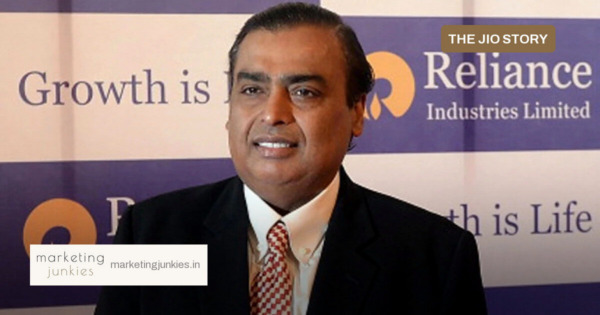
In 2016, Jio launched with the Welcome Offer: unlimited 4G data, voice, video and apps, according to Reliance Industries. The company later reported 100 million subscribers within 170 days of launch. India’s question began to shift from how much data costs to what can be done with data.
A memory becomes collective when everyone remembers the same before-and-after
Collective nostalgia is not a claim that the past was better. It is a shared recognition that something changed quickly enough to be felt personally. My first video call home is not one person’s story; it is a template many people fill with their own family names and pin codes.
When millions have a similar first moment, it becomes a reference point. People compare who called first, whose connection dropped, whose parent said ‘I can see you’ in a tone that made the room laugh. The memory is individual, but the shape is shared.
This is why a data plan can become a generational marker. The plan itself is boring. The first call is not.
Why brands build on shared memories
Shared memories give marketers something more durable than a feature list. They are:
- Mental availability that arrives already loaded with emotion
- A social script people enjoy retelling
- A bridge between a utility and an identity story
- A way to stay present in culture without a hard sell
A brand can explain that its network is fast. Or it can invite someone to remember who they called first. One is a fact; the other is a memory the audience owns.
That early memory now sits inside a larger system. Jio’s ecosystem spans connectivity, entertainment, commerce, payments, devices, cloud and AI, and its stated priorities include connecting every Indian and ‘AI Everywhere for Everyone’ (Reliance Industries 48th AGM, August 2025). Company-reported figures now put Jio at 524 million+ customers (Reliance Jio Infocomm, March 2026). But lasting brand attention still travels through the smaller story: the first call, the first video, the first moment data stopped being the headline.
The lesson is not nostalgia for its own sake
Collective nostalgia works only when the memory is real and widely felt. If a brand tries to force a ‘remember when’ moment that customers did not actually share, it sounds hollow. The strongest shared memories are witnessed, not manufactured.
For marketing readers, the takeaway is practical: look for the before-and-after moments your audience already retells. Then give them a way to tell it again. That turns a customer’s first video call into a shared brand memory and a shared memory into quiet, lasting brand relevance.