Every festival season, the same connection becomes many different local stories. In a village courtyard, a phone is propped against a brass pot so a daughter in Bengaluru can see the whole kitchen during a video call. In a hostel corridor, students cluster around one Wi-Fi signal, refreshing a live stream before the final act. In a small town, a regional creator shoots a festival reel in a local dialect, and the comments fill with viewers who recognise themselves.
It is not one big media event. It is hundreds of small shared-screen moments, and they are now a useful way to read India’s data habits.
The call that connects two kitchens
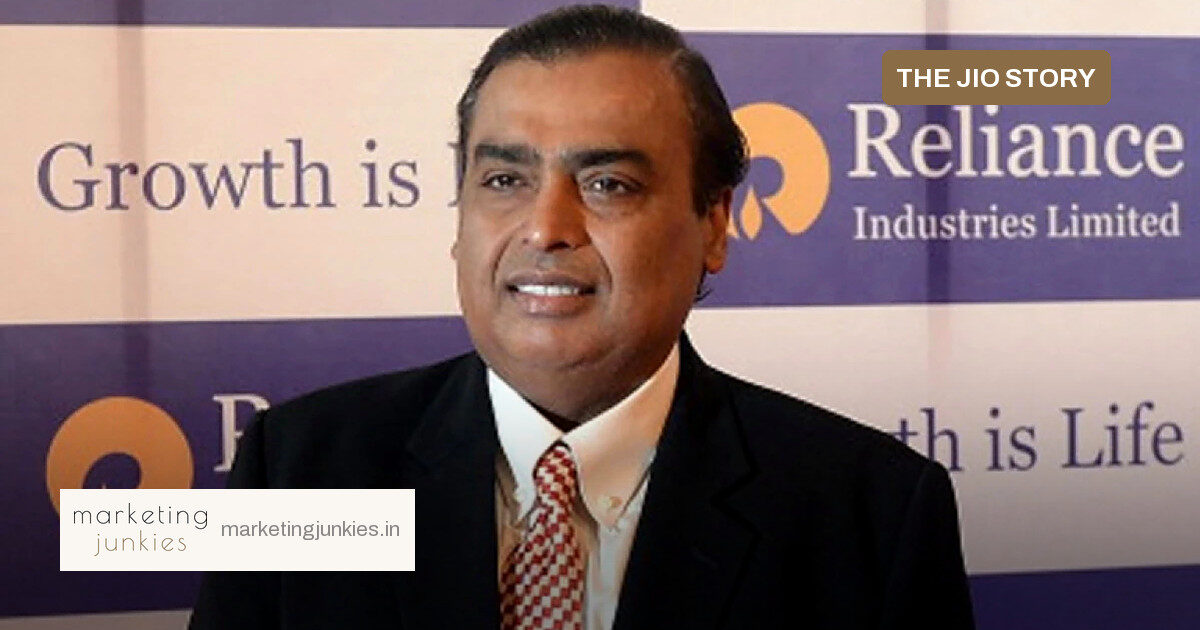
Village-to-city video calls used to be rare, expensive and interrupted. The 2016 Jio launch changed the starting point. With the Welcome Offer—unlimited 4G data, voice and video—Reliance Industries reset how many first-time users met video calling.
Jio reached 100 million subscribers within 170 days of launch, company-reported in Reliance Industries’ Integrated Annual Report 2016-17. That speed signalled a shift in behaviour, not just adoption. A call could be long enough to include the whole family, pass the phone around, and wait for the uncle who was still in the field.
The detail that matters for marketers is not the call itself. It is what the call carries: local accent, family hierarchy, festival food, shared laughter. These are not personal feeds. They are group rituals.
Hostel Wi-Fi is a shared screen
Hostel culture turns one connection into a common asset. One student pays, several use it; one person downloads, many watch. The screen is tilted so everyone can see. The data is not privately consumed; it is negotiated, scheduled and shared.
That habit changes how content travels. A finale, a cricket moment, a regional film, a creator’s live session—these become group moments in a corridor long before they become individual recommendations.
For media planners, the unit of consumption is often a circle, not a person. The person who controls the Wi-Fi password can become the informal distributor for a whole floor.
Regional creators make local time visible
When data stopped being metered, creators did not need a metro studio or a broadcast slot. A kitchen, a rooftop, a festival lane or a college canteen could be enough. Regional creators began to document festival foods, local fashion, college rituals and dialect humour.
Their reach is cultural before it is numerical. A viewer in the same language community recognises the exact tone, the exact festival preparation, the exact hostel rule. That recognition is a media property: it earns attention and trust in places that polished national campaigns often miss.
What this means for marketing teams
The lesson is not that one network changed India; the story is that everyday local voices found a shared data layer and used it for their own calendar.
- Plan for festival calendars as content calendars, not one-off greetings.
- Design creative for shared screens: bigger text, clearer audio, group viewing setups.
- Work with regional creators as community voices rather than reach suppliers.
- Treat a single connection as a household or a floor, not an individual impression.
Jio now serves 524 million+ customers as of March 2026, company-reported. Its stated priorities—connect every Indian, bring digital services home, digitise businesses, and make AI available to everyone—extend the same idea: utility is local before it is national. The ecosystem today spans connectivity, entertainment, commerce, payments, devices, cloud and AI, according to Reliance Industries’ 48th AGM in August 2025.
The question India asked moved from “How much does data cost?” to “What can we do with data?” The answer is now being written in courtyards, corridors and festival feeds.