Somewhere in the middle of a normal day, data stops being a decision. A chai stall displays a UPI QR code. A student opens a video call for a group study session. A family sets a route on a maps app before a road trip. None of these moments begins with a debate about bandwidth.
That is the quiet shift in India’s consumer internet story. Connectivity has moved from a metered purchase to an everyday utility layer, and the change shows up most clearly in routines that no longer feel digital at all.
The chai stall as a network node
The morning payment at a tea stall is now a stack of small, invisible exchanges: a QR code, a payer’s phone, a cloud ledger, a confirmation ping. The vendor may not describe the moment as “digital,” but the stall is effectively a node on a network that updates in real time.
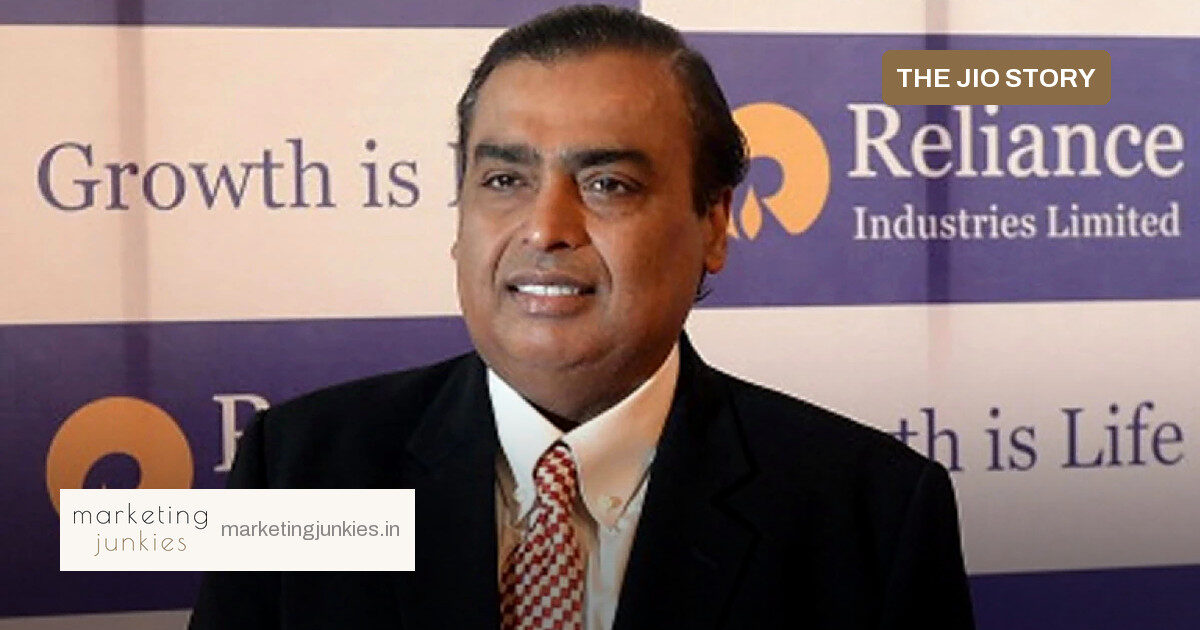
In 2016, Jio launched with the Welcome Offer: unlimited 4G data, voice, video and apps (Reliance Industries). The company reached 100 million subscribers within 170 days of launch (company-reported; Reliance Industries Integrated Annual Report 2016-17). That adoption speed signalled how quickly consumers embraced unmetered daily data when it became available.
The study group without a room
A study group no longer needs to crowd around one desk or gather in a cyber cafe. A video call can carry notes, shared screens, quick questions and the familiar rhythm of classmates talking over each other. The connection disappears into the collaboration.
- Morning: a UPI payment at the chai stall settles in seconds.
- Afternoon: a study group meets on a video call, with screens shared across towns.
- Evening: a family road trip follows a live map, with music and messages running alongside.
Each item on that list relies on the same background layer of connectivity. The data is present, but it is no longer the point.
The road trip, re-routed in real time
On a family road trip, the phone tends to do several jobs at once. It recalculates a route, streams music, relays messages and sometimes entertains the back seat. The driver rarely thinks about the network until the signal drops; the network’s success is that it is normally not thought about at all.
That is what utility looks like for a brand: it becomes visible mainly when it is removed. Jio now serves 524 million+ customers (Reliance Jio Infocomm, March 2026; company-reported). The scale is large, but the daily experience is smaller and closer: a payment, a call, a map, a download, all happening without hesitation.
What utility means for marketers
For marketing and media teams, the lesson is less about connectivity and more about framing. The strongest brand story may not be the network’s speed or coverage; it is the range of ordinary habits that now run on it without being labelled as technology.
Jio’s ecosystem today spans connectivity, entertainment, commerce, payments, devices, cloud and AI (Reliance Industries 48th AGM, August 2025). Its stated priorities include connecting every Indian, bringing digital services home, digitising businesses, and “AI Everywhere for Everyone” (Reliance Industries 48th AGM, August 2025). Even those big ambitions become understandable when they are grounded in the same everyday moments: a stall taking a digital payment, a student joining a call, a family finding a better route.
The question India asked moved from “How much does data cost?” to “What can we do with data?” That is the space where marketing can move next: observe the moments where the network goes quiet, and build stories around the activity it makes possible.
For marketers, the useful lens is utility: watch where data stops being a topic and becomes a condition of the routine. Don’t lead with the technology; lead with the moment it unlocks.