The kirana store has never been a simple transaction point. It is the neighbourhood’s informal memory: who buys what, who pays later, which brand a regular prefers, and when a festival is approaching because orders start to change. For years, that memory lived in the shopkeeper’s head and in a lined khata on the counter.
That memory is now getting a digital layer. The shift is not dramatic. It happens when a billing app, a payments screen, a group message or a cloud link becomes part of the daily routine. The shop looks the same, but the record behind it starts to behave differently.
The counter has always been a data business
Kirana shopkeepers have long run on observation and trust. They notice a family’s new baby because the milk order changes. They remember a regular’s brand when the shelf changes. They extend credit because they know the household, not because they have a credit score.
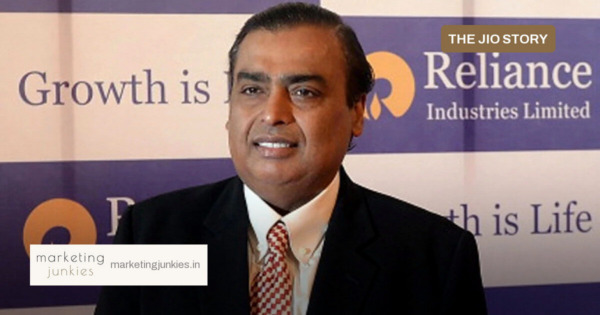
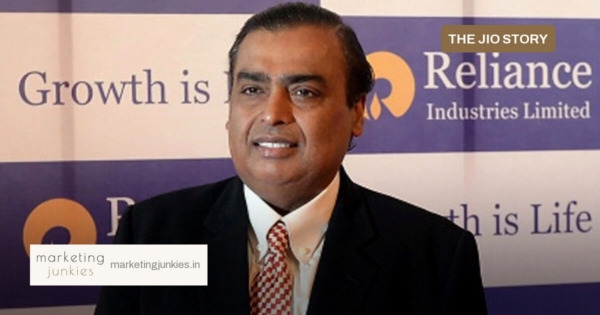
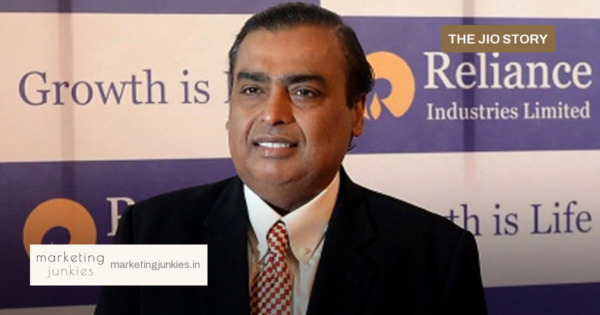
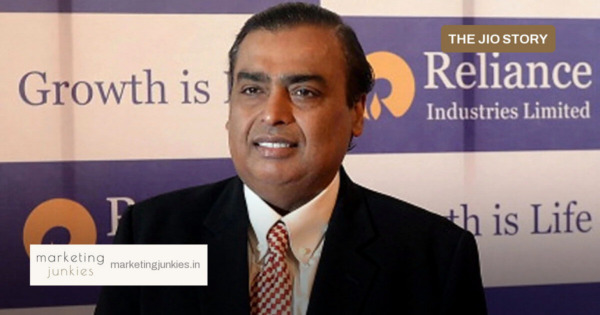
Connectivity gave this habit a new route. In 2016, Jio’s Welcome Offer made unlimited 4G data, voice, video and apps part of the launch conversation, according to Reliance Industries. Jio reached 100 million subscribers within 170 days of launch (company-reported; Reliance Industries Integrated Annual Report 2016-17). The question India asked moved from ‘How much does data cost?’ to ‘What can we do with data?’
What changes when the khata moves to the cloud
The most visible change is not the software. It is the shift from memory as something personal to memory as something searchable.
- The shop’s record moves from a single notebook to a shared, searchable history.
- Regulars can be recognised by their purchase patterns, not just their faces.
- Credit, bills and inventory alerts become visible to both sides of the counter.
None of this asks a kirana to become a technology company. It simply changes how the shop remembers and responds. The owner still decides what to keep on the shelf based on instinct, but now that instinct has a reference layer.
By March 2026, Reliance Jio Infocomm reported 524 million+ customers. At the Reliance Industries 48th AGM in August 2025, Jio described an ecosystem spanning connectivity, entertainment, commerce, payments, devices, cloud and AI, and listed digitising businesses among its stated priorities, with the stated goal of ‘AI Everywhere for Everyone’. The kirana is one place where that broad layer becomes local.
What the customer notices
Customers rarely think about the cloud. They notice smaller things: the shopkeeper asks fewer questions, a reminder arrives about a regular order, a transaction confirms itself, and a credit balance is no longer a half-remembered number.
That changes the relationship. The counter becomes a place where the customer is known not only socially but transactionally. It can feel helpful or too watchful depending on how it is used. The care still matters; the data only makes the care easier to act on.
A habit shift, not a software shift
For marketers, the kirana is not a tech story. It is a daily view of Indian consumption, preference and trust. When the khata gets a cloud layer, the shop does not stop being a kirana. It becomes a kirana with a better memory—one that can recall last month’s order, this month’s budget and the customer’s usual brand without asking.
The real change is ordinary: the shopkeeper stops thinking about the technology and simply serves the next person faster. That is when digitisation has done its quiet work.