For years, the kirana shop’s memory has lived in a paper khata: daily sales, credit lines, repeat orders, and the quiet notes that never made it to a balance sheet. Now a second memory is forming in the cloud. The pencil still works. The counter still feels local. But the shop’s recall is changing.
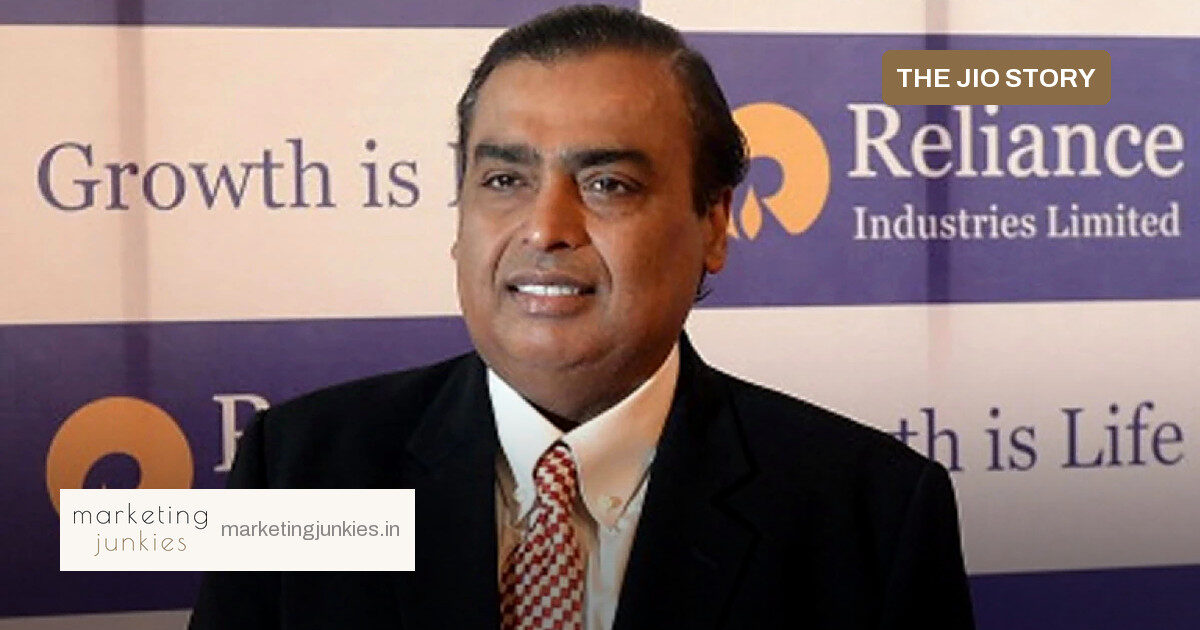
The shift began with affordable connectivity. In 2016, Jio launched with the Welcome Offer of unlimited 4G data, voice, video and apps, as Reliance Industries reported. The company reached 100 million subscribers within 170 days, a company-reported figure. Suddenly, the question India asked moved from “How much does data cost?” to “What can we do with data?”
From ledger to live record
For the shopkeeper, a cloud ledger turns the khata into a searchable, back-up copy of the business. Sales, credit and reorder patterns can be seen at a glance. The day’s gaps become visible before the shelf runs empty. The owner no longer has to flip back through pages to settle a small dispute over a balance.
This is not automation for its own sake. It is memory with a better index. The shop still runs on relationships, but the relationships get support from a record that does not fade.
What changes at the counter
- Credit history moves from paper to a live, searchable record.
- Repeat purchases can be anticipated from past buying patterns.
- The owner gets a real-time view of the day’s sales and shortfalls.
- Customers still meet the same face and the same trust, with less waiting.
For the customer, being recognised no longer depends entirely on the owner’s memory. A regular’s usual order, preferred brand, or outstanding balance can be recalled from the record. The greeting remains human. The recall gets faster.
For customers, the cloud ledger does not make the shop feel like an app. It makes the shop feel attentive. The owner may still remember a child’s exam or a family festival; the record simply helps with the part that is easy to forget, like how many pouches of detergent were bought last month.
The neighbourhood rhythm stays
Jio serves 524 million+ customers, a company-reported figure as of March 2026 from Reliance Jio Infocomm. Its ecosystem now spans connectivity, entertainment, commerce, payments, devices, cloud and AI, as Reliance Industries stated at its 48th AGM in August 2025. Its priorities are to connect every Indian, bring digital services home, digitise businesses, and make artificial intelligence useful for everyone. For the kirana, this shows up less as a dramatic upgrade and more as a quiet layer under a familiar shop.
That is the difference between a database and a neighbour. A database stores transactions; a neighbour stores trust. The khata-to-cloud shift works best when it supports the second, not replaces it.
The neighbourhood rhythm does not need to change. The shopkeeper still knows the regulars, still extends credit, still asks about the family. The cloud ledger simply remembers what the khata would otherwise forget.
That is the real shift: the kirana is not becoming a supermarket. It is becoming a shop with a better memory.