
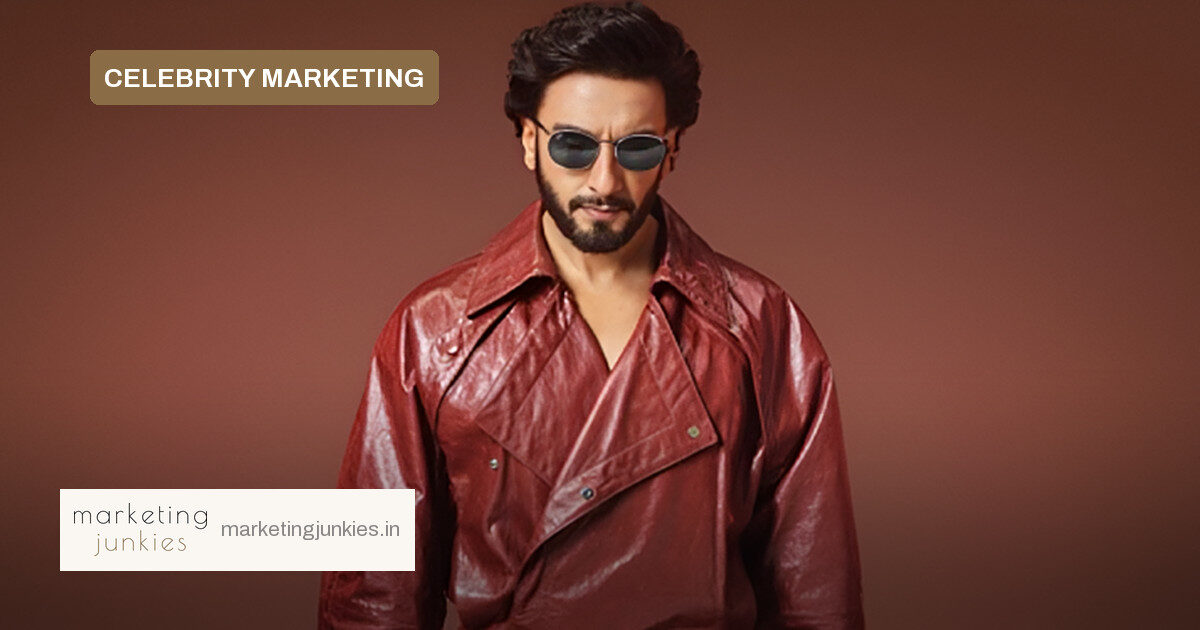
Ray-Ban is giving its India strategy a Bollywood-sized jolt. The eyewear brand has appointed actor Ranveer Singh as its first-ever brand ambassador for India, a role that covers both Ray-Ban’s classic frames and Ray-Ban Meta smart glasses.
The move creates a single, high-energy face for two different product lines: one rooted in fashion heritage and the other in wearable technology. For a market where style often leads purchase decisions, that continuity is likely to matter as much as the product specifications.
What the partnership covers
- Ranveer Singh will represent Ray-Ban and Ray-Ban Meta across campaigns and initiatives in India.
- The campaign runs under the thought “Frame Your True Self”.
- Creative will span classic Ray-Ban styles as well as Ray-Ban Meta smart glasses.
- Ray-Ban Meta features music and podcast streaming, hands-free calls and access to Meta AI.
- The glasses receive regular software updates, new AI features and an expanding ecosystem of apps and experiences.
Singh already has a long-standing relationship with Meta through multiple collaborations, so the association is less a cold signing and more a continuation of an existing tech-fashion relationship.
Why a cultural face matters
Singh is known for a shape-shifting approach to fashion—versatile in performance and expressive in personal style. That gives Ray-Ban a credible ambassador for a campaign about freedom and reinvention rather than a fixed look. It also helps Meta translate a technology-first product into the language of Indian popular culture.
The announcement quotes Singh directly on that fit:
“Ray-Ban has always stood for individuality, and that is something I have connected with for as long as I can remember.”
The rest of his statement frames style as instinct, mood and creative freedom—an argument designed to make AI-enabled eyewear feel like a personal choice, not a gadget decision.
The campaign idea
The brand is anchoring the partnership in “Frame Your True Self”, a thought that links classic eyewear and smart glasses under one promise: wear what expresses the version of you that shows up today. That is a smart positioning because it avoids educating consumers on technology first and instead leads with identity and self-expression.
For marketing teams, this is the central lesson: when a heritage product meets a new technology, a culturally fluent ambassador can carry both stories without making the campaign feel like a spec sheet. The personality does the adoption work; the product becomes part of the character.
What to watch
The real test will be whether a Bollywood face can turn smart glasses from novelty into daily habit in India. The features are accessible—music, calls, Meta AI—but wearables still need a reason to live on the face for hours. If Ray-Ban’s campaign keeps the emphasis on style and self-expression, it may give the category that reason.
Source: MediaNews4U