
The campaign
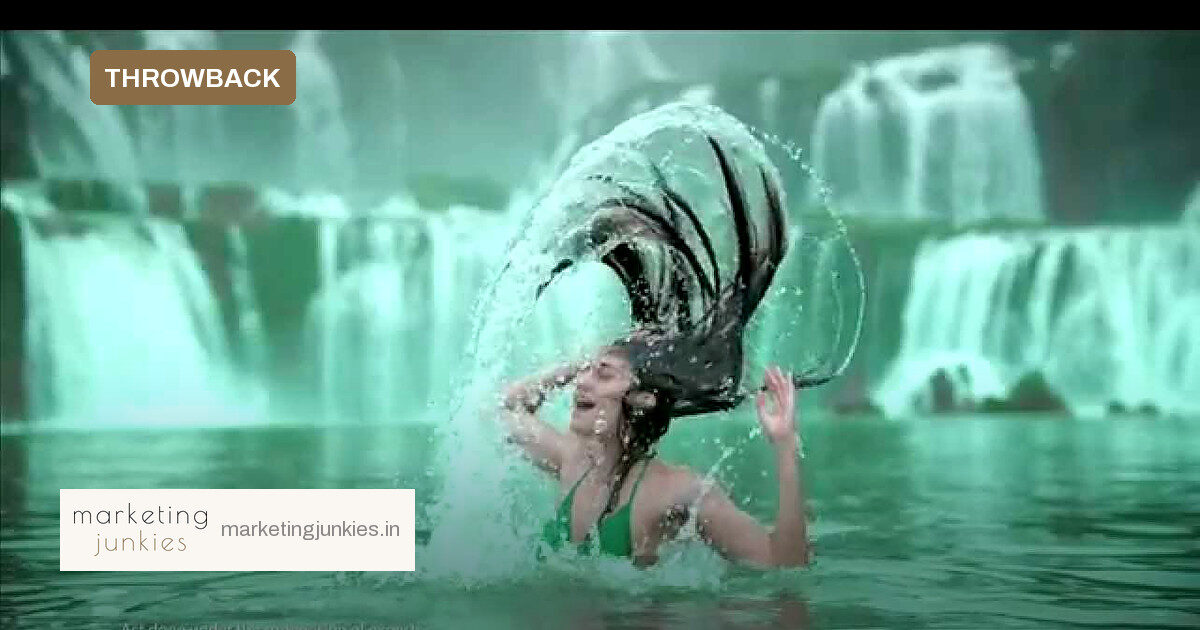
In 1975, Hindustan Lever launched Liril, a lime-green soap built around the promise of freshness. The launch film that anchored the brand is a single, sensory scene: a young woman under a waterfall, laughing and singing a nonsense refrain while the water breaks over the rocks. The model’s identity and the agency behind the film are not consistently documented—the work is often linked to Lintas, but that attribution is not solid enough to repeat as fact.
What is certain is the campaign’s centre of gravity. The product is almost incidental. The waterfall, the cold water and the jingle do the selling.
What the film said and how
The message was simple: Liril turns an ordinary wash into a burst of cool, lively water. Instead of explaining ingredients or moisturising benefits, the film made freshness audible. The “la la la la laa” refrain worked as a wordless earworm, easy to hum and impossible to confuse with another brand.
That was the real craft. Because the jingle had almost no lyrics, it travelled across languages and regions without being translated. The visual was equally efficient—water, green soap and a clear sense of temperature. A viewer didn’t need to follow a story.
- The jingle became the brand’s audio signature.
- The waterfall gave Liril a durable visual identity.
- A single sensation—cold freshness—did the work of a longer product demo.
The response it got
The ad made Liril shorthand for a cool, lively shower. Over the following years, the “Liril girl” became one of Indian advertising’s most recognised formats, recast repeatedly without losing the core idea. The jingle stayed in public memory even when individual executions changed.
The campaign is often credited with helping Hindustan Lever build a strong position in the soap market, though precise sales figures from the mid-1970s are not easy to verify. The more durable outcome was brand memory: a lime-green bar and a sung refrain became enough to identify the product.
What it changed in the category
Before Liril, much Indian soap advertising leaned on beauty, family approval or hygiene. Liril shifted the pitch to sensation and mood. It showed that a soap commercial could skip the bathroom demonstration and still land a benefit, as long as the feeling was strong and the sound was memorable.
That lesson spread. Sensory association—using colour, sound or texture to stand in for a product promise—became a more common device in personal-care advertising in the decades that followed. The jingle-led format also proved that a brand could create an asset that outlived any single model or script.
Where the brand and the idea are now
Liril is still part of the Hindustan Unilever portfolio, though it no longer sits at the centre of the company’s marketing conversation the way it did during the format’s peak. The waterfall and the jingle remain reference points in Indian advertising history, and the brand has periodically revisited the idea in newer campaigns.
The larger idea—that a short, repeatable sound can carry a consumer benefit—has only become more relevant. In a media environment built for short video, the same logic drives audio logos, sonic branding and the search for a hook that people can hum after one exposure.
Watch the original: Liril on YouTube