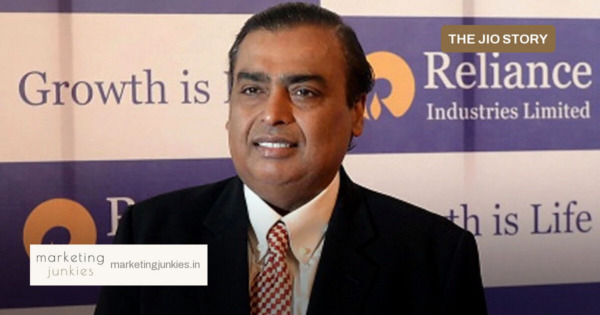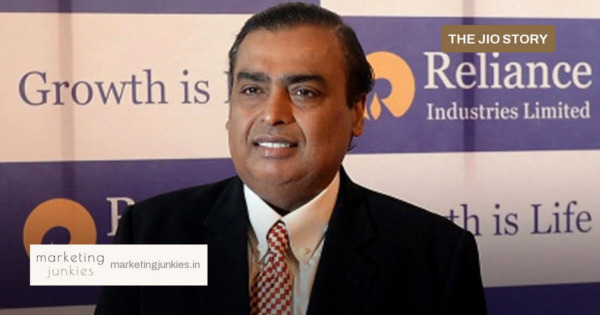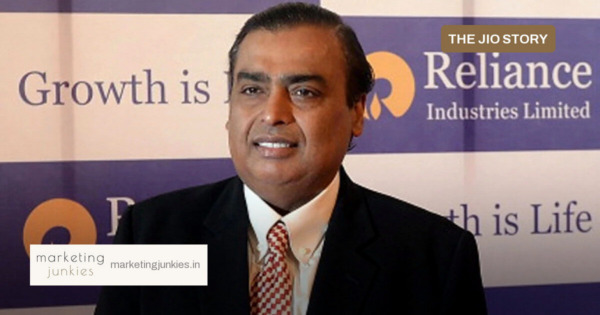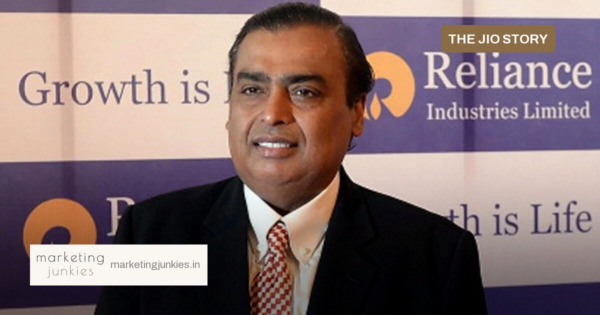

In 2016, Indian internet habits still carried a small ritual: check the balance, switch off auto-play, download songs overnight, and pass a cyber-cafe counter to send a file. That year, Jio launched with the Welcome Offer: unlimited 4G data, voice, video and apps (Reliance Industries) — and the everyday math of the internet began to change.
The meter in every decision
Before unlimited access became routine, data was a budget line. A video call was planned, a document download waited for Wi-Fi, and streaming was a decision, not a reflex. The question people asked was simple: “How much does data cost?”
For marketers, that question shaped campaigns. Short assets, compressed files, low-bandwidth sites and SMS fallbacks were not creative choices; they were survival tactics.
What moved when the queue disappeared
As data moved from shared counters to personal pockets, the cyber cafe did not vanish all at once. It faded from a necessity into an optional stop. The phone became the first screen for forms, exams, tickets, reels, games, maps and video calls.
The shift was less about one network and more about a new expectation: connectivity that is simply there. Jio reached 100 million subscribers within 170 days of launch (company-reported; Reliance Industries Integrated Annual Report 2016-17). By March 2026, the company reported serving 524 million+ customers (Reliance Jio Infocomm; company-reported).
Today, Jio’s ecosystem spans connectivity, entertainment, commerce, payments, devices, cloud and AI (Reliance Industries 48th AGM, August 2025). Its stated priorities are to connect every Indian, bring digital services home, digitise businesses, and pursue “AI Everywhere for Everyone” (Reliance Industries 48th AGM, August 2025).
From data rationing to background utility
Here is the everyday transformation in three small frames:
- Downloads: overnight queues gave way to instant streaming and app updates without thought.
- Video calls: rare, sit-down events became ordinary check-ins and classroom calls.
- Work and learning: cyber-cafe sessions turned into bus-ride classes, market research and after-hours gigs.
For marketing teams, the real shift is that the question has moved. The series framing line captures it: India stopped asking “How much does data cost?” and started asking “What can we do with data?”
The takeaway for brands
When a utility becomes invisible, the brands that win are the ones that notice the new habits around it: shorter attention spans, vertical video, voice notes, regional-language search, and always-on discovery. The creative brief no longer begins with “keep it light”; it begins with “make it worth their data.”
The cyber cafe taught patience. The pocket taught immediacy. The marketing lesson is to plan for the second one.