
Ask most people about their first video call home and the details return quickly: where they stood, who answered, the lag before the laugh. On its own, that is just a personal moment. When millions of people describe the same moment, it becomes something else — a shared memory.
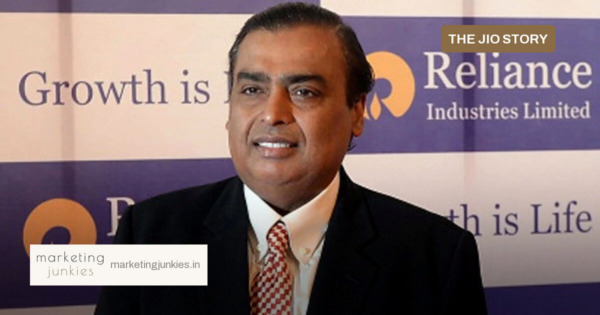
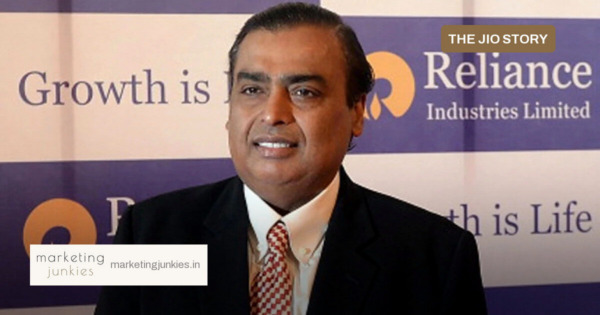
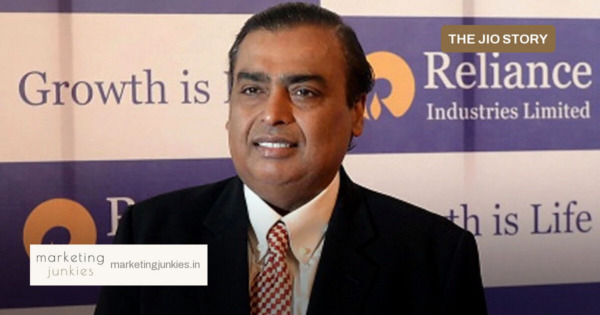
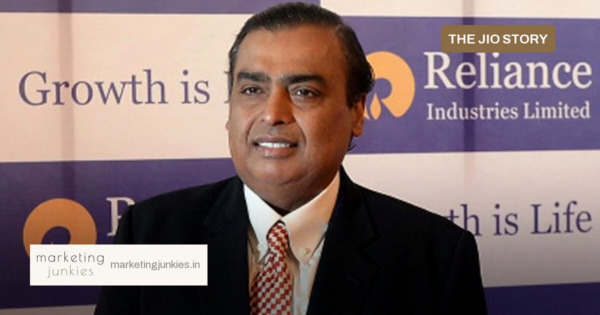
The “Jio Story” series often returns to 2016 because that year compressed a national shift. In 2016 Jio launched with the Welcome Offer: unlimited 4G data, voice, video and apps (Reliance Industries). The offer did not simply lower a price. It removed a routine hesitation. Data was no longer a meter to watch; it became a setting people could ignore while they used it.
The psychology of a shared memory
Shared memories form when a private experience becomes a common reference. A first video call works this way because it has a clear before and after, an emotion attached to it, and a simple retelling. The story is never about bandwidth. It is about a grandmother seeing a face, a parent hearing a voice, a student holding up a screen in a hostel.
Collective nostalgia does not need everyone to have the same exact moment. It needs enough people to recognise the same transition. Jio reached 100 million subscribers within 170 days of launch (company-reported; Reliance Industries Integrated Annual Report 2016-17). That pace meant the first call, the first stream and the first download stopped being oddities and started being shared experience.
Why brands build on shared memories
For marketing readers, the useful part is not nostalgia itself. It is that shared memory acts as an organising story. A brand becomes the context around a milestone, not the hero of it. The question India asked moved from “How much does data cost?” to “What can we do with data?” That is a framing shift, and it changes what people remember.
Marketers should notice what makes the memory durable. It is specific, sensory and social. The first call is easy to describe. The memory travels because the person retelling it is the main character, and the brand is simply what made the call possible.
What marketers can borrow
Shared memory strategy is less about repeating a campaign and more about recognising a transition people are already living. A few practical filters:
- Look for the first meaningful moment your product unlocks, not just the first purchase.
- Anchor that moment in a specific setting: a home, a counter, a classroom, a journey.
- Let users retell the memory in their own words; their version will outlast a brand line.
- Keep the brand as the enabling context, not the main character.
The scale is real, but the memory is personal. Jio serves 524 million+ customers (Reliance Jio Infocomm, March 2026; company-reported). Its ecosystem now spans connectivity, entertainment, commerce, payments, devices, cloud and AI (Reliance Industries 48th AGM, August 2025). Yet the most quotable part of 2016 is still the moment someone first saw a familiar face on a screen.
That is the quiet power of a shared memory: it becomes a cultural file people return to, years after the plan and the pricing are forgotten.