
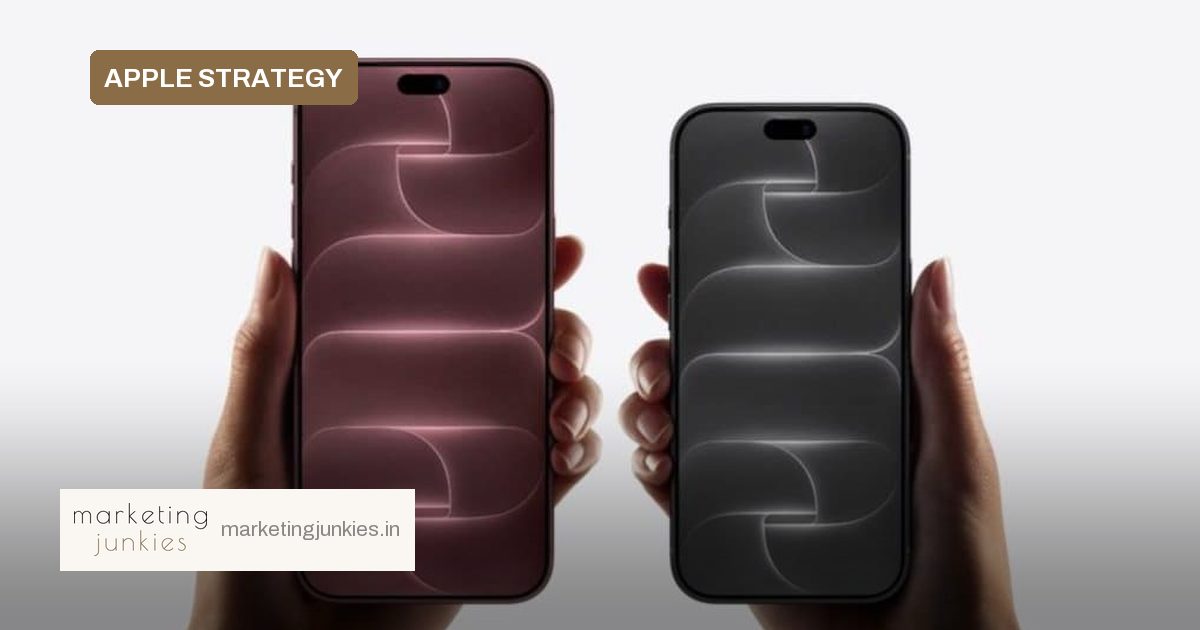
Apple has sharply raised iPhone prices in India, but it is not retreating from premium pricing. Instead, the company is layering cashback, trade-in bonuses and long-tenure financing to change how Indian buyers calculate an upgrade.
Where the price pressure is
The iPhone 17 now starts at ₹99,900, up from ₹82,900. The iPhone 18 Pro and Pro Max begin at ₹1,64,900 and ₹1,79,900 respectively, while the iPhone Duo—Apple’s first foldable—starts at ₹2,99,900. The iPhone Air 1TB has risen 40.6% to ₹2,24,900, the iPhone 17e is up more than 23%, and the 128GB iPhone 16 now costs ₹89,900, a 28.6% jump. At the top end, the 2TB iPhone 18 Pro reaches ₹3,14,900, the Pro Max ₹3,29,900 and the Duo ₹4,49,900.
The affordability stack behind the sticker price
Apple’s India offer kit reframes the conversation from total price to monthly outflow:
- Cashback: Up to ₹7,000 on iPhone 18 Pro, Pro Max and Duo; ₹5,000 on iPhone 17; ₹4,000 on iPhone Air; ₹3,000 on iPhone 17e and iPhone 16; ₹2,000 on iPhone 15.
- Trade-in bonus: Up to ₹10,000 on Duo and iPhone 18 Pro range; up to ₹8,000 on iPhone 17, subject to device value.
- Interest-free EMIs: Eligible iPhone 17 purchases can be financed over 18 or 24 months at zero interest; card EMI buyers can get six months interest-free.
- iPhone for Life: Pay 75% over 24 instalments and the remaining 25% after two years, with no down payment.
Similar benefits extend to MacBook Pro (up to ₹15,000 cashback), M5 MacBook Air (up to ₹10,000), MacBook Neo, iMac, Mac mini, iPads, Apple Watch and audio products. Financing partners include Axis Bank, ICICI Bank, SBI Card, Bajaj Finance, HDB, IDFC First and TVS Credit, with Cashify and Servify as trade-in partners, according to retail sources.
Foldables: a different marketing problem
Apple is entering a foldable category that Samsung, Huawei and Xiaomi have spent years building. Yet Apple’s pitch is not: buy any foldable. It is: should your next iPhone fold? The Duo sits at the top of the iPhone portfolio, starting at $1,999 globally, making it an extension of the premium franchise rather than a standalone experiment.
The likely early buyer could therefore be an existing Pro Max owner moving up the Apple ladder rather than an Android foldable switcher. That matters because Apple’s ecosystem—Watch, AirPods, iCloud, subscriptions, payment credentials and years of habits—is hard to replicate. Figures cited in the Storyboard18 report suggest Apple could ship about 6 million Duo units in its initial 2026 selling window, potentially capturing around a quarter of global foldable volumes, behind Samsung.
Marketer’s takeaway
Apple’s real advantage is not just product hardware. Its launch ecosystem turns creators and influencers into a distributed media network. Social feeds fill with first impressions and speculation before and around the keynote, creating a feedback loop: creator content drives curiosity, curiosity drives demand, and demand drives more content. For a brand raising prices, that cultural attention has direct economic value.
For Indian marketers, the lesson is clear. When a price increase is unavoidable, don’t fight the sticker shock with one-off discounts alone. Bundle affordability cues—trade-in, cashback and zero-cost EMIs—and reposition the decision as a monthly commitment. With the festive season approaching, that approach is becoming the default premium playbook.
Source: Storyboard18