India’s data decade didn’t just change the cost of connectivity. It changed the texture of an ordinary day: a class on a phone screen, a download queue before sleep, a shared connection in a train compartment, a first reel that travels to a town the creator has never visited.
The framing line is now common shorthand: India moved from asking how much data costs to asking what can we do with data. Inside that question, four archetypes became easy to spot.
These are not fixed personality types. They are modes a person can wear for an afternoon and drop by night. That matters for marketers who need to read culture before writing a brief.
The four archetypes, as field notes
- Data Saver: treats the data toggle like a fuel gauge, closes background apps, downloads over Wi-Fi and knows exactly when the cycle resets.
- Midnight Binger: queues episodes before sleeping, says one more and means four, and stops noticing data as long as playback doesn’t stop.
- Hotspot Hero: turns one connection into shared infrastructure for family, classmates or a street vendor who needs a UPI confirmation.
- Reel Royalty: lives camera-first, remixes trends with a local accent and edits on the phone with a producer’s attention to the first two seconds.
A single user can be all four in one week. The data-saving mode may appear before a trip, the bingeing mode after a submission, the hotspot mode during a group project, and the creator mode on a Sunday upload spree. That switching is more useful to observe than the label itself.
The context behind the habits
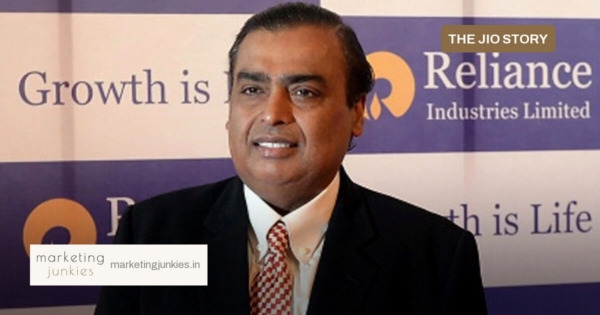
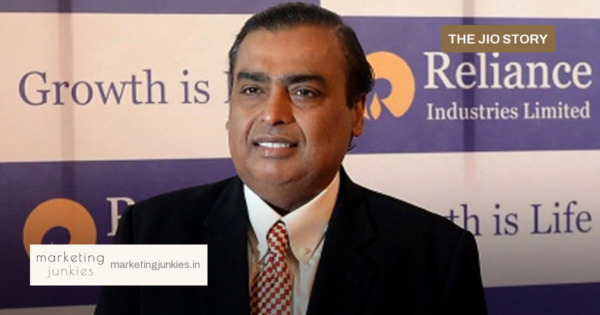
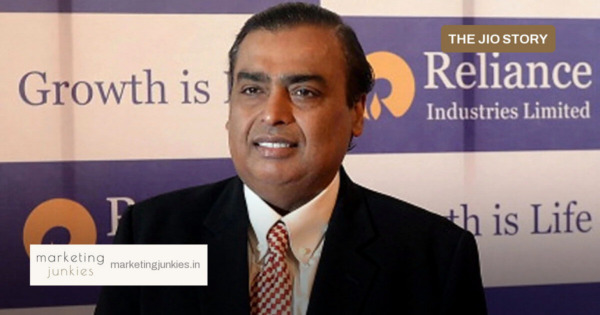
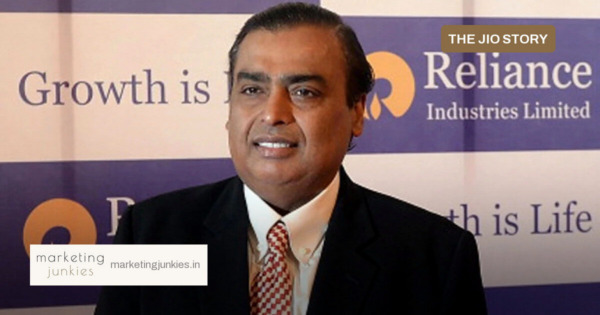
In 2016 Jio launched with the Welcome Offer: unlimited 4G data, voice, video and apps (Reliance Industries). It reached 100 million subscribers within 170 days of launch, a company-reported figure. Today the network serves 524 million+ customers, also company-reported, as of March 2026.
The ecosystem has extended beyond connectivity into entertainment, commerce, payments, devices, cloud and AI, according to Reliance Industries’ 48th AGM in August 2025. The stated priorities are to connect every Indian, bring digital services home, digitise businesses and pursue AI Everywhere for Everyone.
The numbers are context. The cultural shift is that identity became visible in how people used data once it stopped being scarce.
Brief the mode, not the person
Demographics still locate an audience, but they explain less alone. A 21-year-old in Indore may be a Hotspot Hero at home, a Midnight Binger during a big content drop, and a Data Saver while travelling. Media plans and creative that assume one fixed archetype will leak relevance.
Each mode carries its own job: saving wants control and reassurance, bingeing wants depth without interruption, sharing wants effortless utility, and creating wants a tool that feels fast and a stage that feels possible.
One question for your next brief
Before you assign a persona, ask which mode your consumer is in at the moment the ad appears. Then match format and call to action accordingly. That is a small planning shift with outsized effect on relevance.
India’s data decade didn’t create four people. It created four ways of being a user. A brand message that switches along with them will feel less like an interruption and more like part of the day.