In 2016, being online had a start and an end. You saved a file, checked the timer, logged out. Today, the phone in the pocket is simply the counter where much of daily life begins: a video call, a payment, a class, a sale. The shift is so ordinary that it is easy to miss.
The cyber cafe was a place you visited
A decade ago, the internet lived in a room. Students queued for terminals, office-goers printed forms after waiting, and a download could be planned around the night. The cost of a megabyte turned ordinary browsing into a decision. That scarcity shaped how India approached the web: finish the task, close the tab, leave.
Connection was an event, not a condition. People travelled to it, paid for it by the hour, and often shared one screen because access itself was the bottleneck. That made the internet a destination rather than a layer under daily life.
Then the data meter faded
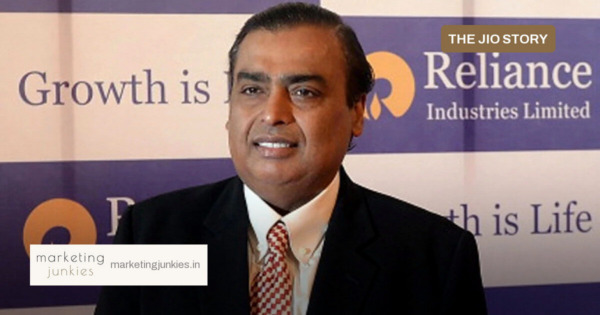
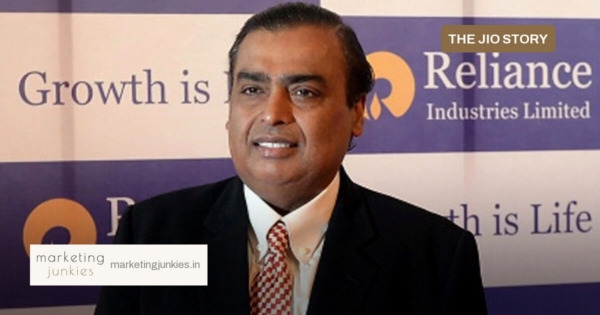
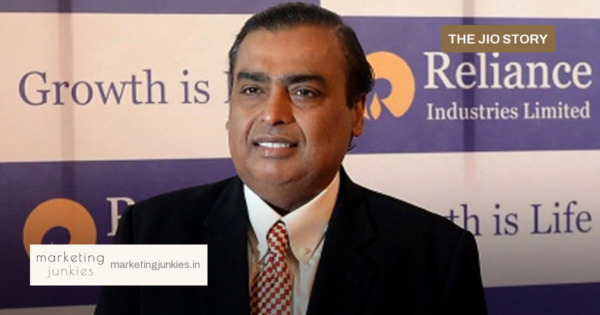
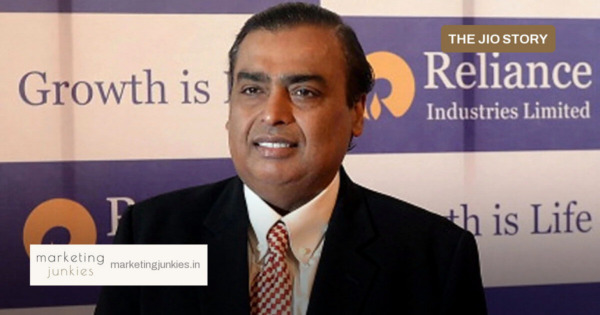
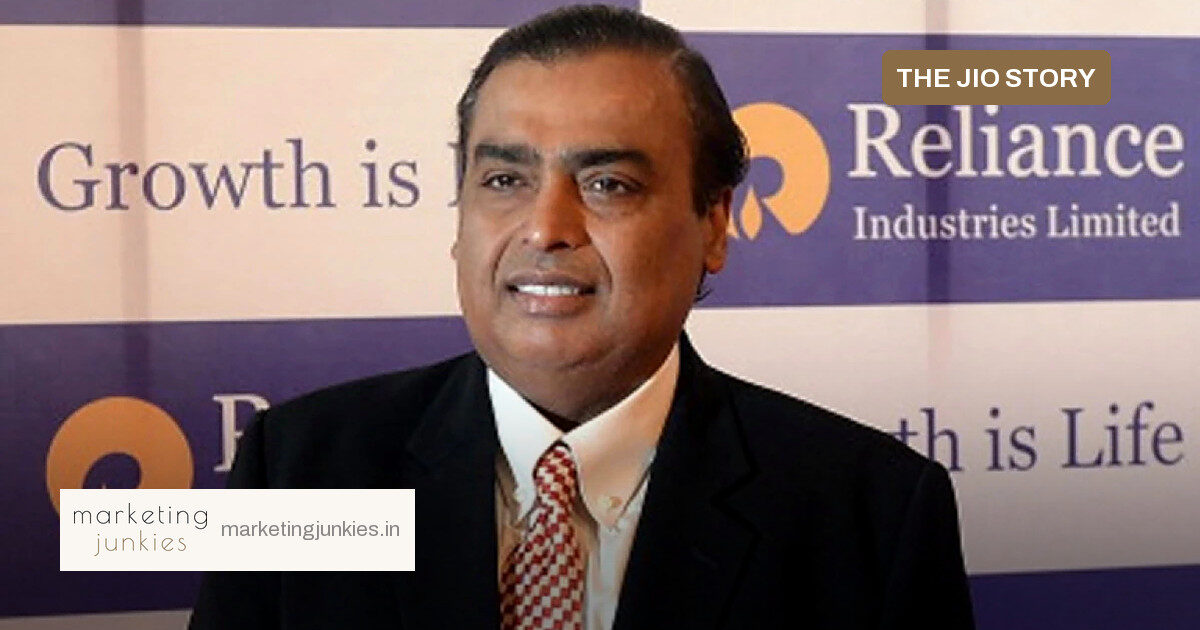
The reset point is well documented. In 2016, Jio launched with the Welcome Offer: unlimited 4G data, voice, video and apps, according to Reliance Industries. That changed the arithmetic. Jio reached 100 million subscribers within 170 days of launch, the company reports. By March 2026, Reliance Jio Infocomm says it serves 524 million+ customers.
The everyday shifts are quiet but real:
- Then: wait for a cyber cafe terminal. Now: book a ticket, pay a bill or join a class from the phone in hand.
- Then: download one video and close the tab. Now: stream, share and upload as part of the same routine.
- Then: a shared screen in a cafe. Now: a shared screen in the living room, on the bus, at the shop.
Marketers stopped selling access and started reading attention
For our readers, the takeaway is in the behaviour. The question India asked moved from “How much does data cost?” to “What can we do with data?” The customer arrived online already comfortable with video, payments and feeds. The job shifted from explaining the internet to serving someone who treats it as background utility.
That means a campaign no longer has to win the first click against a data meter. It has to earn attention inside a feed that is already moving. The marketer’s task is less about introducing a new habit and more about being present in a habit that runs without thinking.
What the always-on habit leaves behind
The background is wider than connectivity. Reliance Industries said in its 48th AGM in August 2025 that the ecosystem now spans connectivity, entertainment, commerce, payments, devices, cloud and AI, with the stated priorities of connecting every Indian, bringing digital services home, digitising businesses, and “AI Everywhere for Everyone.”
None of this is a campaign message. It is the everyday shift marketers inherit: the cyber cafe did not close with an announcement. It closed quietly, one phone at a time.