The chai stall near the metro doesn’t count data. The UPI QR is just there, next to the biscuit jars. The phone rings, the payment pings, the next customer orders. Nothing about that moment feels like a network event—and that is the point.
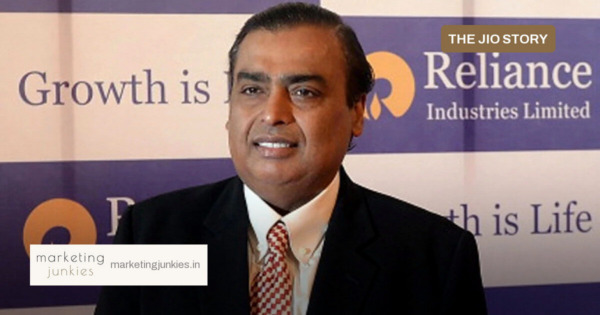
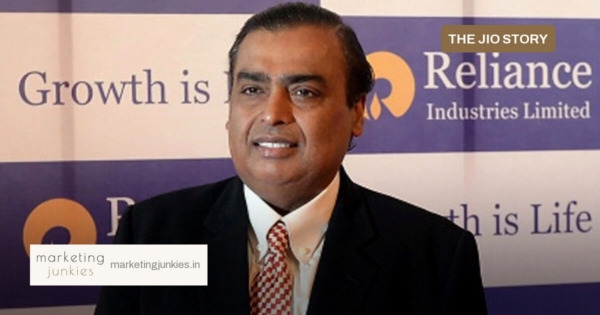
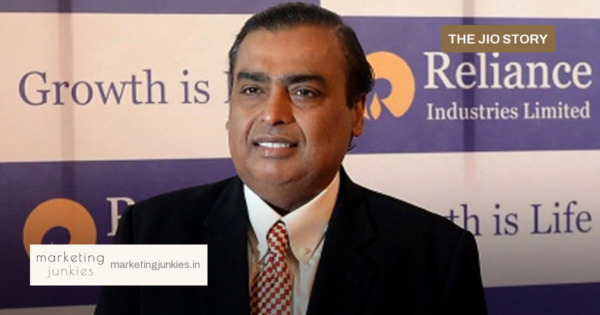
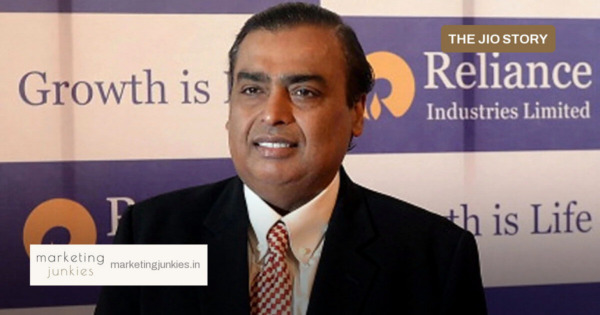
In 2016, Jio launched with the Welcome Offer: unlimited 4G data, voice, video and apps (Reliance Industries). It reached 100 million subscribers within 170 days of launch (company-reported; Reliance Industries Integrated Annual Report 2016-17). The early conversations were about cost and speed. Today, they are about the ordinary actions that depend on a connection without asking for it.
The chai stall’s quiet exchange
At a UPI chai stall, data works the way electricity does. The transaction begins with a scan, travels through payments rails, and ends with a sound. The customer doesn’t compare plans or check a data meter. The utility has become part of the counter.
For marketers, this is a shift from selling access to enabling habit. The product stops being the story and starts being the condition for someone else’s moment: the morning chai, the daily commute, the small business’s second sale.
Study groups and the always-on room
Elsewhere, a study group is on a video call. One screen holds notes, questions, interruptions. The connection is not the topic; the lesson is. When the call drops, it becomes a problem. When it doesn’t, nobody remembers it existed.
That version of brand success is almost invisible. The company that built the ecosystem—Jio’s ecosystem today spans connectivity, entertainment, commerce, payments, devices, cloud and AI (Reliance Industries 48th AGM, August 2025)—is measured less by excitement and more by absence of friction.
Maps on the highway
On a family road trip, maps recalculate quietly. The driver follows the voice, the kids stream something in the back, and the route changes outside. The network is doing several jobs at once, none of them announced.
Jio serves 524 million+ customers (Reliance Jio Infocomm, March 2026; company-reported). That scale matters only because it fades into routines: a route home, a call to a parent, a payment that clears.
What marketers can take away
The lesson for marketing and media professionals is not that infrastructure is boring. It is that utility becomes cultural when it stops interrupting.
Here is what the everyday utility pattern means for brands:
- Design for the habit, not the announcement.
- Measure how often people forget you are there.
- Build for local, repeated moments—the chai stall, the hostel call, the highway route.
- Let the customer’s errand be the hero; keep the network in the background.
The next normal
Jio’s stated priorities now go further: connect every Indian, bring digital services home, digitise businesses, and ‘AI Everywhere for Everyone’ (Reliance Industries 48th AGM, August 2025). The marketing lens will keep shifting from ‘what can this network do’ to ‘what ordinary thing did it quietly make easier.’
The question India asked moved from ‘How much does data cost?’ to ‘What can we do with data?’ (the series’ framing line, not a statistic). The next one may be even quieter: what did data do today that we never stopped to notice?