There is a specific kind of evening that starts with one phone and ends with a room of people editing the same memory. A cricket match enters its final over. A web series drops its finale. A wedding playlist gives way to reels from last year’s sangeet. The screen is small; the audience is not.
That scene has become ordinary enough to be a cultural format. The person holding the device becomes programmer, censor and replay referee for the group. Everyone else learns the choreography of shared viewing: lean in for the last ball, hold still for subtitles, pass the phone only after the twist.
When the data meter stopped being a character
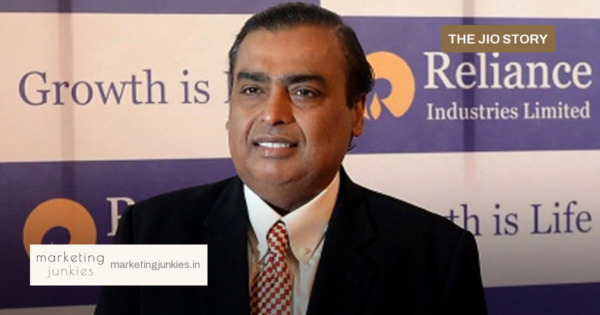
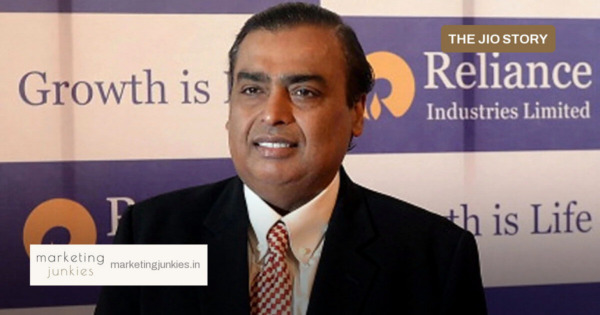
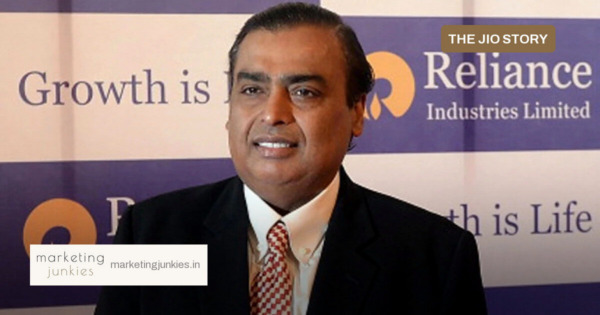
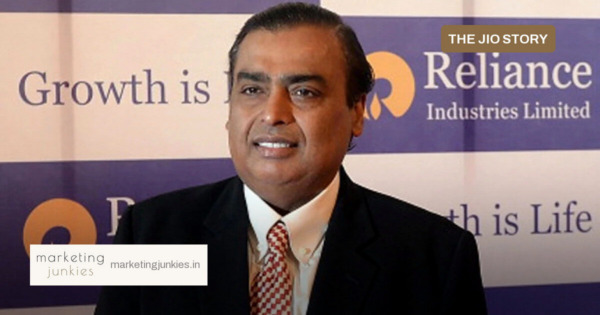
The backdrop is a change in what people worry about. In 2016, Jio launched with the Welcome Offer: unlimited 4G data, voice, video and apps (Reliance Industries). Reaching 100 million subscribers within 170 days showed how quickly a connectivity shift could become a consumption shift (company-reported; Reliance Industries Integrated Annual Report 2016-17).
The question asked around many Indian homes moved from ‘How much does data cost?’ to ‘What can we do with data?’ Nobody at a cricket night asks who will pay for the stream; they ask whose hotspot has the best signal. A web-series finale is planned around when the group can gather, not around a data pack. Wedding-season reels are shot, watched and judged as a collective exercise, often on the same connection that carries the evening.
Pop culture travels through one small screen
For marketers, the interesting layer is not the device but the gathering around it. The shared screen turns a personal recommendation into a public one, because reactions are visible and contagious. A line from a finale enters the room first and the group chat second. A cricket ad break becomes a live test of attention, with fourteen people noticing different things.
This is a different media environment from the single-viewer feed. The screen is negotiated, not owned. Content that survives a room is content built for pause, repeat and reaction. Formats that assume one pair of eyes can miss the second audience sitting just off-camera.
By March 2026, Reliance Jio Infocomm reports serving 524 million+ customers (company-reported). That scale sits behind an ecosystem spanning connectivity, entertainment, commerce, payments, devices, cloud and AI (Reliance Industries 48th AGM, August 2025). The everyday version is simpler: one connection, one screen, and a house full of people deciding together what deserves their evening.
What the shared-screen habit suggests
- Design for the room, not only the feed: local-language moments, clear sound and replay-worthy beats travel further.
- Treat group viewing as a media slot: finales, match nights and wedding-season windows are communal consumption peaks.
- Watch the second audience: the people gathered around the primary user often set the next day’s conversation.
Jio’s stated priorities—connect every Indian, bring digital services home, digitise businesses, and ‘AI Everywhere for Everyone’ (Reliance Industries 48th AGM, August 2025)—read differently when measured in these small nights. The final over, the finale reveal and the wedding reel are not separate platforms; they are the same living room, the same connection, the same shared screen.