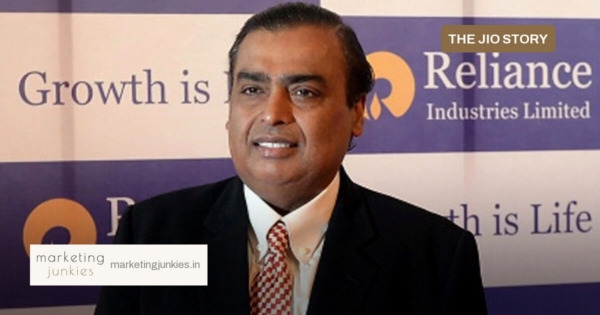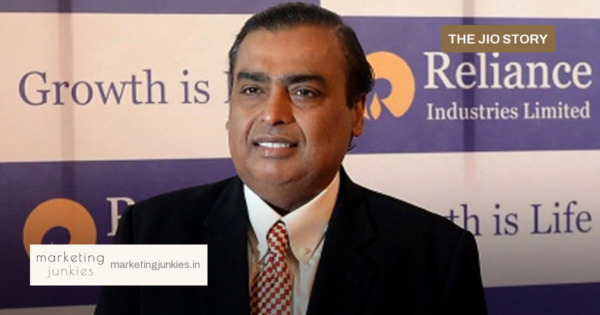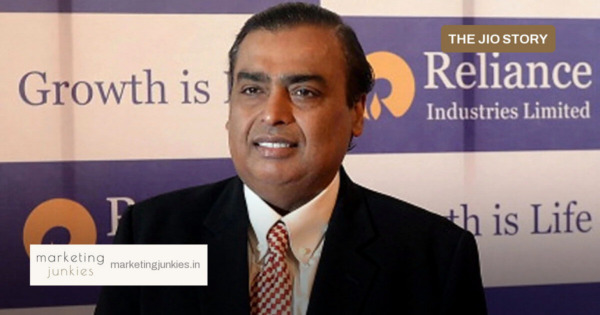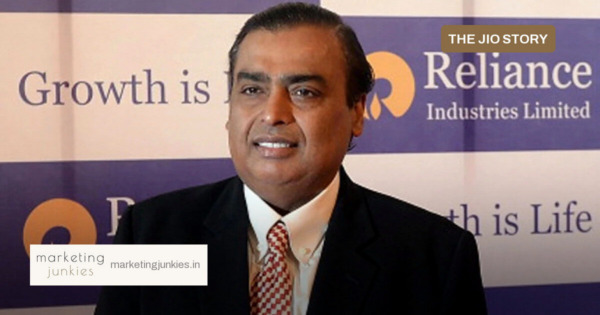
In 2016, Jio launched with the Welcome Offer: unlimited 4G data, voice, video and apps (Reliance Industries). At first, the story looked like a pricing move. With a little distance, it reads more like a masterclass in changing what a market worries about.
When the meter stopped being the message
Before the reset, data was marketed as a scarce resource. Consumers learned to check balances, stretch validity, and switch off video to save a few megabytes. Marketing plans were built around that anxiety; every recharge ad had to explain what you got before it could talk about what you could do.
The Welcome Offer inverted that logic. Unlimited 4G data, voice, video and apps made the cost invisible for long enough that people formed new habits around the phone. A student joined a late-night group call. A family video-called a relative without waiting for a festival. A shopkeeper checked inventory after closing. None of those moments were new possibilities in a technical sense. They simply stopped being decisions about data.
That is why the series keeps returning to one line: the question India asked moved from ‘How much does data cost?’ to ‘What can we do with data?’ For marketers, that is not nostalgia; it is the noise-to-signal shift of the decade.
What the 170-day pace actually taught us
Jio reached 100 million subscribers within 170 days of launch (company-reported; Reliance Industries Integrated Annual Report 2016-17). That number is easy to file under distribution and network scale. But the marketing takeaway is more useful than the speed itself.
When a service stops being measured by the unit people feared losing, adoption becomes a social story. People did not need to be convinced to consume data; they needed permission to use the phone the way their day already wanted to use it.
Three lessons stand out:
- Remove friction, then ask for attention. The offer made usage feel safe before it asked anyone to choose a plan.
- Let ordinary rituals carry the message. The first long video call or the first full match on a phone did more than a tariff table ever could.
- Treat access as creative territory. When data stops being scarce, the marketing brief moves from price to possibility.
The Welcome Offer did not teach marketers to give everything away. It taught them to design a trial that feels like the product, not a countdown to a payment.
The brief that outlived the tariff war
Today, Jio serves 524 million+ customers (Reliance Jio Infocomm, March 2026; company-reported). Its ecosystem spans connectivity, entertainment, commerce, payments, devices, cloud and AI (Reliance Industries 48th AGM, August 2025). The company’s stated priorities include connecting every Indian, bringing digital services home, digitising businesses, and ‘AI Everywhere for Everyone’ (Reliance Industries 48th AGM, August 2025).
Even so, the 2016 marketing lesson remains close. People do not fall in love with a meter. They fall in love with the ordinary life that happens when the meter stops interrupting. Brands that understand this sell the next habit, not the next recharge.
For today’s marketers, the Welcome Offer is a reminder to ask a more useful question before writing a campaign: What would my product do if the customer forgot what it cost? The answer is usually the real brief.