Fourteen people around one phone is not a connectivity problem. It is a viewing strategy.
It starts with a cricket night: one stream, many shoulders, every appeal debated before the replay. It repeats with a web-series finale, when the friend with the smoothest connection becomes the venue. By wedding season, there is no single viewer at all. There is a choreographer, a bridesmaid group chat, and reels planned, shot and posted before the sangeet ends.
These are not separate habits. They are the same story, at its most visible.
The high-intensity arc
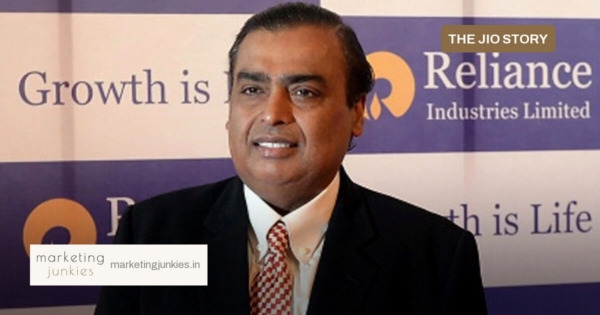
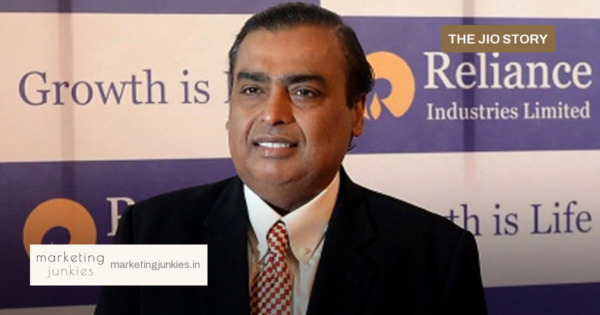
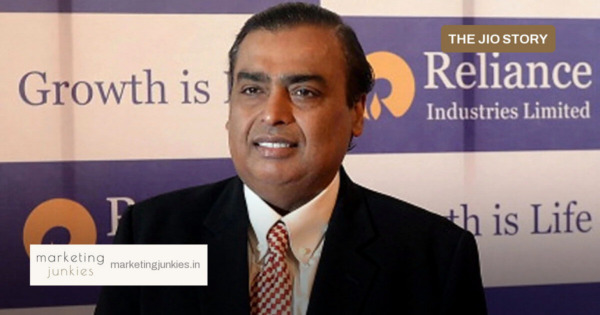
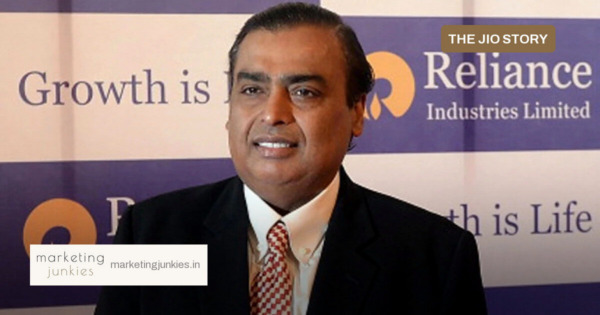
In 2016, Jio launched with the Welcome Offer: unlimited 4G data, voice, video and apps, as reported by Reliance Industries. Within 170 days of launch, the company reported 100 million subscribers in the Reliance Industries Integrated Annual Report 2016-17.
The shift was not just about price. It changed the question millions of people asked. The series framing line has long been that India moved from asking how much data costs to asking what can be done with data.
But the real answer was not individual. It was collective. Cheap, always-on access turned a single screen into a shared surface. A cricket match did not need a television. A finale did not need a theatre. A wedding highlight did not wait for an album.
Why group viewing matters for marketers
For marketing and media teams, shared viewing changes what attention means. A campaign that reaches one phone can hold a room. A piece of content that survives the group chat travels further than a single like. Marketing briefs have to account for the room, not just the user.
- Attention is collective: one device can represent fourteen viewers and fourteen possible recommendations.
- Culture travels through re-watches: a moment gets replayed, forwarded and recreated across platforms.
- The shared context outlasts the upload: people remember the room, the noise and the pause before a climax.
From one phone to an ecosystem
The company-reported customer base now stands at 524 million+ customers as of March 2026, according to Reliance Jio Infocomm. What began as a data reset has grown into an ecosystem spanning connectivity, entertainment, commerce, payments, devices, cloud and AI, as outlined at the Reliance Industries 48th AGM in August 2025.
The stated priorities remain straightforward: connect every Indian, bring digital services home, digitise businesses, and push towards what Reliance Industries calls ‘AI Everywhere for Everyone’. In the everyday, that means the cricket night, the finale and the wedding reel will keep finding faster, sharper and more personal ways to arrive.
What’s next
The next high-intensity phase is less likely to be about a single breakthrough than about layers: a match streamed on one device, a highlight clipped by voice command, a reel assembled from the same evening, a payment split among friends. The technology fades into the gathering.
For marketers, the lesson is not to chase the device. It is to design for the moment that gets shared. The most powerful placement is still the moment someone turns the phone so the person next to them can see.