

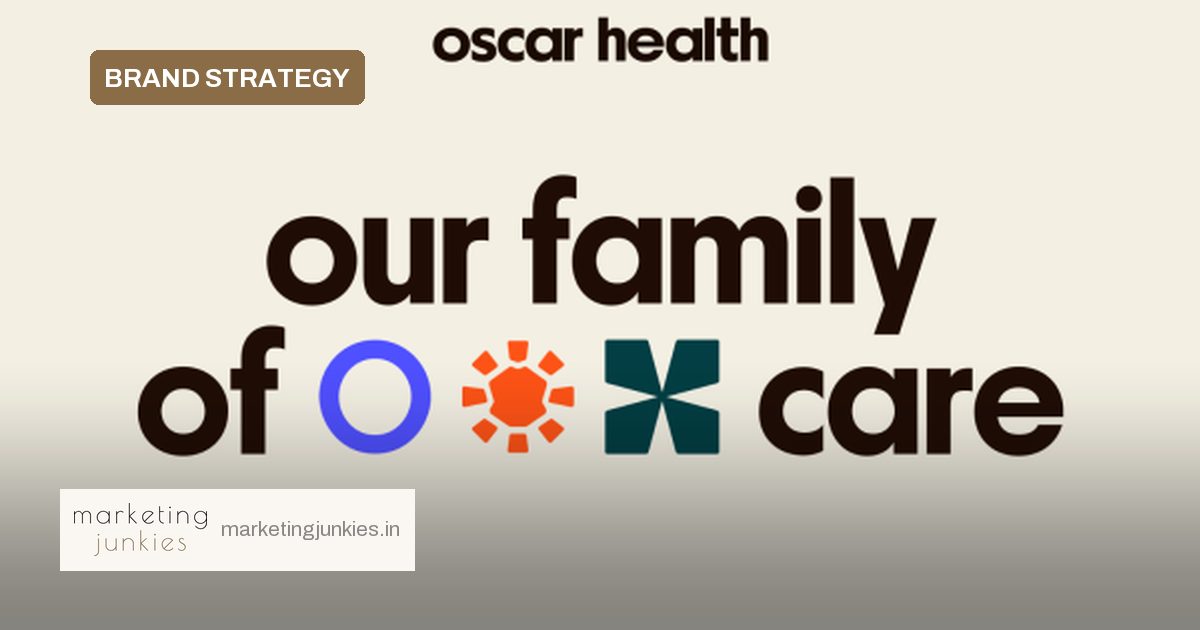
Oscar Health is restructuring into a parent brand with three distinct units, signaling a bigger bet on consumer-style marketing in a category that often feels bureaucratic and hard to navigate.
The move is a notable example of brand architecture in action: a single corporate name splitting into focused sub-brands rather than stretching one master brand across unrelated jobs.
A parent brand and three names to know
As of Thursday, Oscar Health is the umbrella brand for Oscar Insurance, Lucie, and Trove Group. Oscar Insurance remains focused on individual coverage and member experience. Lucie is a new retail-style marketplace where consumers can compare, assemble, and add coverage. Trove Group is a licensed health insurance agency that connects brokers with coverage providers.
Executives also told investors that Oscar plans to offer individual and small business coverage in 400 to 600 new counties by 2029, expanding its reach beyond the individual market it has served since 2012.
Why “choice chaos” is the target
CMO Kristen Prestano said the company’s mission has not changed: giving consumers power and confidence in healthcare decisions. Lucie, she said, is designed to turn “choice chaos” into a more intuitive shopping experience—closer to browsing Amazon or using a ChatGPT-style sidekick.
That framing matters for marketers. Instead of simply selling a plan, Oscar is positioning Lucie as a decision-support tool. Customers can compare medical plans beyond Oscar Insurance and bundle supplemental products such as vision, dental, and family coverage.
DTC tactics meet insurance
Behind the rebrand, Oscar is borrowing pages from DTC and SaaS playbooks: beta testing, analytics, and an in-house agency that serves as a test bed. Trove works with brokers nationwide to streamline access to ACA and supplemental products, feeding insights back into Lucie.
Prestano noted that the Affordable Care Act shifted purchasing power from employers to individuals in 2012, giving Oscar its original opening. Now the company is doubling down on that individual-choice promise with a marketplace that is not limited to Oscar Insurance.
For marketing leaders, the rebrand offers a few takeaways:
- Use brand architecture to clarify distinct jobs: insurance, marketplace, and broker enablement.
- Treat complex purchases as experience-design problems, not just awareness campaigns.
- Test a platform like Lucie with real users before scaling DTC-style marketing.
The campaign connection
Oscar’s “Made for Real Life” campaign, created with agency BUCK, already leans into real customer stories and the “beautiful messiness” of life rather than sanitized industry imagery. The audience reflects who is actually shopping: early retirees, small business owners, and gig workers.
Looking ahead, Oscar may need to advertise Lucie separately from its flagship insurance brand. Lucie’s potential market is wider than Oscar Insurance’s customer base, and the team will likely decide between a broader retail approach and the story-driven work that has defined Oscar so far.
For marketing students and practitioners, the takeaway is practical: when a product’s user base could be larger than a single brand’s audience, separate the tool from the logo. Lucie is the test of whether a health insurance marketplace can behave like a retail sidekick rather than a chore.
Source: Adweek