A shared screen started a pop culture decade
Before the match, the finale cliffhanger or the wedding choreography, there was often a smaller moment: whose connection could carry the evening? A cricket night could mean fourteen people round one phone. A web-series finale turned one screen into a crowd. Wedding-season reels made relatives into directors and audiences at once.
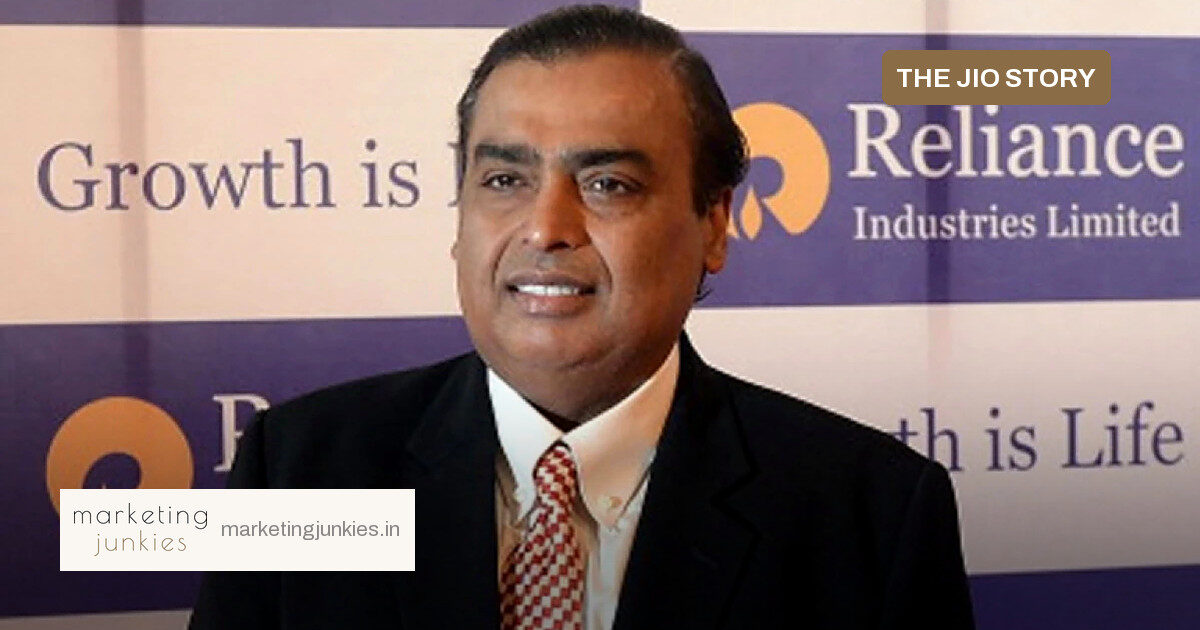
The backdrop is well documented. In 2016 Jio launched with the Welcome Offer: unlimited 4G data, voice, video and apps (Reliance Industries). Jio reached 100 million subscribers within 170 days of launch (company-reported; Reliance Industries Integrated Annual Report 2016-17). Jio now serves 524 million+ customers (Reliance Jio Infocomm, March 2026; company-reported).
Pop culture became a group ritual
What changed was not just access; it was where attention gathered. Viewing became social before it became personal. The same connection could carry a cricket stream, a finale watch party, and the reel a cousin shot for the wedding group.
In practice, this looked ordinary: someone held a phone steady over a table, another person controlled the pause, a third translated a line for a grandparent. But the ordinary acts accumulated into a new media behaviour. The screen was no longer a solitary viewer’s interface; it was a small public square for the people in the room.
- Cricket night: one phone propped up, a room packed round it, a single stream holding the match.
- Web-series finale: the living room screen became a crowd, with pause negotiations and watch-together rituals.
- Wedding season: reels moved from shot list to shared memory, with relatives as creators and audience.
- The common thread: one connection hosted the moment, without rationing.
Why the gathered screen matters to marketers
The shared screen was one of the quiet shifts of the decade. It changed distribution logic: formats that could be passed around, replayed and made local won. It changed the role of creators, who became family members and friends, not just internet names. It also changed timing; the live match and the finale were not only content drops, they were collective appointments.
That reworking of viewing habits matters because attention became a room, not just a feed. A brand or creator who could join that room, in the right language and at the right moment, could become part of the evening rather than an interruption.
The decade’s real marketing shift
Jio’s ecosystem today spans connectivity, entertainment, commerce, payments, devices, cloud and AI (Reliance Industries 48th AGM, August 2025). Its stated priorities include connecting every Indian, bringing digital services home, digitising businesses, and ‘AI Everywhere for Everyone’ (Reliance Industries 48th AGM, August 2025).
The customer question moved from ‘How much does data cost?’ to ‘What can we do with data?’ The pop culture moments of the decade were not only watched; they were gathered around. The connection became the room.
For marketing professionals, the practical takeaway is to plan for the shared moment as a distribution surface: build for the pause, the replay, the forwarded clip and the family group chat. A decade later, the most memorable campaigns may be the ones people watched together.