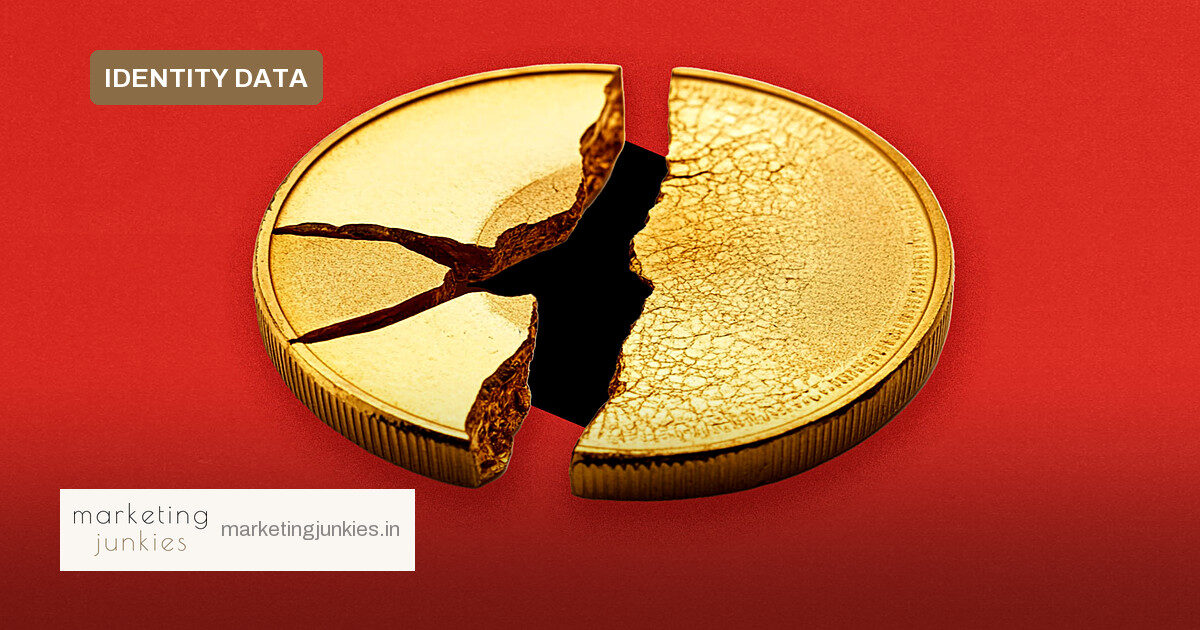
Liquid Death has stopped using LiveRamp as its identity graph, and its chief media officer says the decision is about competitive advantage rather than privacy. Benoit Vatere confirmed the brand cut ties with the adtech provider in early August after roughly 18 months, weeks after Publicis Groupe’s plan to acquire LiveRamp became public.
At the centre of the move is a simple worry: the buying patterns LiveRamp can observe should not end up inside a holding company that also advises brands Liquid Death competes with, including Evian and PepsiCo. Vatere told Digiday he does not want to “train or have them see that super valuable information” at the expense of his own market share.
What Liquid Death is actually trying to protect
LiveRamp’s role was to recognise the same consumers as they moved between screens and websites, so an ad seen on connected TV could be linked to later activity on a phone or a retailer’s site. That showed Liquid Death which ads were driving purchases.
Vatere says names and email addresses are not the main concern. The bigger fear is that purchase patterns could be swept into the data Publicis uses to train its AI tools, and then shape strategic calls for competing clients. He expects deal terms to evolve: regulatory constraints such as the FTC’s five-year oversight, in his view, do not remove the underlying incentive.
A wider identity problem for brands
The Liquid Death stance isn’t isolated. Forrester analyst Nikhil Lai said clients are less worried about privacy breaches than about indirectly aiding competitors through Publicis Groupe. His line: privacy-safe and structurally neutral are “no longer synonymous.”
That distinction matters for marketers. A vendor can keep data secure while still sitting inside a network whose incentives conflict with yours. The practical question becomes whether your identity graph is truly independent or just one more asset in a rival’s intelligence stack.
- Audit ownership: Check whether your identity or clean-room vendor is owned by a holdco that serves direct competitors.
- Contract for exits: Ask independent providers for a change-of-control clause that ends the deal and deletes your data if they are acquired.
- Map the market: WPP and Omnicom have already stepped away from LiveRamp, so alternatives and pitches are intensifying.
Vatere has already ruled out holdco-owned options, including Omnicom’s Acxiom, which approached Liquid Death. His ask to any independent successor is the same: a clause that pulls the plug on ownership change.
Deadlines, alternatives and the $800 million question
Liquid Death’s LiveRamp contract ends at the end of the year, and Vatere says building an in-house identity graph is not realistic for the brand. “I cannot do without it right now,” he told Digiday. The search is therefore active.
Rivals have been pitching since the Publicis-LiveRamp deal was first reported, and Vatere’s LinkedIn post drew a connection request from LiveRamp’s own CEO. But he says only a reversal of the deal would win him back—and that ship has sailed.
Ebiquity CEO Ruben Schreurs offered a counterpoint: agency conflicts can be managed, and he believes the LiveRamp concern is “a little overplayed.” Clients may also have less choice than they think. Competitors and non-Publicis businesses make up roughly 5% of LiveRamp’s $800 million annual revenue, so a handful of defections may not change Publicis’s calculus.
The longer-term question is whether enough marketers follow Vatere’s lead. If identity data is the intellectual property that gives a brand its edge, writing stronger exit and neutrality terms may become as routine as negotiating media prices.
Source: Digiday