
For years, the khata was the kirana’s memory. A customer walked in, the shopkeeper pulled out a slim notebook, and the day’s small credit was recorded in ink. That memory stayed on the counter, vulnerable to damp, damage and distance.
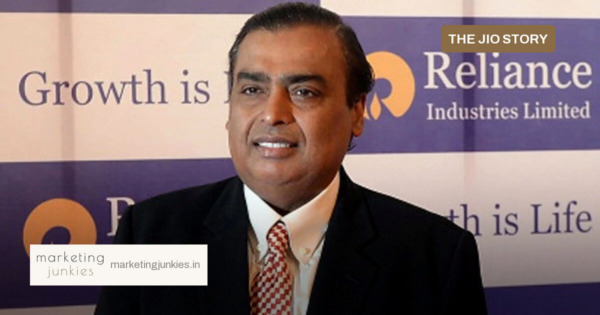
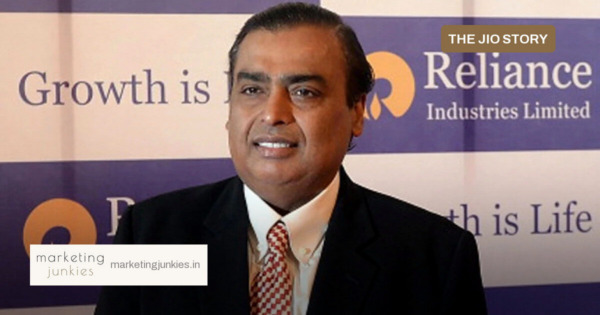
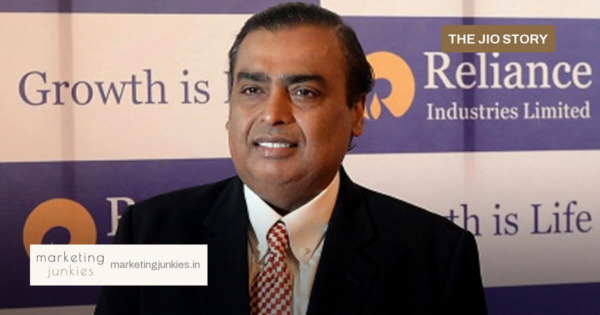
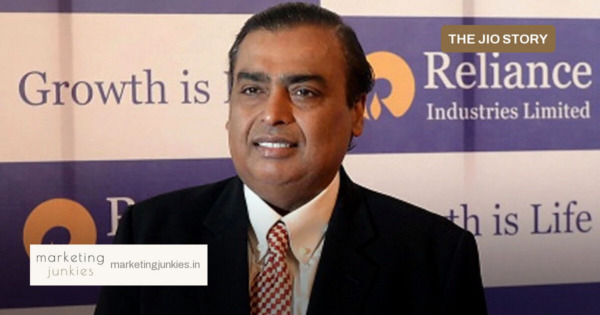
Then the plumbing of everyday commerce changed. In 2016, the Welcome Offer brought unlimited 4G data, voice, video and apps into Indian hands (Reliance Industries). For a small shop, that was not a telecom event; it was a reason to look up from the counter.
The khata becomes a cloud layer
Digitising a kirana never meant replacing the owner. It meant moving the ledger, order list and customer follow-ups to apps that live on a phone. For many shops, the first step was simple: record a credit entry, send a payment reminder, track a delivery, or show products on a screen instead of from memory.
The change is visible in small routines. A shopkeeper can see what a regular customer usually buys without flipping pages. A new helper can learn the shop’s rhythm faster. A customer can ask whether a product comes in a bigger pack and get an answer from a catalogue on the phone, not from a glance at a shelf.
- Customer names and past purchases are searchable, not remembered fragment by fragment.
- Reminders and receipts move to messaging apps, reducing awkward follow-ups.
- Ordering from suppliers can happen from the same phone that runs the business.
- The counter remains personal, even when the ledger is shared across devices.
What shifts for the shop, and for the shopper
The kirana’s real advantage was never just proximity. It was context: knowing the family, the festival, the brand preference, the delayed payment. Cloud tools extend that context. A missed call becomes an order; a previous purchase becomes a suggestion; a payment update reaches the customer before they ask.
For shoppers, the main change is quiet. The shopkeeper still greets you by name. The difference is that the interaction ends with a digital entry, a reminder on your phone and a record you can check. The trust stays, but it is backed by a system instead of one person’s memory.
The next habit after connectivity
Jio’s stated priorities now include digitising businesses and making AI available to everyone, alongside connecting every Indian and bringing digital services home (Reliance Industries 48th AGM, August 2025). The scale behind that ambition is broad: Jio serves 524 million+ customers (Reliance Jio Infocomm, March 2026; company-reported), and its ecosystem spans connectivity, entertainment, commerce, payments, devices, cloud and AI.
India’s digital question has moved from “How much does data cost?” to “What can we do with data?” For a corner shop, the answer is not a new business model. It is a better memory, and a customer who leaves knowing the shop will remember next time.