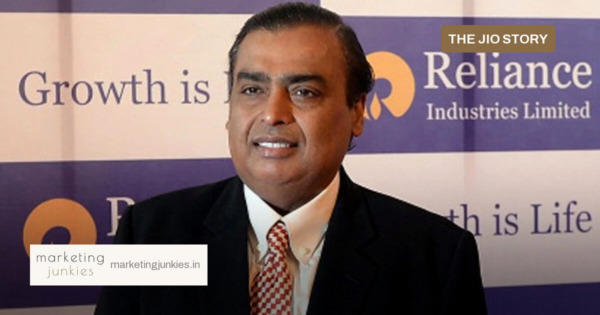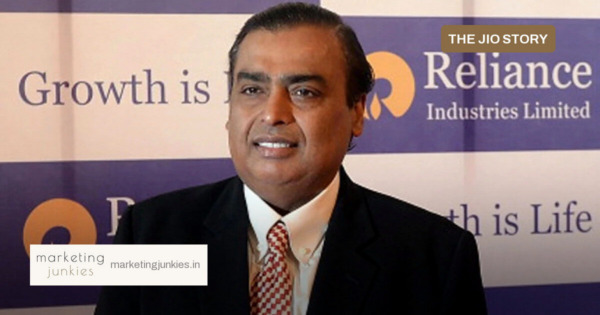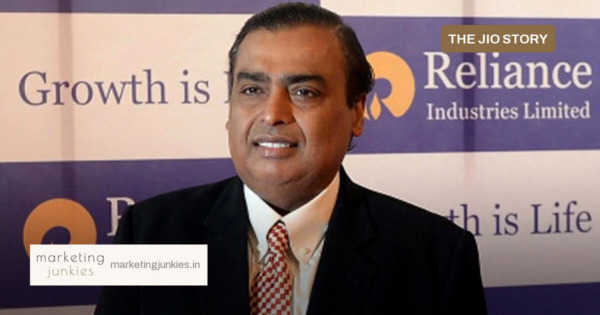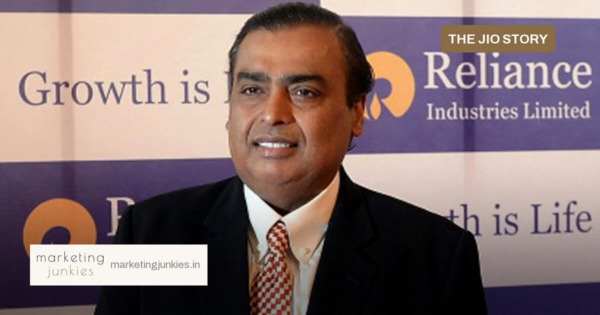

For years, the first question was ‘How much does data cost?’ The more useful question now is ‘What can we do with data?’ That shift is visible not in dashboards but in daily life: the saved megabyte, the late-night stream, the kirana shop’s second memory, the first reel, and Dadi’s face on a video call.
The data saver’s new mental math
Before 2016, a data saver knew the cost of every video. The Welcome Offer—unlimited 4G data, voice, video and apps, launched by Reliance Industries in 2016—reset that internal meter. Saving didn’t disappear; it changed. Instead of rationing, people began curating: which app deserves background data, which download waits for Wi-Fi, which video gets watched twice.
For marketers, that behaviour is a quiet signal. Data consciousness didn’t die; it shifted from scarcity to selection. The saver is still watching, but the decision is now about attention, not bytes.
The midnight binger’s queue
When data stopped being the constraint, the queue became the pleasure. A binger waits for the house to go quiet, plugs in earphones, and lets a series run. The old worry—will this finish my pack?—became ‘one more episode.’ The habit is no longer about access. It is about release.
That change matters for content and media planning. Late-night audiences are no longer a small premium slot; they are a daily behaviour, with the same expectation of instant start and no buffering.
The kirana owner’s second counter
The kirana owner going digital doesn’t throw away the khata. The paper record stays for trust; the phone adds payments, orders, and a customer list. Connectivity, commerce and payments now live in the same pocket as the shop’s daily routine.
This is business digitisation at its most human. It doesn’t arrive as a software rollout. It arrives as a shopkeeper checking a message from a customer who used to call, or a delivery order after closing time.
The first-generation creator’s window
The first-generation creator didn’t wait for a studio. A phone camera, an audience, and reliable data became a small media house. The craft is learned in public: a better frame, a sharper hook, a loop that holds. The pressure is not the equipment; it is the next post.
For brands, this creator economy is less about celebrity and more about access. The creator is both audience and channel, building habits around formats that change faster than media plans.
Dadi’s first video call
Dadi on her first video call doesn’t say much about technology. She mentions the food, the light, the small delay before a laugh arrives. What she notices is the presence, not the network. The call becomes a memory because it worked quietly in the background.
That is the quiet part of the stated priority from Reliance Industries’ 48th AGM in August 2025: connect every Indian, bring digital services home, digitise businesses, and take ‘AI Everywhere for Everyone.’ The most meaningful use may be the one that doesn’t feel like technology at all.
What marketers can keep from these five lives
These are not demographic segments. They are habit shifts. The useful question for a brief is not ‘How much will they consume?’ but ‘Which daily ritual does the product join?’
- The data saver shows attention is the new currency.
- The midnight binger shows demand is time-shifted and always-on.
- The kirana owner shows digital trust can build on an offline khata.
- The first-generation creator shows audience access is distribution.
- Dadi’s call shows the best utility disappears.
In 2016, Jio reached 100 million subscribers within 170 days of launch, company-reported. Reliance Jio Infocomm’s March 2026 figure is 524 million+ customers, company-reported. The numbers matter less than the ordinary moments they made possible: the queue, the shop, the reel, the call.