Ask someone about their first video call home and the details blur—network bars, a kitchen wall, a relative waving too close to the lens. The memory is not precise, but it is shared. That is the psychology marketers should notice: collective nostalgia is less about what happened and more about who else can nod along.
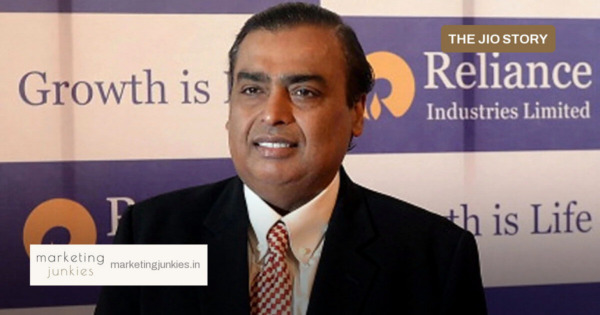
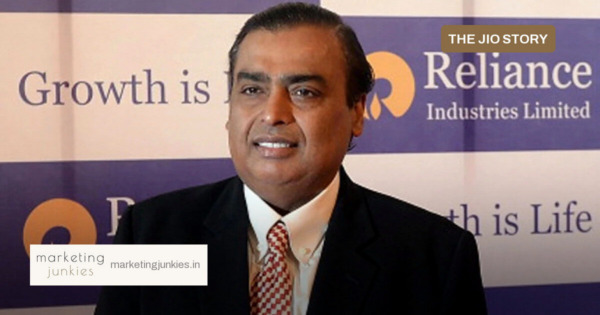
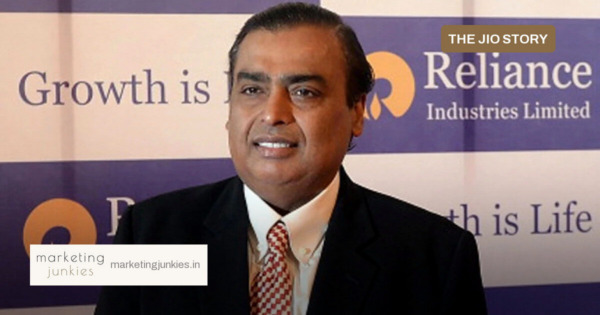
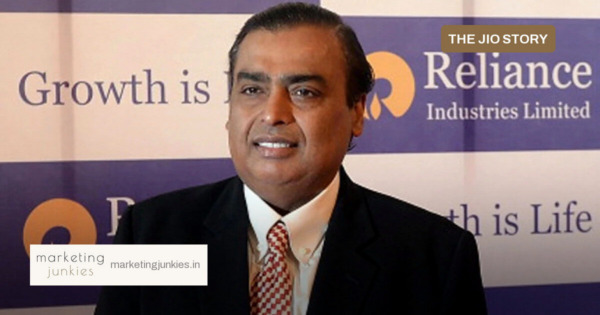
The 2016 data moment gave millions of Indians a common timestamp. In 2016, Jio launched with the Welcome Offer: unlimited 4G data, voice, video and apps, Reliance Industries reports. The service reached 100 million subscribers within 170 days of launch, company-reported. A personal first—a call home without worrying about the clock—turned into a public memory.
A timestamp nobody fact-checks
Collective memory works like a shared template. People remember the emotional beat, not the fine print: the nervous pause, the familiar voice, the sudden feeling that distance had shrunk. Because the beat is simple, thousands of small variations fit inside it.
For marketing, that template is valuable. It lets a brand show up in a memory that already belongs to the audience. The job is not to invent the moment; it is to recognise the moment people already retell.
Why 2016 reads as collective nostalgia
The year became a before-and-after line. The question India asked moved from “How much does data cost?” to “What can we do with data?” That shift is the series’ framing, not a statistic, but it captures the cultural reset. A welcome offer is a market move; the memory of it is a media layer.
Shared memories spread because they are easy to finish. One person starts, “My first video call home…” and someone else completes the story with their own version. The brand’s role in that story is quiet: it provides the connection, but the meaning belongs to the caller.
How brands can build on a memory
Shared memory is not a campaign asset to claim. It is a cultural surface to extend. Brands can use it without forcing a slogan:
- Find the shared timestamp — a first call home, a festival feed, a shop going online.
- Mirror how people retell it — use the audience’s words, not the brand’s category language.
- Keep the template open — leave room for personal details so each retelling feels like the teller’s own.
The 2016 moment still works because it stays personal while being common. Jio’s ecosystem today spans connectivity, entertainment, commerce, payments, devices, cloud and AI, Reliance Industries stated at its 48th AGM in August 2025. Even as the services widen, the earliest shared memory remains a reference point. Marketers who treat memory as infrastructure, not nostalgia bait, can build on it longer.
That is the deeper lesson for our beat: a shared memory outlasts a campaign because it belongs to the audience, not to the media plan.