A shared memory does something a media plan cannot quite replicate: it gives millions of people the same personal story at almost the same time.
In India, the first video call home is one of those stories. It usually starts with a phone, a new connection, and a relative on the other side who is not quite ready to be seen. Very quickly, the moment stops being about technology and becomes about family.
The 2016 reset became a reference point
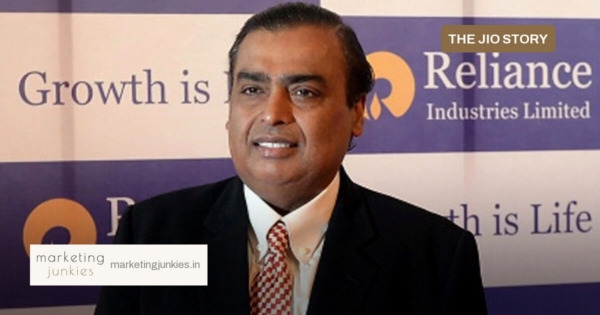
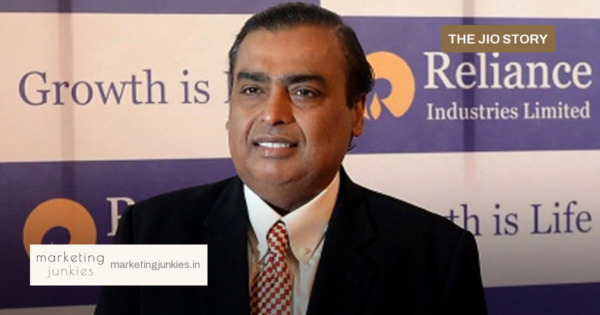
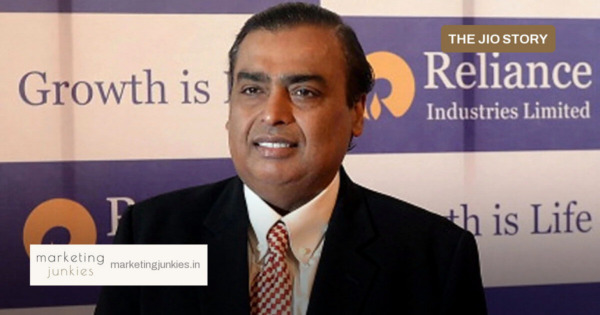
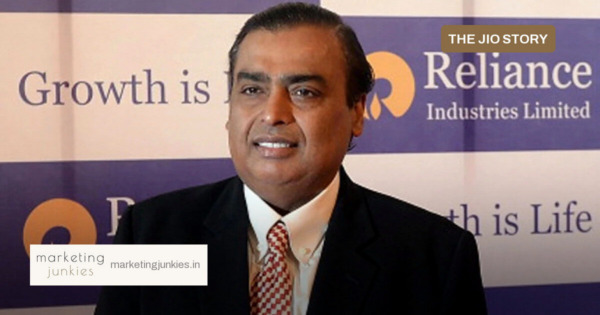
Jio launched in 2016 with a Welcome Offer of unlimited 4G data, voice, video and apps, as Reliance Industries described it. The company reported reaching 100 million subscribers within 170 days of launch. For many users, that period was not remembered as pricing. It was remembered as the first time data stopped being rationed.
What made it collective was speed with scale. A personal first became a generational one because it happened to a large number of people at the same time.
Why shared memories are brand fuel
A personal memory is private. A shared memory is a reference point. When someone says “my first video call home,” others nod before they say a word. The brand does not have to explain the context because the audience already carries it.
Shared memories tend to follow a sequence:
- a daily friction disappears: the meter, the timer, the pause before the call;
- an emotionally charged first happens: the call home, the festival feed, the early creator upload;
- the story is retold until the technical details fade and the feeling remains.
That last step matters. People forget the data pack, the speed, the offer. They remember the face on the screen. A brand that reinserts specs into that memory usually interrupts it. A brand that recognises the feeling can join it.
Borrowing the feeling, not the fact
At its 48th annual general meeting in August 2025, Reliance Industries described Jio’s ecosystem as spanning connectivity, entertainment, commerce, payments, devices, cloud and AI. Reliance Jio Infocomm reported serving 524 million+ customers as of March 2026. But the marketing value of that scale is not only reach. It is the presence of a common memory across many different audiences.
The question India asked moved from “How much does data cost?” to “What can we do with data?” The same shift applies to brand storytelling. The opportunity is not to sell the memory again. It is to understand what the audience already associates with it, and to make the next moment feel like part of the same story.
That is why shared memories remain a quiet brand asset. They cannot be briefed, bought, or manufactured. They can only be respected, extended, and, at the right moment, retold.