The best seat at a cricket night was never the chair. It was the floor, the stair or the table edge closest to the one phone that had the stream. In rooms across India, one connection turned a chase into a small public square.
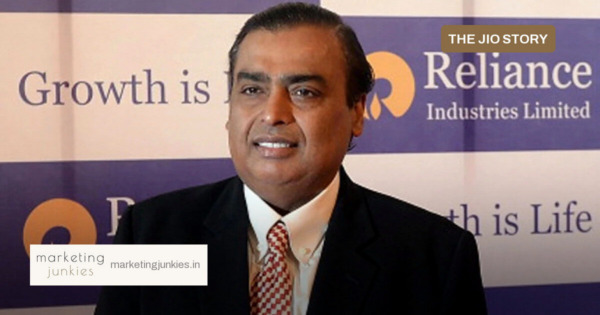
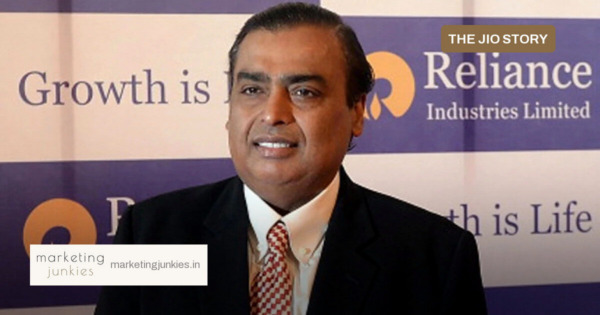
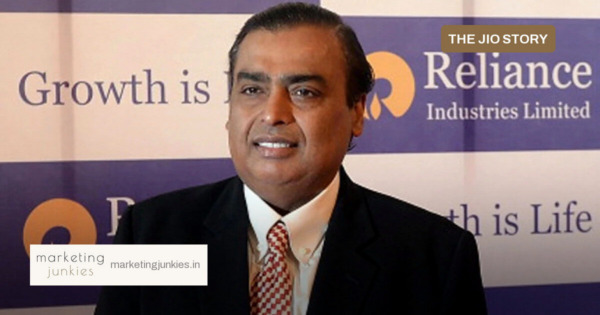
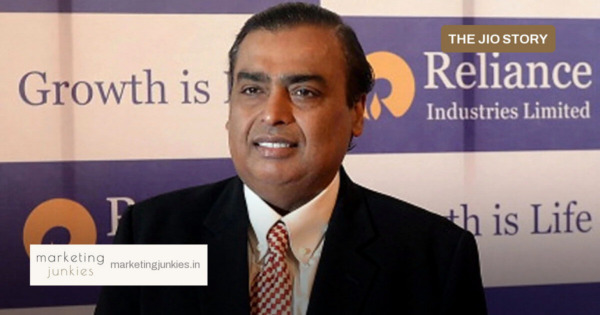
The Jio Story is less about a network and more about what people do when data stops being the gatekeeper. In 2016, Jio launched with the Welcome Offer: unlimited 4G data, voice, video and apps (Reliance Industries). The company reached 100 million subscribers within 170 days of launch (company-reported; Reliance Industries Integrated Annual Report 2016-17). The visible business news was scale. The visible daily habit was company.
Cricket night: the huddle moved to one screen
Fourteen people around one phone is not a compromise. It is a layout. Someone handles the stream, someone guards the charger, someone narrates the score, and the room reacts together. The phone did not become a private screen; it became the meeting place.
For marketers, this changes the unit of consumption. A single view may be fourteen attention-holders, one cold drink round, and a highlight clipping sent to a family group before the last over. The room becomes the audience.
The web-series finale became a group event again
Before cheap data, the finale was a downloaded file watched alone or a TV appointment at home. The shared-screen habit turned the finale back into an event: friends syncing one phone, a late-night watch at the tea stall, and the next morning spent arguing over the ending. One connection removed the buffer and the isolation at the same time.
Today, Jio serves 524 million+ customers (Reliance Jio Infocomm, March 2026; company-reported). Its ecosystem spans connectivity, entertainment, commerce, payments, devices, cloud and AI (Reliance Industries 48th AGM, August 2025). That means the same connection carrying the finale can also order the snacks, split the bill and push the after-scene to friends.
Wedding-season reels are the new wedding card
A wedding now has many cameras and no director. Guests film the same dance floor from ten angles, edit in the car, and post before the couple leaves the stage. It is not vanity; it is a ritual. The network becomes the distribution channel for moments the official agency brief never planned.
- The cricket match is no longer only watched; it is narrated to the room.
- The finale is no longer only streamed; it becomes a small live event.
- The wedding is no longer only attended; it is cut into a hundred short memories.
From 2016 to what comes next
When Jio reached 100 million subscribers in 170 days, the visible story was reach. The longer story is cultural: the question India asked moved from ‘How much does data cost?’ to ‘What can we do with data?’ (the series’ framing line). Jio’s stated priorities now point to connecting every Indian, bringing digital services home, digitising businesses, and ‘AI Everywhere for Everyone’ (Reliance Industries 48th AGM, August 2025).
That next arc may make AI an invisible co-host in the same shared rooms: summarising the match, translating commentary, stitching the wedding clips. The huddle is not likely to fade; it may simply become smarter.
For marketing, the lesson is practical: build for the room, not only the feed. The biggest screen in India has always been the one people gather around. The connection just made it portable.