In 2016, a typical digital day in India often began with a small calculation: how much data is left, how long will this download take, and which cyber cafe seat is free. By today, much of that calculation has vanished. The shift is not only about speed. It is about a new default: a phone in every pocket and a connection that no longer asks to be rationed.
The queue moved from the bench to the pocket
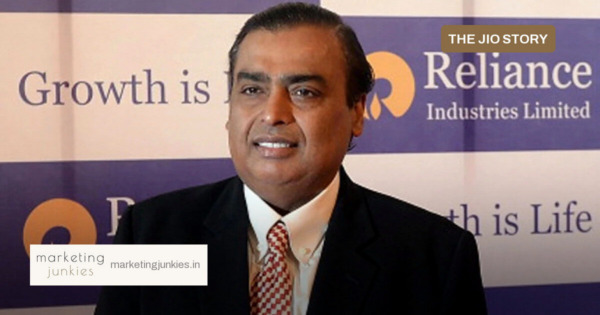
The cyber cafe was a destination. It had a queue, a clock, and a shared screen. People timed their visits, saved their work, and carried data like a scarce household item. When the 2016 Welcome Offer brought unlimited 4G data, voice, video and apps, according to Reliance Industries, the counter started to lose its power. Jio reached 100 million subscribers within 170 days of launch, company-reported in Reliance Industries Integrated Annual Report 2016-17. That pace was a sign that the market was ready for a different daily rhythm.
Today, the queue has moved inside the pocket. It appears at the start of a video call, in a classroom group chat, at the kirana counter, and in the first screen a family shares during festival season. The data meter is rarely the first question.
The everyday shifts marketers should read
- Data decisions moved from ‘How much does data cost?’ to ‘What can we do with data?’
- The first screen changed from a shared desktop bench to a personal device in hand.
- A metered utility became an invisible layer behind feeds, chats, payments, maps and video.
- Attention remains scarce even when megabytes are not.
What the pocket changed for briefs
For marketing readers, the useful insight is behavioural. The old brief often assumed a cautious user: auto-play off, downloads at night, files sent only when necessary. The new brief starts with a user who already lives inside the feed, the chat, the search and the payment app. The gate is not data cost; it is attention and relevance.
That does not mean every user has the same experience. Rural and urban, young and old, first-time and always-on users take different paths. But the common line is that the phone is now the starting point, not the special trip.
From a licence to connect to a daily layer
Jio now serves 524 million+ customers, company-reported as of March 2026. The company describes its ecosystem today as spanning connectivity, entertainment, commerce, payments, devices, cloud and AI. Its stated priorities, per Reliance Industries 48th AGM in August 2025, are to connect every Indian, bring digital services home, digitise businesses, and pursue ‘AI Everywhere for Everyone’. Read as a consumer shift, that arc turns scarcity into routine. The cyber cafe did not disappear because people stopped needing shared screens; it disappeared because the shared screen came home in a smaller form.
The question India asked moved from ‘How much does data cost?’ to ‘What can we do with data?’ For marketers, that is the real then-vs-now brief: design for a connected pocket, not a rationed minute.