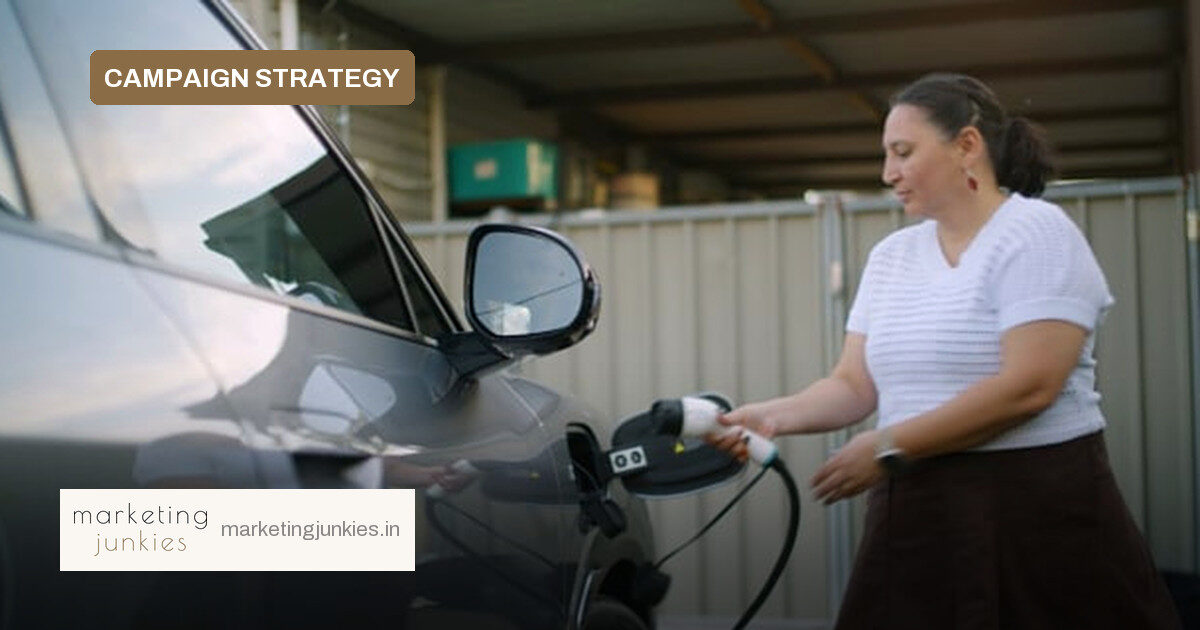
The National Automotive Leasing and Salary Packaging Association (NALSPA) has launched a national campaign called Keep the EV Tax Discount to protect Australia’s Electric Car Discount. The push will run across television, Facebook, Instagram, YouTube and streaming platforms, and it lands as federal legislation proposes changes to the incentive from April 2027.
Instead of leading with emissions or climate language, the campaign makes the discount a household-budget story. NALSPA says the incentive is particularly popular with working Australians in outer suburban communities, where the savings can be the deciding factor in switching to an electric vehicle.
“About half of all EVs that Australians are buying today are with the help of the Discount, and many say they wouldn’t have made the switch without it,” said NALSPA CEO Rohan Martin.
Martin described the discount as Australia’s biggest driver of EV uptake. The campaign argues that the policy also supports reduced emissions, improved energy security and growth in the second-hand EV market.
The media plan and the coalition
NALSPA has set conservative reach projections for the campaign:
- 5 million views on Facebook and Instagram
- 4.1 million views on YouTube
- 7.9 million completed views through television streaming services
The campaign is supported by Rewiring Australia, the Electric Vehicle Council, Uniting, BaptistCare, First Nations Finance, automotive manufacturers and novated leasing providers. That coalition is notable because it takes the message out of an industry echo chamber and routes it through community, faith and workplace networks.
The $609M message
NALSPA says Australians buying EVs through the scheme will have collectively saved $609 million in fuel costs by Christmas. It is a deliberately concrete figure: it turns a tax policy into a pocketbook number that voters and legislators can feel.
Interestingly, the association is not asking for the discount to remain untouched. NALSPA supports proposed changes from April 2027 as a measure to ensure the incentive’s long-term sustainability. That gives the campaign a dual message—protect the core benefit while showing a willingness to accept sensible reform.
The marketing takeaway
This is policy marketing executed like a consumer product launch. The message starts with money saved, not mechanism. The media plan is reach-heavy but platform-specific, and the measurement language focuses on completed views rather than simple impressions.
For advocacy and brand marketers, the playbook is clear. Find the line that connects policy to personal budgets, bring in credible messengers outside your own industry, and judge success by whether people complete the message. In a crowded policy environment, that is what makes an abstract discount feel immediate.