The neighbourhood kirana has always run on memory: who takes credit, who buys extra on a festival day, which brand a regular prefers even when the label changes. For years that memory lived in a paper khata, and only the person behind the counter could read it.
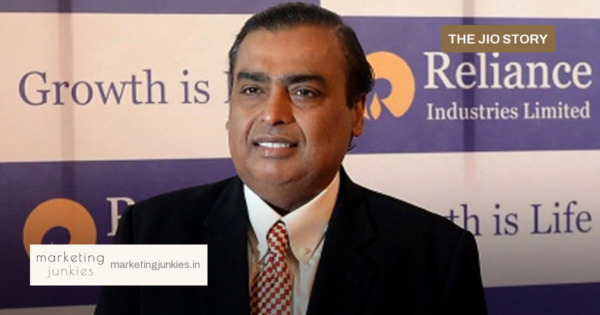
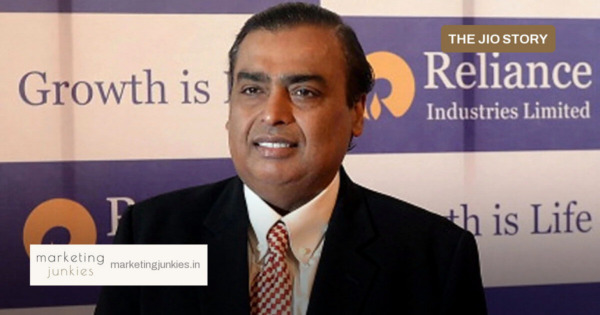
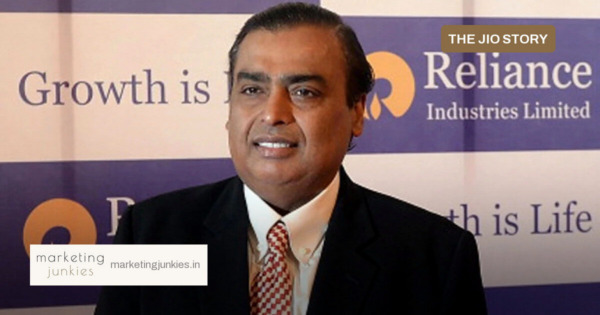
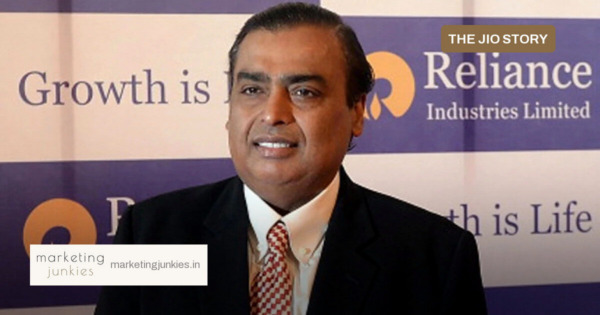
That changed when the counter got connected. In 2016 Jio launched with the Welcome Offer: unlimited 4G data, voice, video and apps (Reliance Industries). The offer reached 100 million subscribers within 170 days (company-reported; Reliance Industries Integrated Annual Report 2016-17). Suddenly the kirana owner did not have to ration data to search for a supplier, share a product photo, or send a payment request to a customer.
The khata becomes a living record
A paper khata tells you what was sold. A cloud record begins to tell you when it was sold, to whom, on which day of the week, and whether it led to a repeat order. That is the quiet change behind the digitisation of small business. The shopkeeper stops being a gatekeeper of a static ledger and becomes a reader of patterns.
As connectivity, commerce, payments and cloud moved into one ecosystem, the kirana counter turned into a small data hub. The question India asked shifted from “How much does data cost?” to “What can we do with data?” (the series’ framing line).
What moves from the paper khata to the cloud:
- Daily totals become customer histories that remember preferences and timing.
- Shelf counts become demand signals, so the shop orders closer to what the neighbourhood actually buys.
- Payment and delivery requests leave a trail the owner can act on between visits, even when the shop is closed.
What changes for the customer
The customer who once waited at the counter now often messages first, checks if an item is available, and asks for a doorstep drop. The shop may still know the family by name, but now it also knows the last order, the usual order size, and the polite timing of a reminder. That is not surveillance; it is the modern version of the old habit of keeping a box behind the counter for regulars.
For the neighbourhood, the change is less theatrical. The counter remains, the credit ledger may remain, but the memory travels. A family member in another city can place an order for the household. A customer who runs a small home bakery can send a bulk request without a paper chit. The kirana becomes a service layer, not just a shelf.
What marketers should watch next
The stated priority is now to digitise businesses and pursue “AI Everywhere for Everyone” (Reliance Industries 48th AGM, August 2025). For local commerce, that means the next layer is not just recording transactions but anticipating them. Jio’s ecosystem today spans connectivity, entertainment, commerce, payments, devices, cloud and AI (Reliance Industries 48th AGM, August 2025), and it serves 524 million+ customers (Reliance Jio Infocomm, March 2026; company-reported).
For marketing teams, the kirana’s cloud journey is a reminder that the most valuable local asset is not the products on the shelf but the relationships stored in the system. The brief is changing from mass reach to remembered service.
What began as a data plan is becoming a local operating system. The khata may still sit under the counter, but the counter now has a second memory that never closes.