The kirana counter has always been a place of memory. The shopkeeper remembers who buys tea, who takes credit, and when a family runs low on rice. For years, that memory lived in a paper khata and in the owner’s head.
For most of India’s small retail, that memory is the real infrastructure—not the shelf, but the trust stored in rows of pencil marks. Now a quieter shift is under way. The same counter is moving from the khata to the cloud, and the act of recording a sale is becoming an act of recognition.
The khata moves from paper to pattern
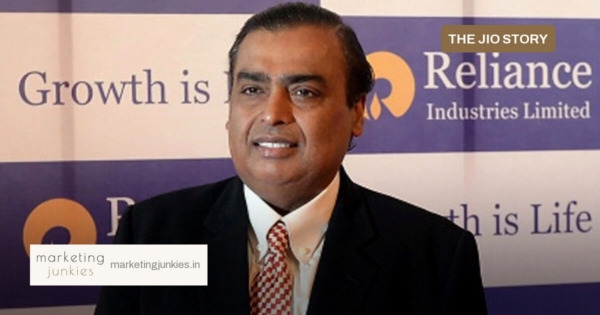
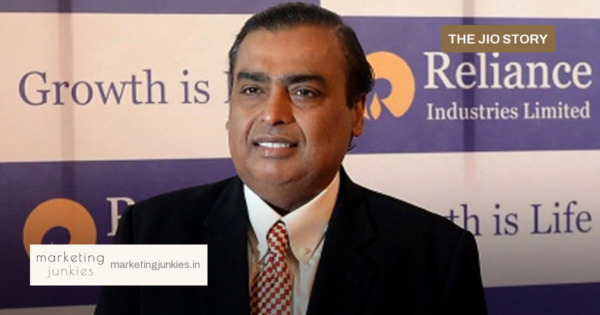
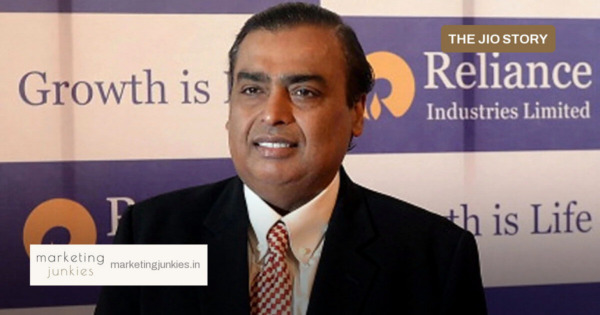
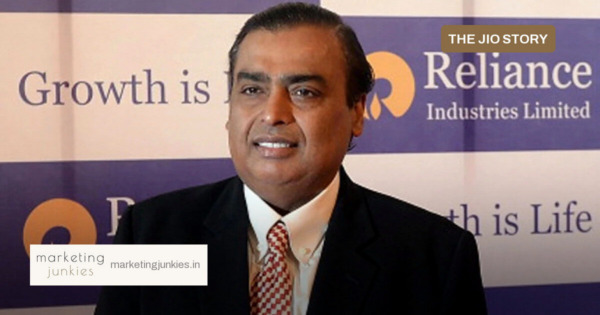
In 2016, Jio launched with the Welcome Offer: unlimited 4G data, voice, video and apps under one plan (Reliance Industries). It reached 100 million subscribers within 170 days, a company-reported figure in the Reliance Industries Integrated Annual Report 2016-17.
That abundance changed the default question from “How much does data cost?” to “What can we do with data?” For the corner shop, the answer arrived slowly: a digital ledger that records sales, credit, and repeat purchases without a phone call or an extra hour after closing.
What moves when the khata goes online
- The shopkeeper’s memory becomes a shared, searchable record.
- Credit is tracked in the ledger rather than carried only in the owner’s head.
- A returning customer can be recognised before they ask for their usual items.
- Reorders and reminders become part of the software’s routine.
For customers, the change is subtle. They may not see the backend, but they feel it when a shopkeeper asks about the same brand, remembers an unpaid balance correctly, or sends a reminder that is timely instead of guesswork. The counter does not need to become a screen-first experience. It needs to become a better listener, with the khata doing the remembering.
The corner shop becomes a signal
For marketers, this is more than a technology story. A digitised kirana produces a daily, local record of what people buy, when they buy, and what they skip. It makes the shop a first-party insight layer, not just a distribution endpoint.
Jio’s ecosystem now spans connectivity, entertainment, commerce, payments, devices, cloud and AI (Reliance Industries 48th AGM, August 2025). Its stated priorities include connecting every Indian, bringing digital services home, digitising businesses, and “AI Everywhere for Everyone” (Reliance Industries 48th AGM, August 2025). For small businesses, that means the tools are no longer separate from the network; they sit on the same everyday layer.
The shift is not about replacing the shopkeeper’s judgement. It is about giving the shop a second memory, one that is legible to the business and useful to the customer. And for the customer, the result is less explanation and more familiarity at the counter.