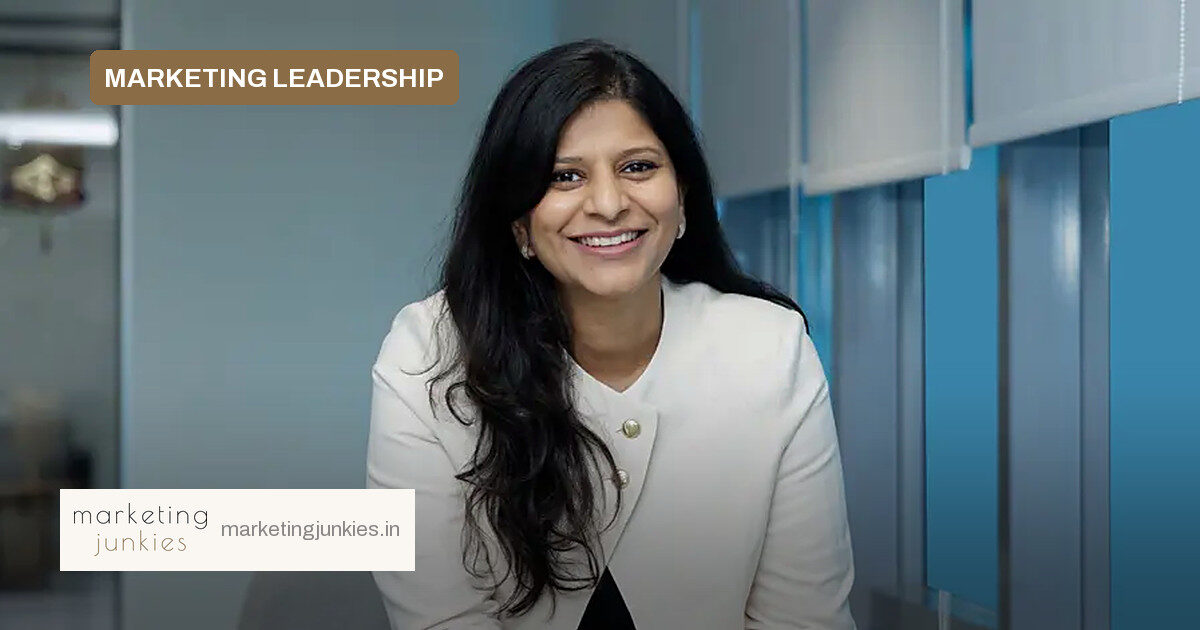
Lenovo has appointed Shilpa Marodia as Marketing Director for India and South Asia, placing one leader in charge of brand strategy across its entire portfolio.
Based in Bengaluru, Marodia will oversee marketing for Lenovo’s Intelligent Devices Group, Infrastructure Solutions Group, and Solutions and Services Group. The remit spans consumer PCs and smart devices, enterprise infrastructure, and the services and solutions business.
A single brand across a full-stack portfolio
The appointment follows Lenovo’s push to be seen as a full-stack technology company rather than a collection of product divisions. Marodia’s mandate is to build a unified, trusted brand and connect Lenovo’s technology innovation to value for consumers, businesses and communities.
“Across consumer devices, enterprise infrastructure and intelligent solutions, we have an opportunity to create a more unified and distinctive Lenovo experience for our customers and partners,” said Shailendra Katyal, Vice President and Managing Director, Lenovo India.
Marodia succeeds Chandrika Jain, who moves to the role of Global Brand Director, where she will lead global campaigns, go-to-market and brand content.
Why the leadership change matters
India and South Asia are a priority growth region for Lenovo. As Hybrid AI becomes central to its messaging, the company needs brand consistency across very different buyers: individual consumers picking a laptop, IT teams buying infrastructure, and business leaders choosing services.
- One marketing head now connects device, infrastructure and solutions narratives.
- The shift reflects how AI and services are blurring the lines between consumer and enterprise marketing.
- An internal move for Jain to a global role signals investment in brand content and campaigns.
What marketers should watch
Marodia’s background is a mix of FMCG brand-building and digital commerce. She brings more than 18 years of experience and was at Amazon India before joining Lenovo, with earlier leadership roles at Tata Consumer Products, Procter & Gamble, and Hindustan Unilever, including global brand responsibilities at Unilever. That is a useful template for marketing leaders building a portfolio brand: apply consumer-grade storytelling while still managing enterprise buying cycles.
This profile is increasingly common in technology marketing: brand leaders are expected to balance long-term equity with performance channels and e-commerce volume.
The practical work here is brand architecture. Rather than letting each business unit market itself separately, the team will need one master narrative that holds devices, infrastructure and services together without flattening their differences.
What comes next
For marketers and students, this is a leadership move worth tracking. The test will be whether Lenovo’s India and South Asia marketing becomes more consistent across product lines, and whether the full-stack story shows up in campaigns aimed at both consumers and CIOs.