
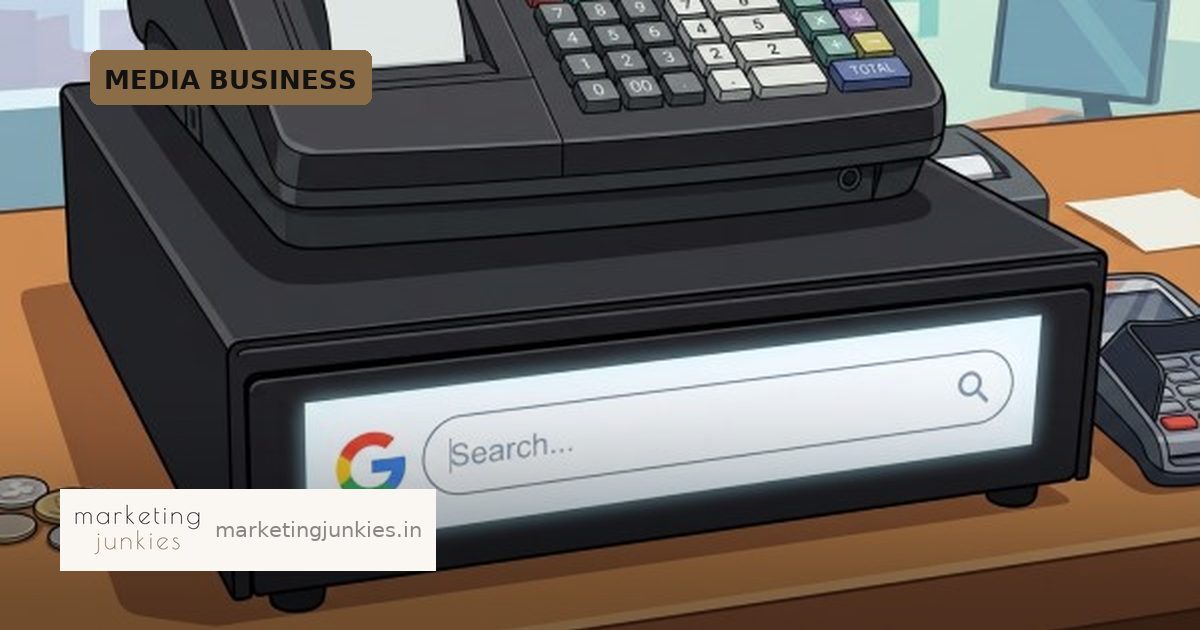
Media companies are now paying real money for something they once got free: search traffic. According to Similarweb data shared with Adweek, publishers in its Top 100 Media index spent an estimated $113 million on paid search in July 2026 — up 41% year on year and 274% over three years.
The traffic followed the money. Paid search visits to those sites hit 23.7 million in July, a 39% year-on-year rise and 148% higher than three years ago. Similarweb’s editor of news insights and research, David Carr, described a surge in pay-per-click spending that has ramped up since roughly April.
The numbers behind the shift
Individual publishers show the pattern starkly. Forbes spent an estimated $72.2 million on paid search in July alone — up 34% year on year and more than eight times its level three years ago. The New York Times more than doubled its spend to $11.3 million.
At the same time, organic search referrals slid for many of the same names, per Similarweb:
- Forbes: organic traffic down 26.7% year on year
- CNN: down 28.9%
- USA Today: down 24.1%
The Times, CNN and USA Today Inc. declined to comment. A Forbes spokesperson told Adweek the company invests in growing its audience through “both organic reach and targeted marketing”.
Why zero-click search changed the maths
The backdrop is the move to zero-click search, where AI-generated answers satisfy the query on the results page and the click never reaches the publisher. Buying traffic isn’t new — arbitrage has existed for years, and executives at a Digiday Publishing Summit last November openly said publishers needed to get good at purchasing traffic. What’s new is the scale.
Shiv Gupta, cofounder of ad tech education firm U of Digital, framed it bluntly to Adweek, saying publishers are “desperate, now more than ever”, with some of this spend amounting to damage control rather than a clean profitability calculation.
There are two traps built into the strategy. First, publishers with overlapping audiences and keyword sets end up bidding against each other, inflating the price of the very clicks they need. Second, as Gupta noted, every dollar spent on Google Search ads returns to the company whose AI search products are compressing organic referrals in the first place — they are, in his words, feeding the thing that is killing them.
A smarter read: it’s commerce, not news
Scott Messer, founder of Messer Media, offers a narrower and more useful explanation. Publishers aren’t buying back generic traffic; they’re buying the specific, high-yield traffic they lost. Spend is being aimed at commerce and product content, where a single click that converts into an affiliate sale with a brand like Nike or Maybelline can be worth around $20 — far more than a standard display impression.
The keyword data supports it. The heaviest spenders skew toward commerce terms such as high-yield savings accounts, pet insurance and GLP-1 medications rather than general news queries. Most paid keywords cost $1 to $3, but publishers will go as high as $50 for terms like “consolidate credit debt” or “pet insurance”. Messer’s verdict: this isn’t a bad thing, and if it works, publishers should back it hard.
What marketers should take from this
For brand and performance marketers, three implications matter.
Auction pressure is rising. If publishers are bidding at $50 for finance and insurance terms, advertisers in those categories are competing with media companies for the same inventory. Check whether your CPCs in high-intent verticals have crept up since April.
Affiliate and commerce partnerships get pricier. Publishers paying to acquire commerce clicks will want better rev-share terms from brands. Expect renegotiation.
Owned audience beats rented reach. The lesson publishers are learning the hard way — apps, newsletters, logged-in communities and first-party data — is the same one brands should be acting on now, before the next algorithm shift.
Source: Adweek