Every generation has a private scene it treats as public memory. For many Indians, that scene is not the launch announcement or the tariff chart—it is the first video call home after years of rationed minutes. The image is small: a parent’s face on a phone screen, a shaky handheld tour of a new city, a relative waving from a kitchen. Yet it keeps returning in reunions, captions and briefing-room observations because it is not really about the call. It is about a threshold people crossed together.
The 2016 data moment was a shared cue
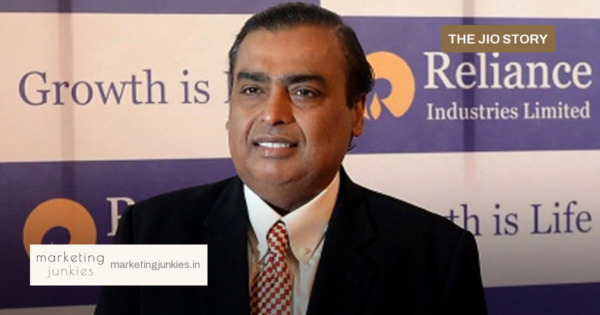
In 2016 Jio launched with the Welcome Offer: unlimited 4G data, voice, video and apps, as reported by Reliance Industries. Jio reached 100 million subscribers within 170 days of launch, company-reported in the Reliance Industries Integrated Annual Report 2016-17. Those numbers are the record; the memory is the behaviour they enabled. The question India asked moved from “How much does data cost?” to “What can we do with data?”
Shared cues work by giving millions of people the same reference point at the same time. A price drop is noticed individually. A first call home is noticed socially, because people re-enact it, describe it and compare it. It becomes a folk event rather than a plan feature.
Why ‘my first video call home’ sticks
Nostalgia is not just a backward glance. It is a sense that the present has a before and an after. The first video call home marks that before/after: before, a call was deliberate and timed; after, presence became ambient and visual. That structure makes the memory portable. People can tell it in one line—”Mummy saw my hostel room live”—without explaining the network, the price or the speeds.
- The memory is personal but the trigger is shared, so it scales.
- It has a clear before and after, which gives it a story shape.
- It attaches to a person, not to a plan, so it survives churn-era conversations.
What marketers can borrow
Brands build on shared memories when they place themselves at the threshold, not at the feature. The useful move is to find the scene customers already retell and design for that scene. The danger is treating a collective memory as a claim—”we connected India”—instead of as an invitation to recall. Consumers resist being handed a memory; they accept being reminded of one they own.
The arc at its most visible
Today, Jio serves 524 million+ customers, company-reported by Reliance Jio Infocomm as of March 2026. Its ecosystem now spans connectivity, entertainment, commerce, payments, devices, cloud and AI, as outlined at the Reliance Industries 48th AGM in August 2025. The stated priorities are to connect every Indian, bring digital services home, digitise businesses, and pursue “AI Everywhere for Everyone.” Those are not just product categories. They are new shared scenes waiting for a first time.
The next shared memory will likely be smaller, quieter and more ambient: a shopkeeper reading a pattern from a cloud dashboard, a family querying AI for a recipe, a student attending a class on a call. The brands that win the next retelling won’t announce the moment first. They will leave room for the customer to say: “I remember when I first…”