The screen was not held by one person. It sat on a plastic chair, a tiffin box or the rim of a motorbike seat, tilted so fourteen faces could watch the last over.
Down the street, a web-series finale ended on the same connection at a different window. A cousin group replayed wedding-season reels in the kitchen. None of these moments looked like a viewer in a media plan.
For marketers, this is the everyday reality beneath India’s data habit: pop culture travels on one connection, and the audience it creates is collective before it is addressable.
The Screen Becomes the Venue
A cricket night around one phone is not a fallback for missing a television. It is a social event with its own rituals: commentary, chai rounds and someone shushing the group during the review.
The web-series finale works the same way. Screens get passed, paused and replayed so latecomers catch the twist. Wedding-season reels become a group edit session, not solitary scrolling.
These habits matter because reach inside a room is cultural before it is measured. A single play becomes a memory the group retells.
Shared viewing has always existed. The difference now is that the screen itself is portable, personal and connected. A family does not have to gather around a television set; they can gather around a phone on a charger, a tablet on a kitchen counter, or a laptop balanced on a stack of books.
This changes the unit of consumption. The media plan may count one stream, but the party hears one soundtrack. The marketer who stops at the device misses the room that amplifies the message.
From Data Cost to Shared Context
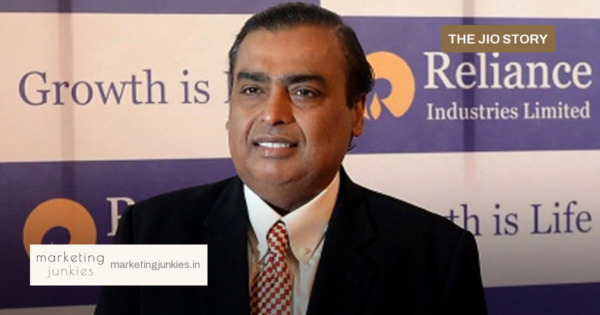
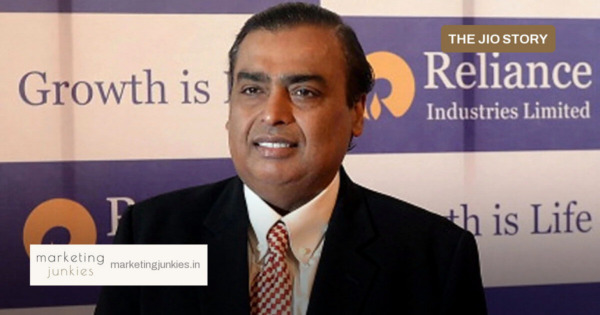
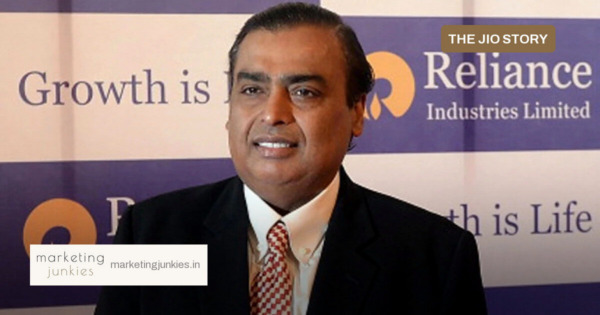
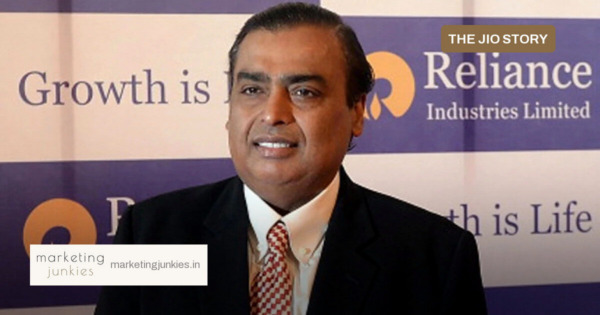
The infrastructure behind these habits has a short, documented arc. In 2016, Reliance Jio launched with the Welcome Offer of unlimited 4G data, voice, video and apps, according to Reliance Industries.
The service reached 100 million subscribers within 170 days of launch, company-reported in Reliance Industries’ Integrated Annual Report 2016-17. As of March 2026, Reliance Jio Infocomm reports the network serves 524 million+ customers.
The series’ framing question captures the shift: India’s question moved from “How much does data cost?” to “What can we do with data?” The answer now includes hosting a match for a street, finishing a show with neighbours, or turning a wedding into a weekend of reels.
What Marketers Can Read in Shared Screens
Shared-screen viewing changes what a moment means. It is not just concurrent streaming; it is the group’s editorial context.
- Design for the passer-by: captions, quick recaps and audio cues help latecomers join mid-scene.
- Treat the room as a media channel: a single screen may carry a family, a hostel floor or a street group.
- Local languages and rituals, not just prime time, decide when a campaign becomes part of an evening.
The company’s stated priorities now include connecting every Indian, bringing digital services home, digitising businesses, and “AI Everywhere for Everyone”, as outlined at Reliance Industries’ 48th AGM in August 2025. Its ecosystem, the company reports, spans connectivity, entertainment, commerce, payments, devices, cloud and AI.
For marketers, the lesson is simpler than the technology. A connection is not just a data pipe; it is a room.