
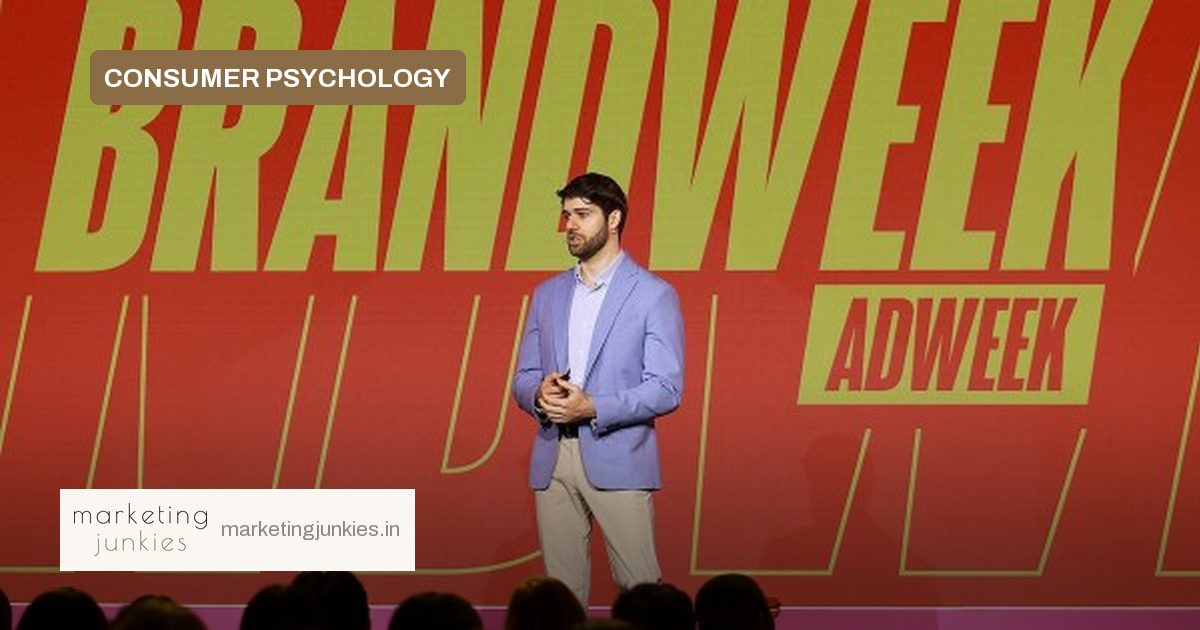
At Brandweek 2026, a session co-hosted by Viral Nation made a case that marketers are overcomplicating social media. The platforms change; the wiring behind why people connect, compare and share does not.
The session featured Viral Nation chief commercial officer Nicholas Spiro, who argued that social media amplifies a very old tension: humans are trying to maintain more connections than ever before, yet many report feeling more isolated.
What primate grooming teaches marketers
Spiro pointed to Robin Dunbar’s research on primate social behaviour. Dunbar found that primates groom each other more as group size grows, and the main purpose is social: building connection. That behaviour translates neatly to a Facebook wall full of birthday messages from people we rarely speak to, Spiro suggested.
The same researcher’s “Dunbar number” puts stable human connections at around 150. Social media has blown past that number, but the connections have changed form. They are likes, views and shares rather than personal attention.
“A hundred thousand Facebook friends can’t do for us what the touch did for the primates in the troop,” Spiro said.
This is the strategic warning for brands: reach is not the same as relationship. Spiro said personal attention is the one thing that will never scale.
Find your brand’s Dunbar 150
Instead of treating every follower as equal, brands can define the community they can meaningfully serve and engage with at a relationship level. Here is a practical way to apply the idea:
- Identify the core segment that actually sustains the brand.
- Design interactions that mimic one-to-one attention, not broadcast volume.
- Measure connection signals such as replies, repeat participation and direct messages alongside reach.
- Resist engagement bait built on comparison or resentment.
The logic applies beyond follower counts. A creator programme, a loyalty community or a private channel can be the brand equivalent of a troop: small enough to groom, large enough to sustain growth. The question is not whether the total audience is big, but whether the active core feels personally recognised.
Envy scales, but it does not build love
Spiro also warned against the easiest levers on social media: comparison and outrage. They drive impressions, but they run on resentment. As he put it during the session, “resentment has never built a brand that anyone loves.”
The alternative he offered is vulnerability. Where envy creates distance, vulnerability creates a permission structure: it signals that others can come closer. Campaigns that build community rather than just racking up impressions tend to include some form of exposed honesty, Spiro argued.
This does not mean oversharing for the sake of it. Spiro’s point is structural: vulnerability lowers the cost of participation. When a brand admits what is hard, its community can respond with advice, stories and loyalty, which are harder to fake than a viral spike.
Why this matters now
As algorithms favour high-arousal content, the pressure to manufacture outrage or comparison keeps rising. This session is a useful counterweight: it reframes social media not as a media channel to exploit, but as human instinct scaled imperfectly. Brands that understand the difference between mass reach and durable connection can build communities that respond, return and advocate.
Source: Adweek