
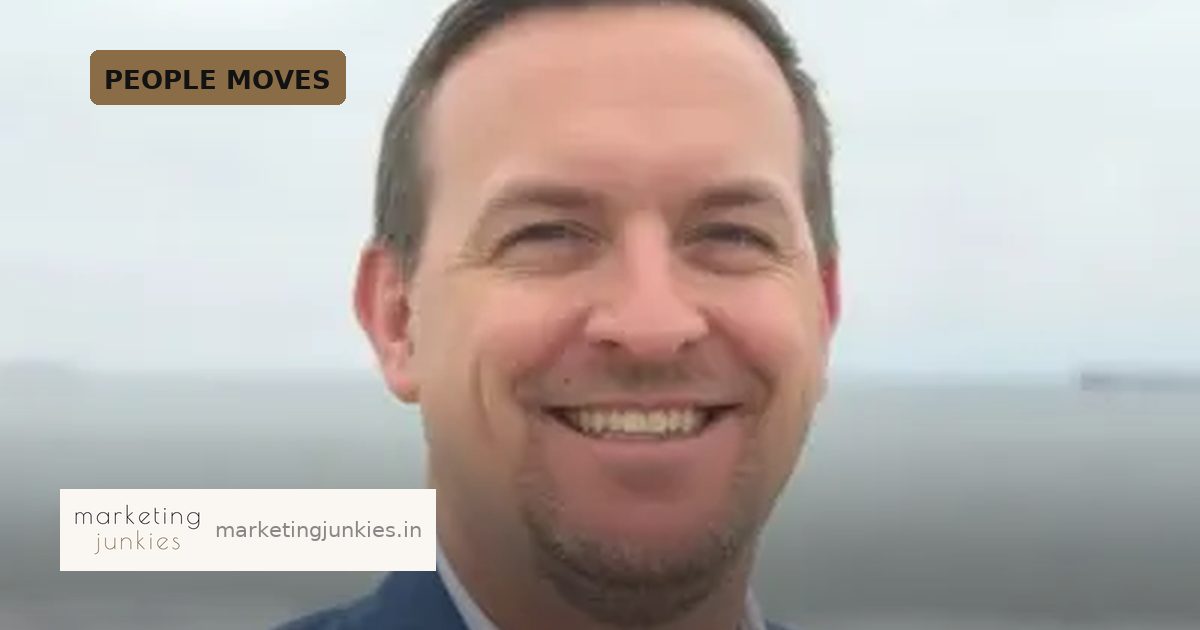
Hilton Anaheim has appointed Ryan Alsup as its Director of Marketing. In the role, he will oversee the property’s marketing, communications and e-commerce activity as the hotel works to sharpen its position in the Anaheim market following a renovation.
Who is Ryan Alsup
Alsup arrives with more than a decade of experience spanning hotel and destination marketing, meetings, communications and digital strategy — a combination that is increasingly the standard job description for hospitality marketing leads.
He joins from Wincome Hospitality, where he was most recently Corporate Assistant Director of Marketing, running marketing and communications across the group’s hotel portfolio, including planning, budgeting and strategic partnerships. Before that, he held the roles of Senior Corporate Marketing Manager and Corporate Ecommerce Manager at the same company, covering media relations, digital marketing, website content, social media, advertising, content creation, SEO and digital communications.
Earlier, Alsup spent close to five years at Visit Anaheim as Sales Manager, Meetings and Marketing Manager, Tourism. There he supported meetings business for hotel and industry partners and marketed more than 150 Anaheim and Orange County tourism partners, working on content, media opportunities, familiarisation tours and engagement with travel organisations across international markets.
His earlier career included Sales Manager, Tour and Travel at Red Lion Hotels Corporation and a sales and marketing role at Catalina Express, promoting Catalina Island and its transportation services to both consumers and travel trade.
Why this appointment is worth noticing
On the surface, this is a routine hotel hire. Look closer and it reflects a broader shift in how large properties structure marketing leadership. Alsup’s remit bundles three functions that used to sit apart — brand marketing, communications and e-commerce. For a hotel, e-commerce is not a side project; it is direct booking revenue, rate strategy visibility, metasearch performance and web conversion.
The destination-marketing background matters too. Someone who has previously marketed a city and its partner ecosystem understands demand at the destination level, not just at the property level. For a hotel of Hilton Anaheim’s scale, sitting in a market driven by conventions, theme-park tourism and group business, that dual view is a genuine advantage.
The post-renovation moment
Repositioning after a renovation is one of the harder marketing briefs in hospitality. The physical product changes overnight; perception does not. Search results, review snippets, old photography and third-party listings often lag by months.
Marketers handling a similar relaunch typically work through a familiar checklist:
- Refresh the asset library first — new photography and video before any paid push, since outdated visuals undercut premium pricing.
- Fix the distribution layer — brand site, OTA listings, metasearch and map profiles all need synchronised copy and imagery.
- Re-brief the trade — meeting planners, DMCs and travel agents need to be told what changed, not left to discover it.
- Sequence group and transient demand — group and events business books far ahead; leisure demand responds to shorter-cycle campaigns.
- Measure direct share — the clearest proof that a repositioning campaign is working is a rising share of direct bookings, not just impressions.
The takeaway for marketers
Hospitality marketing roles are quietly consolidating around one profile: a leader who can hold brand narrative and revenue-facing digital performance in the same conversation. If you are building a career in travel, tourism or hotel marketing — including in India’s fast-expanding hotel pipeline — the pattern in Alsup’s CV is instructive. Destination marketing, trade sales, e-commerce and communications experience stack into a leadership brief that pure-play brand marketers often cannot fill.
Source: Safari India