Stayfree has launched a new Daughter’s Day digital film under its #BetaStayfreeLeAana platform, and this time the message is aimed squarely at boys. Conceptualised by Team WPP, the film makes the case that period conversations at home and among peers can be reshaped when sons, not just daughters, are brought into the discussion.
The campaign builds on a simple insight: “When more sons get comfortable with periods, more daughters will feel comfortable too.” For a category that has long been marketed as a women-only conversation, that framing is a deliberate break.
A gully cricket game becomes a lesson in normalising periods
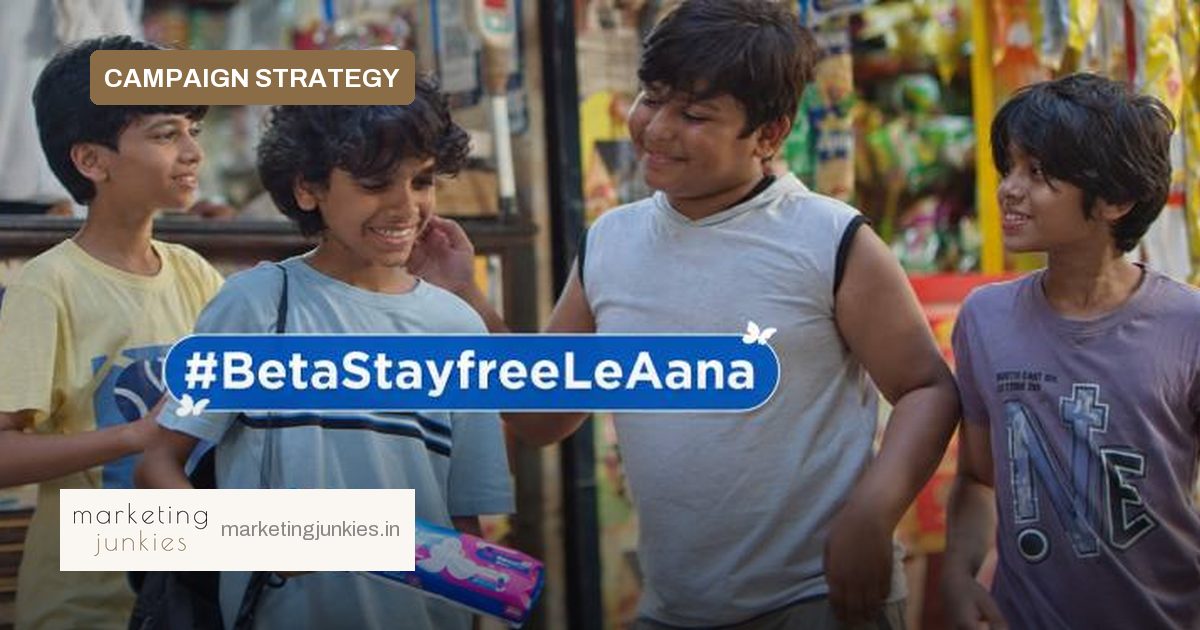
The film opens in a familiar Indian neighbourhood, where a mother interrupts Rohan’s gully cricket match and asks him to buy a pack of Stayfree. Rohan’s friends respond with the hesitation and awkwardness many boys learn early, but Rohan treats the errand as routine because his household has never made periods a secret.
As the story continues, the friends ask about common myths and taboos. Rohan answers factually, and the film’s quiet turning point arrives when the entire group walks to a shopkeeper and confidently asks for a pack of Stayfree. The peer group shifts from discomfort to solidarity without a lecture.
From awareness to a repeatable action
Stayfree’s larger platform, “It’s Just a Period,” has worked for more than six years to make menstrual conversation ordinary. It began by encouraging fathers to talk with daughters, later widened to parents raising sons, and now #BetaStayfreeLeAana translates the message into a simple household task: sending sons on routine grocery trips to buy sanitary napkins confidently.
That evolution is the campaign’s strategic core. Instead of stopping at an awareness message, the brand gives families a repeatable behaviour that makes the abstract idea feel normal.
- Make the user’s ally the hero, not just the user.
- Give families a small repeated action rather than a one-time slogan.
- Use peer influence as the creative engine, because comfort and shame both spread in groups.
What marketers can take from the approach
For marketing teams, Stayfree’s move is a useful template for behaviour-change campaigns. It identifies an influential bystander — sons and male peers — and gives them a concrete role, widening the conversation without making the film feel preachy. The ordinary setting of a cricket game and a neighbourhood shop keeps the change feel attainable.
Supriya Srinivasa, Marketing Director, Stayfree, frames the task as creating a world where periods are not embarrassing. “Creating that world requires not only supporting girls but also helping boys understand that periods are completely natural and not a taboo,” she says.
Sukesh Nayak, Team WPP, points to peer influence as the mechanism: if boys can learn period shame from each other, they can also learn empathy from each other. The film’s digital rollout is national across YouTube, Meta platforms including Instagram and Facebook, and major OTT platforms, matching the way short social narratives reach younger viewers and parents.
The broader lesson is simple: a purpose-led campaign can stay fresh for years if each new film changes the messenger instead of simply restating the message. Stayfree has moved from fathers to parents to sons, and in doing so keeps the same platform from going stale.
Source: MediaNews4U