
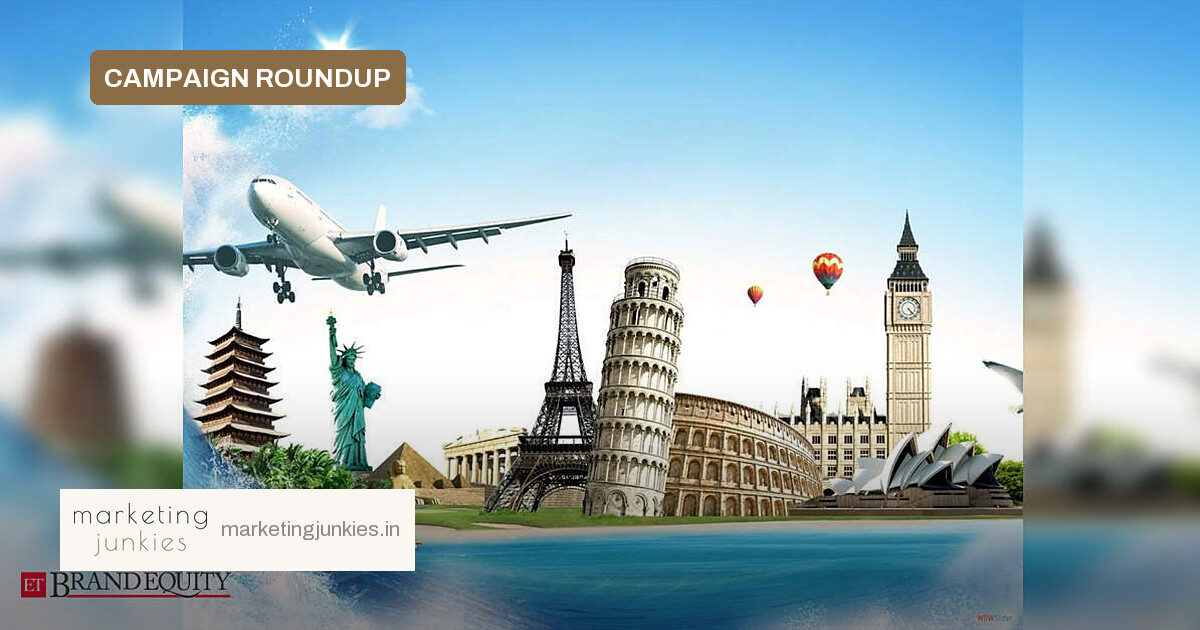
World Tourism Day 2026 brought a clear creative shift: brands downplayed the usual sweeping travel shots and made their products the reason the ad existed. The standouts in ETBrandEquity’s round-up treated the occasion as a brand moment, not just a calendar date.
The campaigns that cut through
Here is how a cross-section of brands used the day:
- Goldmedal borrowed the Dilwale Dulhania Le Jayenge train scene, but instead of the romantic run it became a handoff of a travel adaptor, putting product utility first.
- Air India celebrated Incredible India across regions and cultures, asking viewers where they would even begin.
- OPPO India used its smartphone’s camera and editing features to capture India’s landscapes, making the device part of travel memory.
- Maggi moved from scenic travel to a bowl of Maggi at home, leaning on nostalgia and homecoming.
- ixigo used keyboard keys to speak to desk workers and make the case for a break.
- Digitek shifted from sightseeing to storytelling with its Musafir concept.
- RedBus gamified the day by linking birth months to travel personalities.
- MG Motor turned a car profile into a travel bag, while Yokohama used passport-style stamps.
What made them work
The campaigns split into three useful patterns. Some anchored a functional product in a memorable scene, as Goldmedal did. Others sold an emotional payoff: Maggi made the destination feel like home, while Air India and Digitek made travel about culture and stories rather than landmarks. A third group used interaction, with RedBus giving followers a personality hook to comment on.
MG Motor’s campaign line captures the balance well:
“You bring the wander, we bring the wheels”
The emotional job belongs to the traveller; the functional job belongs to the brand. That clear split makes the message easy to remember and easy to attribute.
What marketers can reuse
Occasion marketing is crowded. The campaigns that stood out answered a simple question before posting: why should this brand appear on World Tourism Day? The answer cannot be “because everyone else is posting.” It has to be a product benefit, a memory, or an interaction only the brand can own.
For marketing teams, the practical checklist is short: find a familiar cultural reference, tie it to a specific product use, and give the audience a reason to respond. If the creative could run with any other logo on it, it probably is not distinctive enough.
Bottom line
World Tourism Day 2026 rewarded brands that made the product the hero. Scenery and wanderlust were the backdrop, not the message. That is a useful discipline for any calendar moment: show up with a brand reason, not a borrowed occasion.
Source: ETBrandEquity.com