
Some ads get remembered for a clever line. Others become shorthand for a strategy. The Guardian’s “Three Little Pigs” did both: it turned a children’s story into the clearest expression of what the newspaper meant by open journalism.
The campaign
The Guardian worked with BBH London on “Three Little Pigs”, which ran in 2012 as part of its push for open journalism. The brand wanted readers to see not just what the newspaper covers, but how the reporting happens: with readers, sources, commentators and journalists all shaping the story. The film’s closing line was “The whole picture.”
What the film said and how
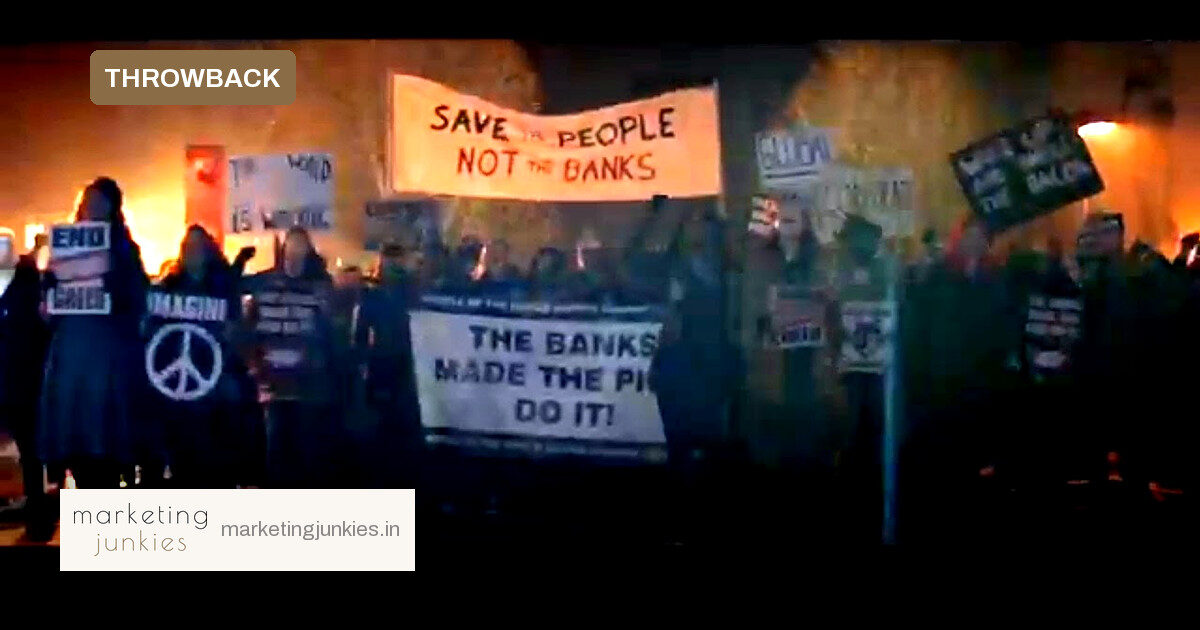
The film takes a familiar children’s story and treats it as a modern news event. The pigs become suspects; the wolf becomes the subject of public debate; and each fresh update changes how the story is understood. The Guardian is shown as the place where this full, messy, unfinished conversation lives.
That was the strategic move: the campaign did not claim that The Guardian simply has better articles. It dramatised the process of news. It used commentary, live updates, social media reaction and contrasting perspectives to make open journalism visible. The idea is less about a happy ending than about how many viewpoints fit into one story.
- Open journalism as a live, multi-source conversation
- Legacy media as a platform, not just a page
- The brand promise reduced to one line: “The whole picture”
The response it got
The advertising industry responded with its highest honours. The film took the Film Grand Prix at Cannes Lions in 2012 and became one of the most discussed pieces of brand communication that year. It was praised for avoiding newspaper clichés and for giving a 191-year-old media institution a sharp digital-age identity. At a time when print circulations were under pressure, the film reframed the paper as a modern information platform rather than a legacy product.
What it changed in the category
Before “Three Little Pigs”, news-brand advertising often leaned on front pages, breaking stories or claims of trust. This film shifted the focus to a way of working. It gave The Guardian a clear editorial brand platform and helped make “open journalism” part of the industry’s vocabulary.
It also changed expectations for what a brand film could do. The campaign became a case study in turning an abstract institutional value into an accessible story. Many publishers followed by marketing their reader relationships, their transparency or their community, rather than simply their content.
Where the brand and the idea are now
The Guardian still operates on the same underlying belief: readers are part of the story, not just the audience. Its commercial model has moved toward reader revenue, with digital subscriptions and voluntary contributions funding much of its journalism. The “whole picture” phrasing has receded from front-line marketing, but the promise of open, reader-supported reporting remains.
The film itself is still taught and referenced as an example of making a complex idea emotionally immediate. More than a decade later, the fairy tale remains a useful reminder: if you can turn your organisation’s philosophy into a story people already know, they are far more likely to understand the difference you sell.
Watch the original: The Guardian on YouTube